
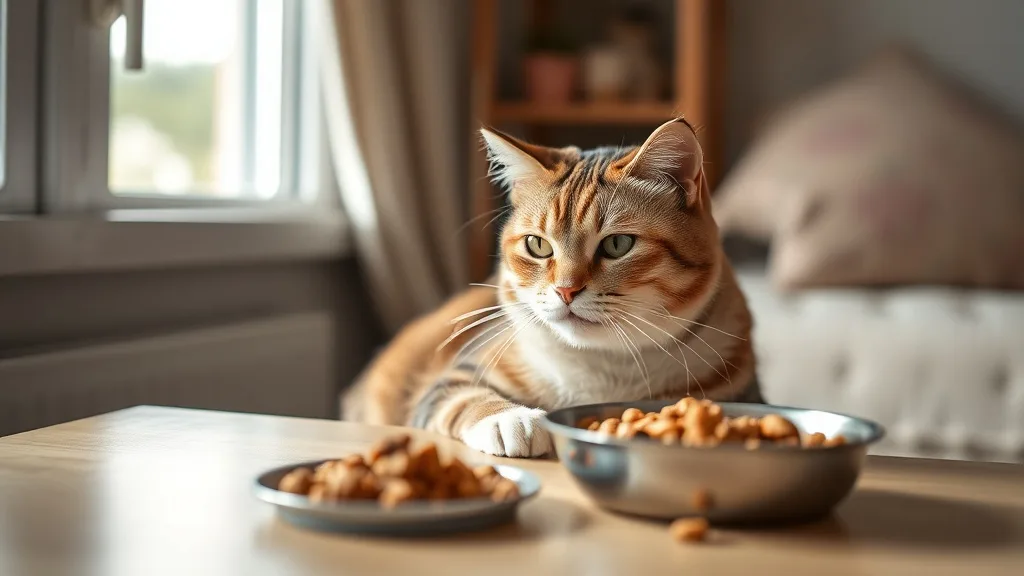
Wet Food for Senior Cats Who Stopped Eating Kibble
If your senior cat has suddenly stopped eating kibble, you’re likely worried about their nutrition and weight loss. This is a common concern as cats age, and switching to wet food can often help stimulate appetite and provide hydration. Understanding why this happens, how wet food supports your senior cat, and how to make the transition successfully can make all the difference in maintaining their health and happiness.
See also: Thyroid Disorders in Silvertail Cats: Diagnosis and Treatment Strategies
What Happens When Senior Cats Stop Eating Kibble?
Senior cats (10+ years) sometimes refuse dry food for several reasons:
- Dental issues: Tooth decay, gingivitis, or missing teeth can make hard kibble painful to eat.
- Reduced thirst and dehydration: Older cats often drink less water, and kibble’s dryness doesn’t help.
- Decreased sense of smell and taste: This lessens appetite and preference for dry food textures.
- Underlying medical problems: Kidney disease, arthritis, and digestive issues can impact eating habits.
- Stress or environmental changes: Anxiety may cause refusal of familiar foods.
When cats stop eating kibble, nutritional imbalances and dehydration can quickly develop. Switching to wet food becomes an essential strategy to ensure calories, hydration, and nutrients are adequately delivered.
How Wet Food Supports Senior Cats
Wet food has several advantages tailored to the needs of aging cats:
- Higher moisture content (often 70-80%) helps prevent dehydration, supporting kidney health and urinary tract function.
- Softer texture is easier to chew for cats with dental problems.
- Stronger aroma and flavor can stimulate appetite in cats with diminished senses.
- Balanced renal-friendly formulations designed for older cats with compromised kidney function.
- Easier digestion for cats with sensitive stomachs or compromised gut function.
Be sure to review the ingredient list and nutritional content of wet foods, focusing on high-quality protein sources and avoiding excessive phosphorus, which can strain kidneys.
When to Use Wet Food for Senior Cats
Switching to wet food is particularly recommended when:
- Your cat refuses to eat kibble consistently.
- Your cat has significant dental problems or oral pain.
- You notice signs of dehydration such as dry mouth, sunken eyes, or lethargy.
- Your vet diagnoses or suspects chronic kidney disease (CKD) or other illnesses that benefit from high moisture and renal-friendly nutrition.
- You’re aiming to increase your cat’s overall calorie intake to prevent weight loss.
Wet food can also be fed exclusively or combined with small amounts of kibble to suit your cat’s preferences.
How to Transition Your Senior Cat to Wet Food: 5 Practical Steps
-
Consult your veterinarian first
Rule out treatable medical issues and get specific dietary recommendations. -
Choose the right wet food formula
Look for senior or renal-specific wet foods with moderate protein, controlled phosphorus, and high moisture. Avoid foods with fillers and excessive carbohydrates. -
Introduce wet food gradually
Mix increasing ratios of wet food with kibble over 7-10 days to reduce digestive upset and encourage acceptance. -
Warm the food slightly
Heating to body temperature enhances aroma and palatability but avoid microwaving unevenly. -
Ensure easy accessibility
Place food bowls in calm, low-traffic areas and consider shallow dishes to accommodate oral sensitivity or arthritis.
Key Considerations for Wet Food in Senior Cats
- Storage: Wet food spoils quickly once opened. Refrigerate leftovers and discard after 24 hours.
- Portion control: Monitor calories to avoid excessive weight gain, especially with less active indoor cats.
- Hydration: Even with wet food, always provide fresh water nearby.
- Feeding frequency: Divide daily allowance into 2-3 small meals to encourage eating and digestion.
- Texture Preferences: Some cats prefer pâté, others chunks in gravy; trial different textures to find what your cat enjoys.
Comparison of Wet Food Types for Senior Cats
| Feature | Pâté-style Wet Food | Chunks in Gravy | Flaked/Loaf-style Wet Food |
|---|---|---|---|
| Texture | Smooth, uniform | Soft but with discernible chunks | Firmer pieces in a soft loaf |
| Appeal for dental issues | Easiest to eat for sore mouths | May require more chewing | May be too firm for sensitive teeth |
| Hydration level | High moisture | High moisture | Slightly lower moisture |
| Palatability | Mild aroma | Strong aroma | Moderate aroma |
| Calorie density | Typically lower | Varies | Typically moderate to high |
| Best for | Cats with severe dental problems | Cats needing flavor stimulation | Cats that prefer meat-like texture |
Common Pitfalls to Avoid When Switching to Wet Food
- Sudden switch without transition: Leads to digestive upset or food refusal.
- Ignoring vet advice on renal-friendly diets: Not all wet foods are appropriate for kidney-compromised cats.
- Feeding only wet food without monitoring: Long-term exclusive wet food feeding might require supplements or adjustments; always track weight and health.
- Using wet food as treats only: Doesn’t fulfill entire nutritional requirements.
- Not adjusting feeding environment: Stress can reduce food intake regardless of food type.
Frequently Asked Questions
Q: Can wet food prevent kidney disease in senior cats?
A: Wet food helps maintain hydration, which supports kidney health, but it cannot prevent kidney disease outright. Early diagnosis and vet-guided diets are essential.
Q: How do I know if my cat prefers wet food or just isn’t eating because of illness?
A: Lack of appetite lasting more than 24-48 hours should prompt veterinary evaluation. Trial wet food to assess preference but consult your vet to rule out serious problems.
Q: Is wet food more expensive than kibble?
A: Generally, wet food costs more per serving, but the health benefits and better acceptance by picky or sick senior cats often justify the expense.
Switching your senior cat from kibble to wet food can be a practical, effective way to help them maintain nutrition, hydration, and quality of life in their golden years. Prioritize gentle transitions, appropriate formulations, and supportive care to keep your feline friend thriving well into old age.
Our picks worth a closer look
- Delectables Lickable Treat Gravy Senior 10+ Variety Wet Cat Treat & Food Topper,Check on Amazon → — see current price and specs.
- Jinx Premium Senior Dog Food Dry - Real Chicken, Brown Rice & Sweet Potato KibblCheck on Amazon → — see current price and specs.
- Royal Canin Aging 12+ Dry Cat Food 7 lbCheck on Amazon → — see current price and specs.
- Pawvotum Glucosamine for Cats, Pet vitamins and supplements with Chondroitin, MSCheck on Amazon → — see current price and specs.
- 2Pack Hemp Oil for Dogs & Cats, Anxiety & Stress Relief Drops with Omega 3-6-9,HCheck on Amazon → — see current price and specs.