

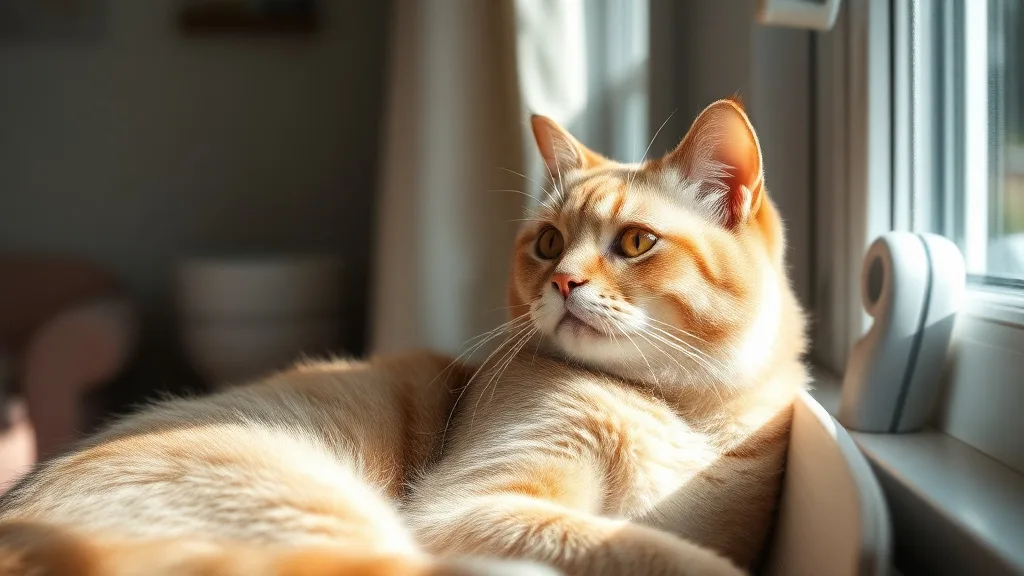
Room Temperature for Older Cats and the Thermostat Math
If you have a senior cat (10 years or older), you already know they seem extra sensitive to changes in their environment — especially temperature. Finding the right room temperature isn’t just a matter of comfort; it’s a key element in supporting their joint health, energy levels, and overall well-being. But what exactly is the ideal temperature for older cats, and how can you adjust your home thermostat intelligently without wasting energy or causing discomfort? This article breaks down the science and practical steps behind the thermostat math to keep your aging feline friend cozy all year round.
See also: 12. Best senior dry food for small breeds after three years of testing
What is the Ideal Room Temperature for Older Cats?
While healthy adult cats typically prefer ambient temperatures around 70-80°F (21-27°C), older cats tend to need warmer surroundings. Aging cats often have reduced ability to regulate their body temperature due to less muscle mass, thinner fur, or health issues such as arthritis or kidney disease. Cold environments can exacerbate joint stiffness and increase stress.
Recommended Temperature Ranges
| Age Group | Room Temperature Range (°F) | Room Temperature Range (°C) | Notes |
|---|---|---|---|
| Adult Cats (1-9) | 70-80 | 21-27 | Comfortable for most healthy adult cats |
| Senior Cats (10+) | 75-85 | 24-29 | Warmer to reduce joint stiffness & chill |
| Very Senior/Ill | 78-88 | 26-31 | Extra warmth needed for frail or sick cats |
Generally, keeping the temperature between 75 and 85°F (24-29°C) provides an ideal balance of comfort and health support for most senior cats. Some very frail or kidney-compromised cats might benefit from slightly warmer spots — 80-85°F — especially in winter.
How Does Temperature Affect Older Cats?
Joint Mobility and Comfort
Older cats often struggle with arthritis and muscle stiffness, which get worse when they’re cold. Warmer environments help relax muscles and lubricate joints naturally. Conversely, cold temperatures can increase inflammation and pain.
Kidney Function and General Metabolism
Cats with chronic kidney disease (CKD), common in seniors, are more vulnerable to cold since impaired kidneys reduce their ability to maintain internal body heat and fluid balance. Maintaining a warmer space helps reduce metabolic stress.
Stress and Behavioral Changes
Too cold or fluctuating room temperatures can cause anxiety or restlessness in older cats. Consistent warmth encourages calm, restful sleep — essential for aging immune systems.
The Thermostat Math: Balancing Warmth and Energy Efficiency
You don’t need to heat your entire home to tropical levels to keep your cat comfortable. Instead, use targeted adjustments and simple calculations to optimize your thermostat settings.
Step 1: Identify Your Home’s Baseline Temperature
Most homes maintain between 65°F and 72°F (18-22°C) in winter to balance human comfort and energy use. For senior cats, this is often too cool.
Step 2: Calculate the Temperature Increase for Your Senior Cat’s Space
If your baseline thermostat is 68°F (20°C), adding a 7-10°F (4-6°C) increase in your cat’s preferred resting area often suffices.
Example:
68°F + 8°F = 76°F (20°C + 4.4°C = 24.4°C)
This temperature hits the lower end of the recommended range for seniors without overheating.
Step 3: Use Localized Heating Rather Than Whole-House Adjustment
Heating an entire home to 78-85°F wastes energy and can make you uncomfortable. Use:
- Heated cat beds or pads placed in draft-free corners
- Insulated cat igloos or blankets
- Space heaters or ceramic heating lamps (with safety precautions)
This approach allows your human living areas to stay cooler while your senior cat enjoys warmth.
Step 4: Monitor and Adjust
Older cats’ needs change with health and season. Use a simple room thermometer to measure and adjust accordingly — make small shifts (about 1-2°F) and observe changes in your cat’s behavior.
Comparing Heating Options for Senior Cats
| Heating Option | Pros | Cons | Best For |
|---|---|---|---|
| Heated Pad/Mat | Energy-efficient, safe, direct warmth | Must monitor for electrical safety | Indoor cats who stay in one spot |
| Heated Cat Bed/Igloo | Combines insulation and warmth | More expensive, occasional cleaning needed | Cats who like cozy, enclosed spaces |
| Space Heater | Heats room, adjustable temperature | Higher energy use, safety risks if unsupervised | Multi-cat households or human-used rooms |
| Radiant Heat Lamp | Focused warmth, mimics sun | Risk of burns without supervision | Short-term warmth for sick or cold cats |
| Room Thermostat | Whole-house control, automated | Inefficient to heat whole home to cat temps | For homes dedicated to senior cat comfort |
By mixing these methods — for example, setting your room thermostat at 70°F and adding a heated bed at your cat’s resting spot — you provide reliable warmth without unnecessary energy costs.
When Should You Raise the Room Temperature for Your Senior Cat?
- If your cat shows signs of cold discomfort: curling tightly, shivering, reluctance to move.
- During colder months or in drafty rooms.
- If your cat has arthritis or other joint conditions: warmth can ease stiffness.
- When your cat is ill or recovering from surgery: warmth supports healing.
- If your cat is underweight or has lost muscle mass: a higher ambient temperature helps maintain body heat.
Common Pitfalls to Avoid
- Overheating: Temperatures above 90°F (32°C) can cause dehydration or heat stress.
- Drafts and sudden temperature changes: Keep your cat’s resting area away from windows and doors.
- Unsafe heating devices: Avoid open flames or old electric heaters without automatic shutoff.
- Ignoring behavioral signs: If your cat hides constantly or avoids warmth, they may be uncomfortable or unwell.
Tips for Maximizing Senior Cat Comfort Beyond Temperature
- Use soft bedding and blankets to insulate against cold floors.
- Ensure litter boxes and food/water stations are accessible near warm areas.
- Maintain hydration, which helps kidney function and body temperature.
- Schedule low-stress vet visits to monitor health factors that impact temperature sensitivity.
- Provide gentle joint supplements as advised by your vet to complement warmth.
Frequently Asked Questions
Q: Can a space heater in the room confuse my cat or stress them?
A: Some cats may be wary of new devices, but most adjust if the heater is quiet and placed safely out of reach. Observe your cat’s reactions and offer alternative heated spots if needed.
Q: Should I keep my entire home warm for my senior cat?
A: It’s more energy-efficient and comfortable for your family to heat just your cat’s resting areas with heated beds or pads rather than the whole house.
Q: How quickly should I adjust the room temperature when changing seasons?
A: Gradual changes in 1-2°F increments over several days help your cat adapt without stress or shock.
Providing the right room temperature for your older cat is a practical, compassionate way to support their health and happiness. By understanding their specific warmth needs and applying simple thermostat math, you can create a cozy sanctuary that honors the wisdom and dignity of your senior companion.