
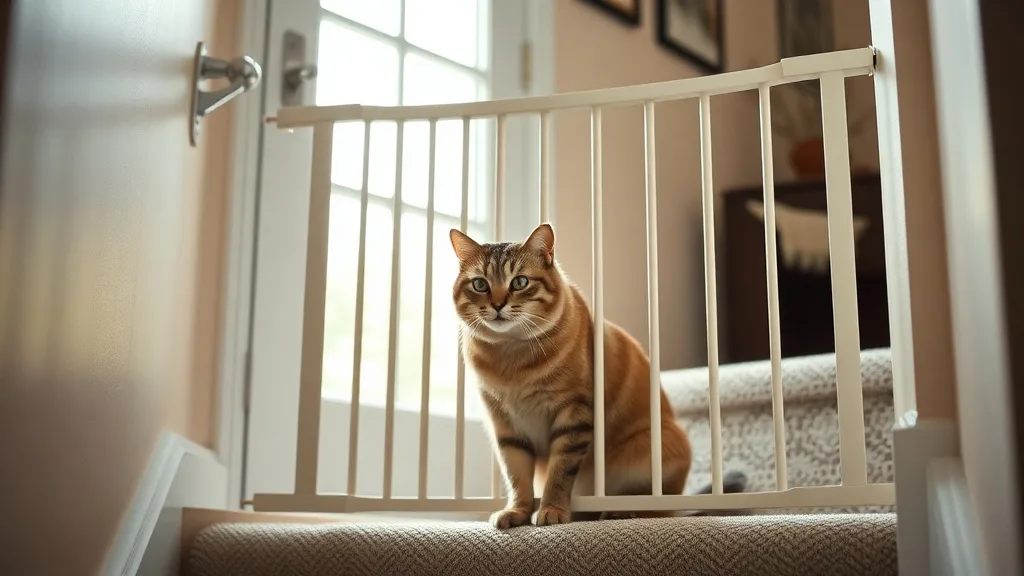
Stair Gates for Dogs Who Should Not Be Using Stairs Anymore
If you own an older dog experiencing mobility issues, arthritis, or recovering from surgery, stairs can quickly become a dangerous obstacle. Allowing your dog to climb or descend stairs may lead to falls, slips, or worsening joint pain. This is where stair gates come in—they provide a simple, effective barrier to keep your furry friend safe and limit access to stairs without resorting to confinement or discomfort. Understanding how to choose and use stair gates correctly can improve your dog’s quality of life, reduce your worry, and maintain household harmony.
See also: 9. Turmeric (curcumin) for dogs: the real evidence
What Are Stair Gates for Dogs?
Stair gates are barriers installed at the bottom or top of staircases to block pets from accessing steps that are unsafe or difficult for them. Unlike baby gates which are designed for toddlers, dog stair gates are often reinforced and tailored for canine behavior and physical needs. They can be pressure-mounted or hardware-mounted, made from various materials, and styled to integrate with your home decor while fulfilling their safety function.
How Do Stair Gates for Dogs Work?
The fundamental function of a stair gate is to create a secure, physical barrier that a dog cannot open or bypass. Most gates have a locking mechanism that requires a human to open, thereby preventing accidental escapes or slips by dogs. Some gates have a walk-through door or a swing-open feature for human convenience. At the same time, sturdy construction ensures the gate withstands a dog’s attempts to jump over, push through, or chew.
When to Use Stair Gates for Older Dogs
- Mobility Decline: Dogs with joint arthritis, hip dysplasia, or general age-related stiffness should avoid stairs to prevent strain and falls.
- Post-Surgery or Injury: After orthopedic surgery or an injury affecting the legs or spine, vets often recommend restricting stair use.
- Neurological Conditions: Dogs with balance or coordination problems should be kept away from stairs.
- Behavioral Concerns: If your dog is prone to rushing up or down stairs recklessly, a gate provides peace of mind.
- Home Safety: Senior pets may tire quickly or become disoriented, making stair gates a preventive safety measure.
Choosing the Right Stair Gate for Your Senior Dog
When selecting a stair gate, take into account your dog’s size, behavior, your home’s layout, and installation preferences. Below is a comparison table summarizing four common types of stair gates for older dogs, highlighting features, ideal use cases, and pros and cons to help guide your decision.
| Type of Stair Gate | Installation | Best For | Pros | Cons |
|---|---|---|---|---|
| Pressure-Mounted | No drilling needed, uses adjustable tension rods to stay in place | Temporary setups, renters, or very short-term use | Easy to install and remove, no wall damage | Can become loose, less sturdy for strong dogs |
| Hardware-Mounted | Screwed into wall or banister | Permanent solution, homes with heavy or strong dogs | Very secure, withstands strong pushes and jumps | Requires tools and some DIY skills, permanent installation |
| Walk-Through Gates | Pressure or hardware mounted | Owners who frequently pass through without extra handling | Convenient access without climbing over | May have complex locking systems that confuse some users |
| Freestanding Gates | Portable, no installation | Multi-room use, temporary barriers | No wall damage, can be relocated easily | Less stable, can be pushed over or moved by determined dogs |
Key Factors to Consider
- Height of the Gate: Ensure the gate is tall enough your dog cannot jump over it. For most senior dogs, 28–36 inches is a typical range.
- Material and Durability: Metal or hardwood gates are usually better for strong or large dogs prone to chewing or pushing.
- Opening Mechanism: Look for gates with secure, dog-proof latches that you can operate one-handed.
- Safety Features: Rounded edges, no sharp protrusions, and a solid bottom panel prevent injury or slipping.
- Space and Stair Type: Narrow staircases or bannisters with irregular wall shapes may require custom solutions or adaptable gates.
Installing and Using Stair Gates Safely
Step 1: Measure Your Staircase Accurately
Use a tape measure to get the width of the stair entry or landing where the gate will be placed. Measure from wall to wall or bannister to wall.
Step 2: Decide Gate Type Based on Installation
Choose pressure-mounted gates for non-permanent setups and hardware-mounted for durability. Remember, pressure gates are not recommended for the top of stairs as failing could cause serious injury.
Step 3: Install According to Instructions
Follow manufacturer guidelines carefully. For hardware-mounted gates, use a drill and appropriate mounting hardware. For pressure gates, ensure even pressure on both sides and check stability.
Step 4: Teach Your Dog to Accept the Gate
Gently encourage your dog away from the stairs and into other safe areas. Use treats and positive reinforcement to make the gate a familiar, non-threatening barrier.
Step 5: Monitor and Adjust
Regularly check the gate for looseness or damage. Adjust pressure mounts as needed and lubricate locking mechanisms to keep functionality smooth.
Common Pitfalls and How to Avoid Them
- Installing Pressure-Mounted Gates at the Top of Stairs: This is risky because pressure connections can fail under downward force. Always opt for hardware-mounted gates at stair tops.
- Choosing a Gate Too Short: Can encourage dogs to attempt jumps or escapes, risking injury.
- Overlooking Gate Strength: Weak or flimsy gates will not protect large or determined dogs.
- Not Considering Human Access: Gates without easy opening mechanisms may discourage use or cause accidents when owners struggle to open or close them.
- Ignoring Training: Simply installing a gate is not enough; your dog needs to understand boundaries through gentle training and redirection.
Conclusion
Stair gates dedicated to dogs with mobility or health issues can drastically reduce risk and improve overall home safety. Choose the right gate type based on your dog’s size, strength, and your home’s layout, paying special attention to installation methods and materials. Remember, stair gates are part of a broader care routine that includes supporting your senior dog’s joint mobility, renal health, and comfort. Using stair gates effectively can extend your pet’s quality of life by preventing accidents and limiting strain on vulnerable joints.
Frequently Asked Questions
Q: Can any baby gate be used for stair safety with senior dogs?
A: Not always. Baby gates might not be strong or tall enough for dogs and often lack dog-proof locking. It’s safer to use a gate designed or rated for pet use.
Q: Are pressure-mounted gates safe for the top of stairs?
A: No. Pressure-mounted gates can fail if a dog pushes downward, causing falls. Use hardware-mounted gates for the top of staircases.
Q: How do I help my dog adjust to the stair gate?
A: Use positive reinforcement by rewarding your dog for staying back from the gate. Create alternate comfortable resting spaces and avoid forcing your dog near the stairs abruptly. Consistency helps.
Our picks worth a closer look
- Dog Ramp for Stairs - Dog Steps-Anti-Slip Foam Stair Wedges for Small & Senior DCheck on Amazon → — see current price and specs.
- 2-Pack Dog Ramp Stairs for Pets ups to 170lbs, Durable Anti-Slip Carpet Surface,Check on Amazon → — see current price and specs.
- 71”x 20” Dog ramp for Car, Dog Ramps for Large Dogs, Folding Outdoor Dog RampsCheck on Amazon → — see current price and specs.
- Dog Ramp for Stairs – Non-Slip Pet Ramp for Small, Short-Legged & Senior Dogs – Check on Amazon → — see current price and specs.
- 2Pack Hemp Oil for Dogs & Cats, Anxiety & Stress Relief Drops with Omega 3-6-9,HCheck on Amazon → — see current price and specs.