
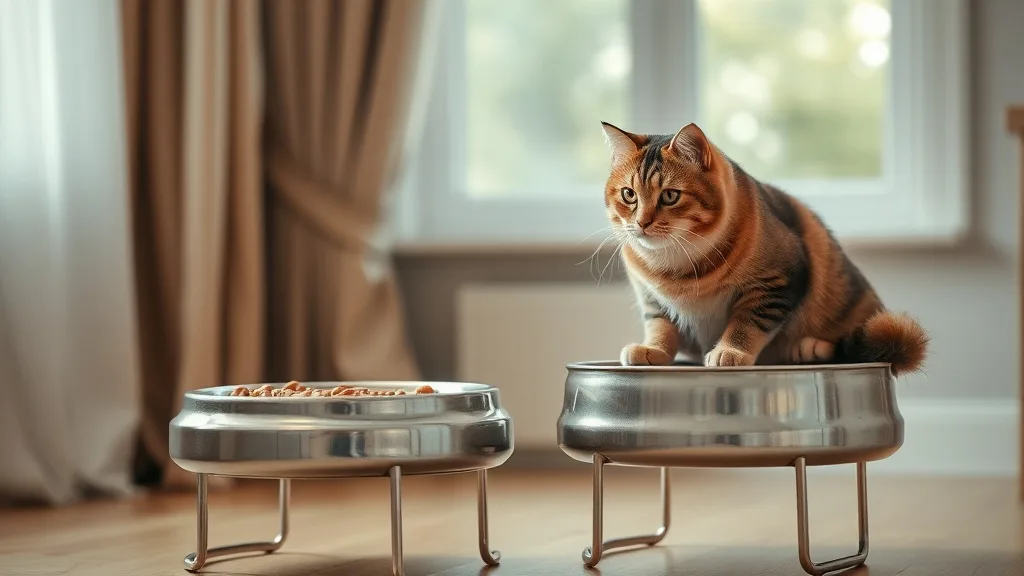
Elevated food bowls for big dogs: helpful or dangerous?
If you’re a dog owner with a large or giant breed, you’ve likely encountered advice promoting elevated food bowls as a solution to improve your dog’s eating posture, aid digestion, or reduce mess. But is raising your dog’s food and water bowls really the best choice? While it sounds sensible to reduce neck strain and bending, this common wisdom is not quite so clear-cut—especially for big or older dogs who may have unique health risks. This article walks you through what elevated food bowls actually do, how they impact your dog’s health, when they might (or might not) be smart to use, and key precautions.
What Are Elevated Food Bowls?
Elevated food bowls are pet dishes raised above the floor on stands or holders, usually adjustable in height. They can be simple platforms that hold bowls or integrated feeder stands. For large dogs, these stands can lift the bowls several inches or even feet off the ground depending on dog height.
The idea is to bring the food and water closer to the dog’s natural standing or sitting height to:
- Reduce neck bending or strain
- Prevent messes on the floor
- Improve digestion by aiding posture
Such elevated feeders are widely marketed for both health and convenience reasons.
See also: 14. Protein levels in senior dog food and the myth about kidney strain
How Elevated Food Bowls Work for Big Dogs
For smaller dogs or certain breeds, reducing the need to stoop may seem logical. For big dogs, the main theories are:
- Reduced cervical strain: Large dogs can have to bend their long necks far down to reach floor bowls, so elevation may ease that stretch.
- Improved digestive flow: Some hypothesize that feeding at elevated height helps food travel more easily down the esophagus into the stomach.
- Cleaner mealtimes: Raising bowls reduces spilled food around the feeding area.
- Joint comfort: Especially for older or arthritic dogs, preventing excessive crouching or bending may reduce joint stress.
However, emerging veterinary research and expert opinion suggest the reality is more complex, particularly regarding digestion.
When to Use Elevated Food Bowls for Big Dogs
There are specific cases where elevated bowls might be beneficial or necessary:
1. Dogs with arthritis or joint stiffness
Large older dogs with hip or knee arthritis sometimes struggle to lower their heads to floor level. An elevated bowl minimizes stooping strain and can promote easier eating.
2. Dogs recovering from neck or back injuries
Post-surgical or rehabilitative care may require reducing awkward bending as part of therapy, where feeder stands become practical.
3. Dogs with mobility impairments or extreme size
For extra-giant breeds that have to stoop very low, feeding at a comfortable height may reduce overall discomfort.
4. Dogs prone to dental issues
Raising the bowl can help keep food cleaner and away from the floor, reducing oral bacteria exposure.
When Elevated Bowls Can Be Dangerous
The most well-known risk associated with elevated bowls in big dogs is bloat (gastric dilatation-volvulus or GDV). This is a potentially fatal condition where the stomach twists and traps gas.
Key risk factors linked to elevated bowls include:
- Faster swallowing and gulping due to easy access, increasing air intake
- Increased risk of twisting because of unnatural stomach positioning
Some studies found elevated feeding increased bloat risk in deep-chested large breeds, while others dispute this—so veterinary consensus is cautious.
Additionally, elevated bowls can:
- Make food harder to consume if the height is poorly adjusted (too high or too low)
- Encourage overeating or rapid eating, causing digestive upset
- Be unstable and tip over if not well designed, creating hazards
Practical Comparison: Elevated vs Floor-Level Bowls for Big Dogs
| Feature / Consideration | Elevated Bowls | Floor-Level Bowls |
|---|---|---|
| Neck & joint strain | May reduce bending—helpful for arthritis/mobility issues | Natural posture—less unnatural head positioning |
| Risk of bloat (GDV) | Possibly higher in some studies for deep-chested breeds | Generally lower risk; feeding style matters most |
| Speed of eating | Can increase due to easy access; worse if dish too high | May slow eating, preventing gulping and air intake |
| Cleanliness | Less mess—food/water off floor | Messier; more spillage around feeding area |
| Ease of use for dog | Needs correct height; poorly matched can hinder eating | No adjustment needed; natural floor height |
| Safety and stability | Risk of tipping if poorly designed | Generally stable; less risk |
| Special needs suitability | Good for dogs with joint/neuro issues | Less ideal for older dogs with limited mobility |
Tips for Using Elevated Food Bowls Safely
If you decide an elevated bowl is the right choice, keep these tips in mind:
-
Adjust height properly: Your dog’s shoulder height or the length of their neck should guide the bowl height. The dog should be able to eat comfortably without stretching or compressing their neck.
-
Choose stable stands: Stand bases must be sturdy and tip-resistant to prevent spills or accidents.
-
Use slow feeder bowls: To counteract gulping and speed eating, use bowls with ridges or obstacles designed to slow consumption.
-
Monitor your dog: Watch for changes in digestive health, appetite, or discomfort; discontinue if issues arise.
-
Feed smaller portions, more often: This reduces stomach pressure, lowering bloat risk.
-
Combine with other risk-reduction strategies: Avoid vigorous exercise right after eating, and space water intake around meals as per vet advice.
-
Consult your vet: Especially for deep-chested breeds (Great Danes, Saint Bernards, Dobermans), get professional guidance on feeding setups.
Common Pitfalls and Misconceptions
- “Elevated bowls prevent bloat.” Not true; some studies suggest it could increase risk in large dogs.
- “Higher is better.” Too tall is uncomfortable and forces awkward neck angles.
- “All dogs benefit from elevated bowls.” No, many dogs do perfectly fine eating from floor bowls.
- “Elevated bowls solve all digestion issues.” Digestion is multifactorial; bowl height is only one aspect.
- Ignoring individual dog needs. Age, breed, health status all matter hugely.
Summary
Elevated food bowls for big dogs can be a helpful tool in specific contexts such as mobility issues or joint pain. However, they are not a universal solution, and misuse can even pose health risks like increased bloat in vulnerable dogs. Proper height adjustment, slow feeding methods, and tailored vet advice are essential if you choose elevated feeders for your large companion.
For most healthy big dogs, well-designed floor-level bowls remain a safe, natural option. Awareness, observation, and a cautious approach will best ensure your beloved giant eats comfortably and safely throughout their life.
Frequently Asked Questions
Q: Do elevated bowls help with arthritis in big dogs?
A: They can reduce neck and joint strain for dogs with arthritis by minimizing bending during meals, but proper height and comfort are crucial.
Q: Are elevated bowls safe for all large dog breeds?
A: No. Some deep-chested breeds may face higher bloat risk, so always consult your vet before switching.
Q: How can I slow down my dog’s fast eating with an elevated bowl?
A: Use slow feeder inserts with ridges or obstacles and serve smaller, more frequent meals to reduce gulping and air intake.
Our picks worth a closer look
- 2-Pack Dog Ramp Stairs for Pets ups to 170lbs, Durable Anti-Slip Carpet Surface,Check on Amazon → — see current price and specs.
- 2Pack Hemp Oil for Dogs & Cats, Anxiety & Stress Relief Drops with Omega 3-6-9,HCheck on Amazon → — see current price and specs.
- 71”x 20” Dog ramp for Car, Dog Ramps for Large Dogs, Folding Outdoor Dog RampsCheck on Amazon → — see current price and specs.
- Royal Canin Aging 12+ Dry Cat Food 7 lbCheck on Amazon → — see current price and specs.
- ChunHee Recordable Dog Doorbell – Train Your Dog with Your Own Voice, Puppy PottCheck on Amazon → — see current price and specs.