
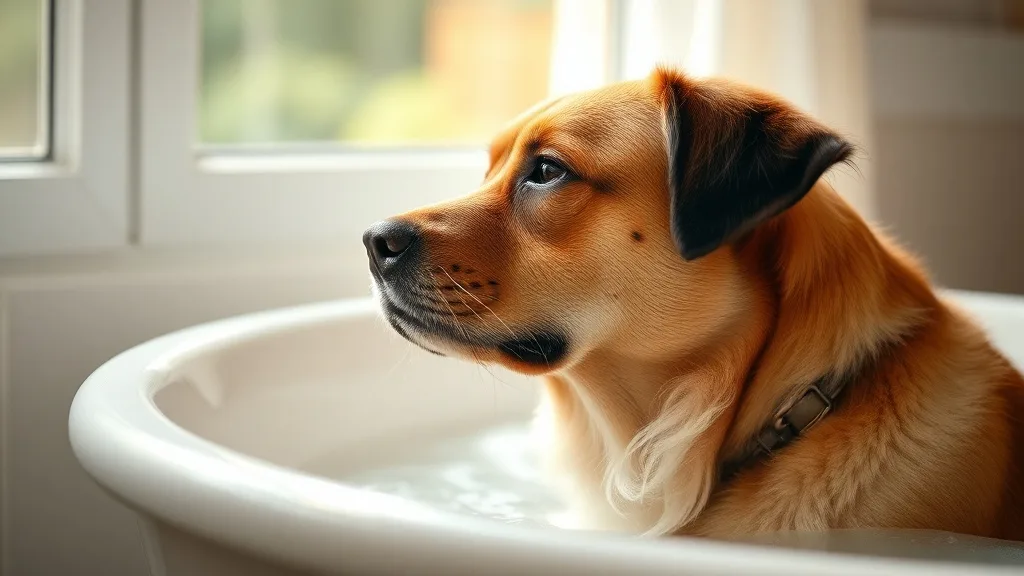
Stress-Free Baths for Senior Dogs Who Hate Them
If your senior dog hates bath time and the whole process turns into a stressful struggle, you’re not alone. Many older dogs become more sensitive to baths due to joint pain, anxiety, and reduced mobility. This stress can have a toll on their health and your peace of mind. Fortunately, there are practical, gentle ways to make baths less frightening and easier for both you and your senior companion.
See also: 39. Dental chews for older dogs with sensitive teeth
What It Is: The Challenge of Bathing Senior Dogs
Bathing a senior dog is more than just routine grooming. As dogs age, they often develop arthritis, sensory decline, and sometimes cognitive changes that affect how they tolerate new or unpleasant experiences. For many, the slippery tub, cold water, loud noises, and feeling trapped may trigger stress behaviors such as trembling, vocalizing, or trying to escape.
Veterinarians also emphasize skin health for aging dogs, particularly for those with underlying renal or systemic health issues, making gentle, regular bathing important. However, the approach needs to be tailored to minimize discomfort and fear.
How It Works: Techniques to Reduce Bath Time Stress
1. Prepare the Right Environment
Creating a calm, warm, and non-slip bathing area helps your dog feel secure.
- Use rubber mats or specialized tub inserts to prevent slipping.
- Temper the water to lukewarm, avoiding extremes that might irritate sensitive skin or joints.
- Keep bathing supplies within arm’s reach to reduce time and movement.
- Consider a quiet, low-distraction space to minimize auditory stress.
2. Use Senior-Friendly Bathing Products
Senior dogs often have thinner, drier skin requiring specially formulated shampoos.
- Opt for moisturizing, gentle cleansers without harsh chemicals.
- Avoid frequent baths; 4-6 weeks is often sufficient unless medically directed.
- Rinse thoroughly to prevent residue buildup which can irritate skin.
3. Break the Bath Into Manageable Steps
Instead of one long session, divide the process into smaller, less daunting parts.
- Start by just introducing water around the paws.
- Progress slowly to wetting the coat, applying shampoo, rinsing, and drying.
- Use treats and gentle praise at each step to positively reinforce cooperation.
4. Enhance Comfort Using Physical Supports
Physical support reduces fear and pain associated with tub entry and standing.
- Use a nonslip harness or sling to assist with balance and joint protection.
- Avoid lifting your dog abruptly; slide them gently in and out of the tub.
- Bring in a caregiver if needed to ease positioning and reduce punishment.
When to Use It: Bathing Frequency and Timing for Seniors
Baths should balance hygiene needs with skin condition and comfort:
- Dogs with skin allergies or renal-friendly special diets may require twice-monthly baths.
- Otherwise, monthly to every six weeks is usually sufficient.
- Plan baths during warm, quiet parts of the day to optimize your dog’s comfort.
- Coordinate with vet visits if skin problems or medications require medical baths.
Common Pitfalls in Bathing Senior Dogs
| Pitfall | Why It Happens | How to Avoid It |
|---|---|---|
| Using cold or hot water | Senior dogs are more sensitive to temperature extremes | Always check water temperature; aim for lukewarm |
| Rushing the bath | Anxiety and lack of patience | Break the bath into smaller segments with breaks |
| Neglecting skin condition | Over-bathing or harsh shampoos drying the skin | Choose shampoos for sensitive skin and bathe less often |
| Ignoring joint support | Dogs struggle with slippery surfaces and movement | Use non-slip mats and physical supports during bath |
| Forcing the dog | Causes fear and trauma during bathing | Use gentle encouragement, positive reinforcement, and stop if necessary |
| Bathing in noisy surroundings | Increases anxiety and stress | Choose a quiet, low-traffic environment |
Practical Tips for a Gentle Bath Routine
- Desensitization Training: Gradually introduce your dog to bath elements without water — let them explore the bath area, touch the water with their paws, or run the faucet at low volume.
- Positive Associations: Use high-value treats or toys during and after the bath to create pleasant memories.
- Partial Baths or Wipes: If full baths cause too much distress, use pet-safe wipes or waterless shampoos for spot cleaning.
- Professional Help: Consider hiring groomers experienced with senior dogs or vet technicians if bathing at home is unsafe or overly stressful.
- Post-Bath Care: Dry carefully with a soft towel or pet dryer on cool settings to prevent chills. Offer a warm, comfortable resting spot afterwards.
Summary Comparison: Bathing Approaches for Senior Dogs
| Approach | Pros | Cons | Best For |
|---|---|---|---|
| Full Bath at Home | Complete cleaning, control over products | Can be stressful and physically demanding | Dogs comfortable with water, mild anxiety |
| Partial Bath / Wipes | Reduces stress, quick refresh | Less thorough, may need frequent use | Highly anxious or arthritic pets |
| Professional Grooming | Trained handlers, less owner stress | More costly, travel or transport needed | Dogs with severe stress or mobility issues |
| Waterless Shampoo | Minimal water exposure, easy to apply | Not effective for heavy soil or odors | In-between baths, sensitive skin |
Frequently Asked Questions
Q: How often should I bathe my senior dog?
A: Most senior dogs benefit from baths every 4-6 weeks unless advised otherwise by your vet. Over-bathing can dry out sensitive skin, so less frequent baths paired with spot cleaning is usually best.
Q: What if my dog has arthritis and hates standing in the tub?
A: Support their joints with non-slip mats and use a harness or sling. Consider a shallow tub or sink if large tubs are difficult. Consulting your vet for pain management may also make baths easier.
Q: Can I use regular dog shampoo on my older pet?
A: It’s better to use shampoos formulated for sensitive or senior skin. Regular shampoos may have ingredients that dry out or irritate aging skin.
Bath time doesn’t have to be a fight with your senior dog. With empathy, preparation, and patience, you can make baths a calm, even pleasant routine that supports your dog’s health and comfort well into their golden years.
Our picks worth a closer look
- 2Pack Hemp Oil for Dogs & Cats, Anxiety & Stress Relief Drops with Omega 3-6-9,HCheck on Amazon → — see current price and specs.
- Delectables Lickable Treat Gravy Senior 10+ Variety Wet Cat Treat & Food Topper,Check on Amazon → — see current price and specs.
- Dog Ramp for Stairs - Dog Steps-Anti-Slip Foam Stair Wedges for Small & Senior DCheck on Amazon → — see current price and specs.
- Dog Ramp for Stairs – Non-Slip Pet Ramp for Small, Short-Legged & Senior Dogs – Check on Amazon → — see current price and specs.
- Zozdal Joint Supplement for Dogs, 180 Chicken Flavor Chews, Glucosamine ChondroiCheck on Amazon → — see current price and specs.