
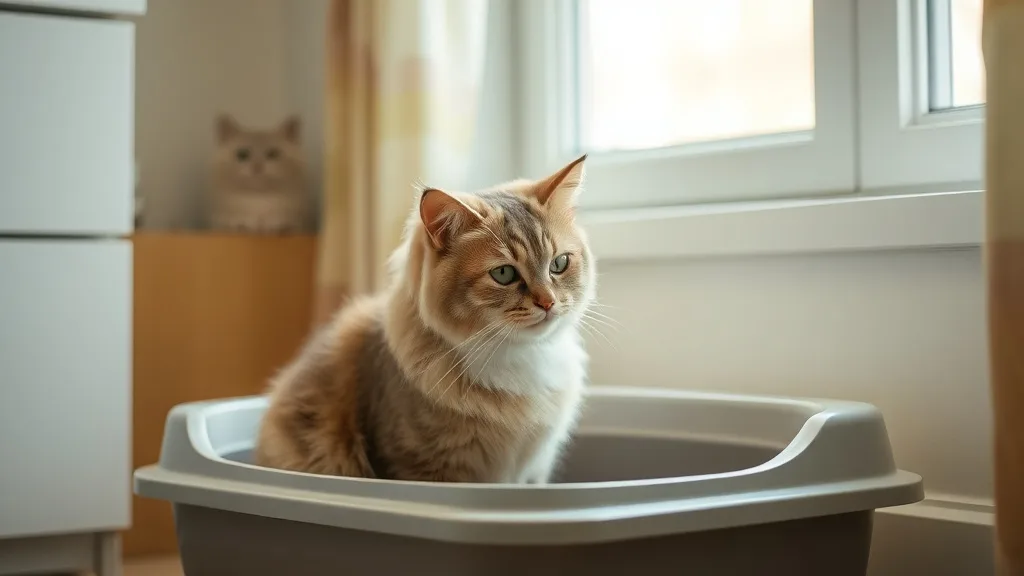
Feline cognitive decline is a concern for many senior cat owners, especially when changes appear in routine activities like litter box use. If your older cat is suddenly missing the box, urinating or defecating outside it, or showing unusual litter habits, this could be more than just a behavioral issue—it may be a sign of cognitive decline. Understanding what these changes mean can help you support your cat’s health and comfort.
What Is Feline Cognitive Decline?
Feline Cognitive Dysfunction (FCD), sometimes called feline dementia, is an age-related decline in brain function in cats, typically affecting those aged 10 years and older. Similar to Alzheimer’s disease in humans, FCD affects memory, spatial awareness, and the ability to learn or remember routines. The brain’s chemical and physical changes impair communication between neurons, leading to behavioral and functional changes.
The litter box is a crucial part of your cat’s daily routine. When cognitive functions falter, their ability to locate, recognize, or use the litter box properly may deteriorate. This can manifest in various ways, often causing distress to both cat and owner.
See also: Recognizing Signs of Cognitive Decline in Senior Cats Early
How Cognitive Decline Affects Litter Box Behavior
Cats are creatures of habit; their neurological health is key to maintaining consistent litter habits. Cognitive decline impacts this through several mechanisms:
- Spatial Disorientation: Cats may forget where the litter box is, especially if they have multiple boxes or the box location changes.
- Memory Loss: Forgetting the purpose of the litter box or previous litter training.
- Loss of Motivation or Confusion: The cat might start urinating or defecating randomly due to confusion or anxiety.
- Changes in Sensory Perception: Altered scent or feel of the litter, or a decreased ability to find the box due to impaired senses.
- Physical Limitations: Arthritis or mobility issues can complicate litter box access, often complicating the cognitive picture.
Recognizing these symptoms early is crucial to managing the underlying condition and improving your cat’s quality of life.
When to Suspect Cognitive Decline Related to Litter Box Issues
Not all litter box problems in older cats mean cognitive decline. Other common causes include urinary tract infections, kidney disease, arthritis, or changes in the home environment. However, when litter box problems coincide with other signs like altered sleep patterns, increased vocalization, and changes in social interaction, cognitive issues become more suspect.
Watch for these key signs connected to litter box use:
- Repeatedly missing the litter box.
- Urinating or defecating in unusual spots.
- Forgetting box location.
- Long latency before eliminating, indicating confusion.
- Changes in litter preferences or refusal.
- Increased accidents despite no medical illness.
Managing Litter Box Issues Caused by Cognitive Dysfunction
Here are practical steps to support your senior cat dealing with cognitive decline while managing litter box challenges:
1. Maintain Routine and Consistency
Keep litter boxes in familiar, low-traffic, easily accessible locations. Don’t frequently move or change boxes, as familiar surroundings aid cognitive stability.
2. Increase Number and Accessibility of Litter Boxes
Provide multiple boxes on different floors or areas of your home, especially if your house has stairs your cat struggles with. For diminished mobility, consider boxes with low entry points or ramps.
3. Choose Appropriate Litter and Box Type
Cats with sensory changes may prefer unscented, finely textured litter. Covered boxes may cause confusion or stress; open boxes offer better spatial cues. Clean boxes regularly, ideally multiple times a day, to encourage consistent use.
4. Monitor and Adjust Diet and Hydration
Renal-friendly nutrition supports overall cognitive function by optimizing kidney health, reducing metabolic toxins that can worsen cognitive symptoms. Ensure constant access to fresh water with easy-to-access fountains to promote hydration.
5. Ensure Low-Stress Veterinary Visits
Regular vet checks help rule out medical causes of litter issues. Stress exacerbates cognitive symptoms, so plan calm vet visits and discuss any behavioral changes with the vet for early pharmacological or environmental interventions.
6. Provide Environmental Enrichment and Cognitive Stimulation
Puzzle feeders, gentle play, and window perches help stimulate the brain, potentially slowing cognitive decline.
7. Manage Joint and Mobility Health
Arthritis or joint stiffness can prevent your cat from entering or exiting the litter box comfortably, making accidents more likely. Supplements or prescribed medications can improve mobility.
8. Use Monitoring Tools
Consider litter box mats or motion sensors to track your cat’s bathroom habits over time. Early detection helps adjust care and vet treatments.
Comparing Litter Box Solutions for Senior Cats with Cognitive/Physical Challenges
| Feature | Standard Covered Box | Open Low-Entry Box | Automatic Self-Cleaning Box | Raised Rim or Ramp Box |
|---|---|---|---|---|
| Accessibility | Moderate, can be difficult to enter | High, easy entry and exit | Varies; may be complex | High, designed for mobility |
| Familiarity for Senior Cats | Mixed; enclosed may cause confusion | Clear visibility aids cognition | May confuse cats due to noise | Provides support for arthritis |
| Ease of Cleaning | Moderate | Easy | High, self-cleaning reduces effort | Moderate |
| Sensory Impact | May trap odors, stressful | Open, better air circulation | Some cats stressed by noise | Neutral |
| Best for | Cats comfortable with enclosure | Cats with cognitive or mobility issues | Owners wanting convenience, cats used to technology | Cats with mobility but confusion |
Choosing the right box depends on your cat’s specific mobility and cognitive needs; sometimes combining options or adding ramps near boxes can help.
Common Pitfalls to Avoid
- Assuming Medical Issues First: Cognitive decline symptoms can overlap with urinary tract or kidney problems; always seek veterinary diagnosis before behavioral assumptions.
- Changing Litter or Box Too Often: Sudden changes increase confusion in a cognitively impaired cat.
- Punishing Accidents: This worsens stress and can accelerate decline or worsen behavior.
- Ignoring Mobility Needs: Arthritis is common in older cats and often missed as a factor in litter problems.
- Neglecting Environment Enrichment: Cognitive function benefits greatly from mental and environmental stimulation.
Frequently Asked Questions
Q: Can cognitive decline in cats be reversed?
A: Feline cognitive decline is generally progressive and not fully reversible, but early intervention with enrichment, better nutrition, and veterinary support can slow progression and improve quality of life.
Q: How do I know if my cat’s litter issues are due to cognition or a health problem?
A: A thorough veterinary exam including blood work, urinalysis, and physical assessment is essential to rule out infections, kidney disease, arthritis, or other treatable conditions first.
Q: Are there special litter types to support cats with cognitive dysfunction?
A: Unscented, finely textured litter that’s easy to dig in and doesn’t overwhelm the cat’s senses is typically best, as strong fragrances or unusual textures may confuse or deter cats with cognitive decline.
Caring for a senior cat with cognitive decline requires patience, observation, and thoughtful adjustments to their environment—especially the litter box. Supporting their dignity and well-being in these everyday tasks profoundly impacts their happiness in their golden years.
Our picks worth a closer look
- Longevity+ Dog Health Supplement - Dog Vitamins and Supplements for Joint, MusclCheck on Amazon → — see current price and specs.