
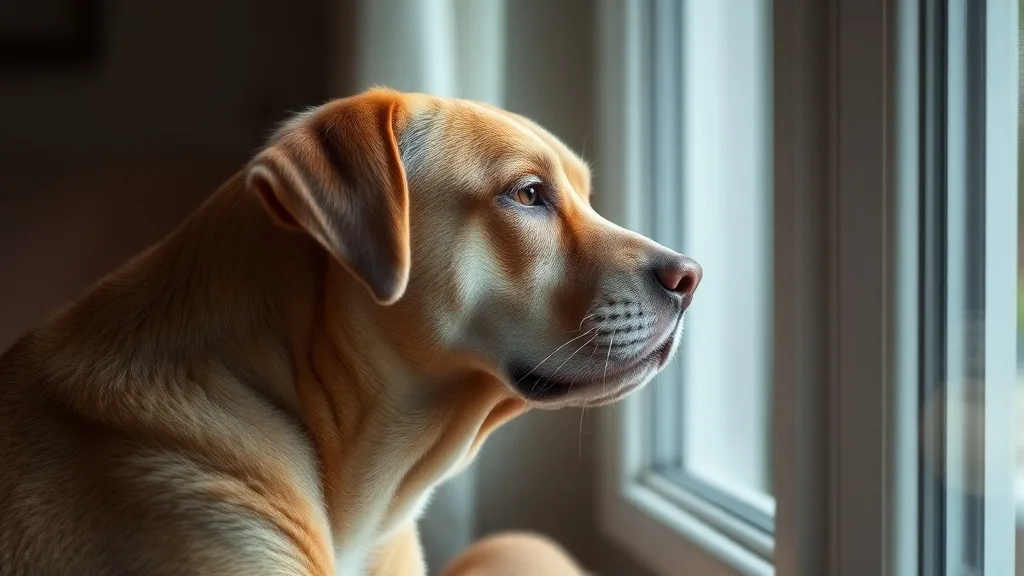
When your senior dog looks at you with unfamiliar eyes, it’s a heart-wrenching moment. You’ve spent years building a bond, but now your dog no longer seems to recognize you. This sudden change can be confusing and scary, raising urgent questions: What does it mean? Is your dog suffering? What steps should you take? Understanding why recognition fades and how to respond effectively will help you navigate this difficult stage with compassion and clarity.
What It Means When a Senior Dog Stops Recognizing You
Recognition in dogs is a combination of sensory input (sight, smell, sound) and memory recall. When an older dog suddenly or gradually stops recognizing familiar people, it’s often a sign of underlying cognitive or sensory decline rather than a loss of affection.
Key reasons for loss of recognition include:
- Cognitive Dysfunction Syndrome (CDS): Like Alzheimer’s in humans, CDS affects memory, learning, and awareness. Disorientation and confusion are common.
- Sensory degradation: Diminished vision or hearing reduces recognition cues.
- Medical illnesses: Metabolic imbalances, pain, infections, or neurological diseases disrupt normal brain function.
- Medication side effects: Some drugs can impair cognition or alertness.
Loss of recognition is less about an emotional break and more about the dog’s brain no longer connecting the dots as clearly as before.
See also: 32. Sundowning in older dogs: real phenomenon and practical help
How It Works: The Dog’s Brain in Senior Years
Dogs rely heavily on smell, sight, and sound to identify familiar people. When one or more of these senses diminish, recognition can falter.
- Olfactory changes: Senior dogs may lose some ability to pick up familiar scents, critical for recognition.
- Visual impairment: Cataracts, glaucoma, or retinal degeneration may blur faces.
- Hearing loss: Reduced ability to hear commands or voices makes identification harder.
- Memory decline: CDS and other neurodegenerative diseases cause confusion and impaired recall.
Underlying these sensory losses, inflammation, plaque buildup in brain cells, and neuronal death can affect cognitive functions, much like in human dementia. Dogs with CDS often show altered sleep patterns, anxiety, disorientation, and reduced social interactions in addition to recognition problems.
When to Use this Understanding: Steps to Take If Your Senior Dog Stops Recognizing You
If your dog stops recognizing you or appears confused, take the following steps:
1. Schedule a Veterinary Evaluation
Immediate medical assessment rules out reversible conditions like infections, thyroid problems, or pain. Your vet may recommend blood tests, neurological exams, or imaging to look for underlying causes.
2. Assess and Support Sensory Health
- Eye check: Ensure vision issues aren’t causing “non-recognition.”
- Hearing test: Evaluate possible hearing loss that affects identification.
- Environmental adjustments: Use scent markers or textured mats to aid orientation at home.
3. Adjust Interaction Style
- Speak calmly and clearly.
- Use your dog’s name more frequently with gentle touch.
- Avoid sudden movements that may confuse or scare.
4. Enhance Mental and Physical Stimulation
Mental enrichment (interactive toys, training) and gentle exercise help slow cognitive decline. Maintain routines for comfort and orientation.
5. Provide a Low-Stress Environment
Senior dogs with cognitive issues feel vulnerable. Reduce changes, minimize loud noises, and create a safe, quiet zone where your dog can retreat.
6. Prepare for Ongoing Care Needs
If CDS or neurodegeneration is diagnosed, your vet will guide you on medications, supplements, and care strategies to improve quality of life.
7. Support Yourself Emotionally
This phase can be heartbreaking. Connect with support groups or counselors familiar with pet aging and dementia.
Common Pitfalls to Avoid
- Ignoring subtle signs: Early cognitive changes may be mistaken for “just getting old.”
- Punishing confused behavior: Dogs with CDS are not misbehaving out of willfulness.
- Abrupt environment changes: Moving furniture or introducing new pets can worsen confusion.
- Over-medicalizing: Not all behavior changes require heavy drugs; focus on quality of life.
Comparison Table: What Your Dog May Be Experiencing and How to Respond
| Issue | Symptoms | Veterinary Actions | Home Care Adjustments | When to Seek Emergency Help |
|---|---|---|---|---|
| Cognitive Dysfunction (CDS) | Disorientation, lower social interest | Diagnosis, possible meds | Routine, enrichment, calm environment | Severe disorientation, sudden collapse |
| Vision Loss | Bumping into objects, reluctance to move | Eye exam, possible treatment | Good lighting, avoid moving furniture | Sudden blindness, eye pain |
| Hearing Loss | No response to name or commands | Hearing assessment | Use of visual cues, touch for attention | Sudden deafness with balance issues |
| Pain or Arthritis | Stiffness, licking joints, irritability | Pain management, medication | Soft bedding, ramps for easier access | Severe limp, inability to stand or eat |
| Metabolic Illnesses (e.g., thyroid, kidney disease) | Weight loss, lethargy, confusion | Bloodwork | Diet adjustment, hydration | Seizures, severe lethargy |
End-of-Life Considerations
Loss of recognition can be an early sign of dementia or other decline that impacts your dog’s overall quality of life. Sensitive monitoring is essential to determine when comfort-focused care becomes necessary:
- Provide consistent companionship using voice and scent cues.
- Use soft bedding and assistive aids.
- Engage in gentle petting and calming activities.
- Discuss hospice care options with your vet when needed.
Remember, recognizing your dog may fade, but your presence and kindness provide irreplaceable comfort.
Frequently Asked Questions
Q: Can a dog with cognitive dysfunction regain recognition skills?
A: Cognitive dysfunction is progressive and currently irreversible. However, treatments and environmental modifications can slow decline and improve quality of life.
Q: How do I know if my dog’s “non-recognition” is due to sensory loss or dementia?
A: Only a veterinarian can diagnose confidently, but if your dog shows additional confusion, altered sleep, or anxiety, cognitive dysfunction is likely.
Q: Is it harmful to keep trying to interact if my dog doesn’t seem to recognize me?
A: No. Gentle, consistent interaction helps reduce anxiety and provides comfort, even if your dog doesn’t respond as before.
Facing this challenge with your senior dog is tough, but understanding the “why” and “how” of recognition loss equips you to provide thoughtful, loving care in their golden years.
Our picks worth a closer look
- Dog Ramp for Stairs - Dog Steps-Anti-Slip Foam Stair Wedges for Small & Senior DCheck on Amazon → — see current price and specs.
- Dog Ramp for Stairs – Non-Slip Pet Ramp for Small, Short-Legged & Senior Dogs – Check on Amazon → — see current price and specs.
- Jinx Premium Senior Dog Food Dry - Real Chicken, Brown Rice & Sweet Potato KibblCheck on Amazon → — see current price and specs.
- Vialoe Advanced Dog Hip & Joint Chews - Concentrated with Glucosamine, ChondroitCheck on Amazon → — see current price and specs.
- 2-Pack Dog Ramp Stairs for Pets ups to 170lbs, Durable Anti-Slip Carpet Surface,Check on Amazon → — see current price and specs.