
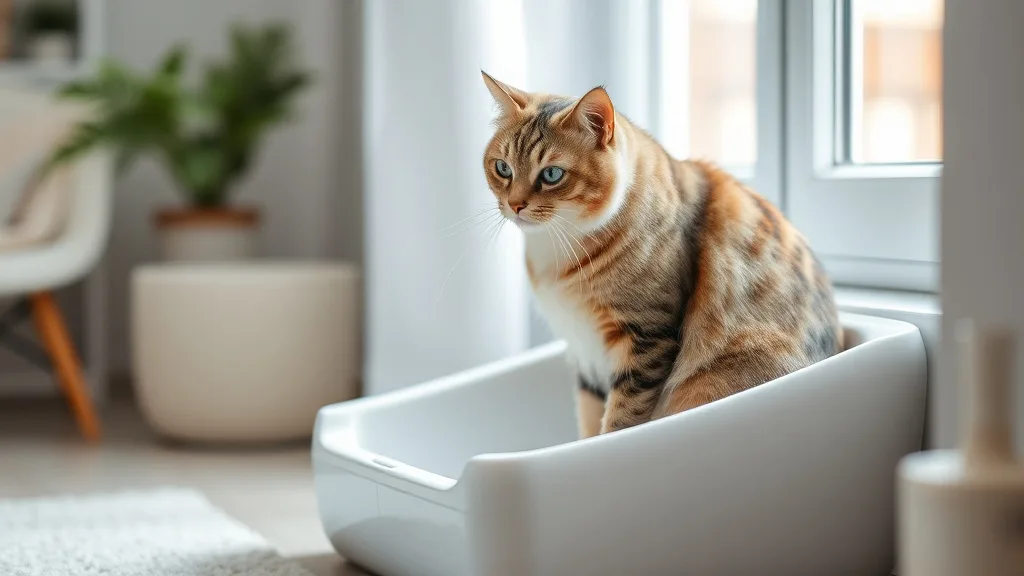
When your senior cat struggles to access or comfortably use their litter box, it’s a signal that changes are needed to support their mobility and wellbeing. Switching to a low-sided litter box can help reduce stress, prevent accidents, and accommodate age-related challenges such as arthritis or reduced flexibility. Knowing when and how to make this change is essential for maintaining your senior cat’s comfort and hygiene.
What Is a Low-Sided Litter Box?
A low-sided litter box is simply a litter tray with lowered entry points—meaning the walls are shorter than those of standard litter boxes. This design allows easier access for cats who struggle to step into or out of a deep-sided box due to joint pain, stiffness, or decreased agility common in senior cats.
Low-sided boxes can come in various shapes and sizes but share the common feature of a reduced wall height, often less than 4 inches, compared to regular boxes that can have walls 6 inches or higher. Some are specifically designed for senior or mobility-impaired cats, often with extra-wide entry points or ramps for gradual access.
See also: Optimizing Mobility Comfort for Silvertail Cats Over a Decade Old
How Does a Low-Sided Litter Box Help Senior Cats?
As cats age, maintaining agility becomes challenging. Conditions such as arthritis, hip dysplasia, or general muscle weakness can make high-sided litter box entry a painful or intimidating task. Low-sided boxes reduce the physical barrier, allowing the cat to enter and exit without lifting their legs too high or jumping.
This ease of access can result in:
- Fewer accidents (e.g., urinating outside the box due to difficulty accessing it)
- Reduced stress related to litter box usage
- Preservation of independence in self-care
- Better hygiene and comfort
Additionally, low-sided boxes help cats with limited visibility maintain awareness by making it easier to climb in without obstruction, which can reduce anxiety.
When Should You Consider Switching to a Low-Sided Litter Box?
Understanding when to switch to a low-sided box can be guided by several signs related to your senior cat’s mobility and litter box habits:
-
Difficulty Entering or Exiting the Box
If you notice your cat hesitates, struggles to climb over the high walls, or ranks higher than usual before using the box, this signals reduced mobility. -
Litter Box Avoidance or Accidents Nearby
Sudden urination or defecation outside the litter box can be caused by difficulty getting inside the box rather than behavioral issues. -
Visible Signs of Arthritis or Joint Pain
Stiffness, limping, or slower movements suggest that your cat might find stepping over high sides painful or difficult. -
Anxiety at Litter Box Time
Vocalizing distress or pacing near the box can indicate that the current box setup is a source of stress. -
Weight or Body Condition Changes
Weight gain or loss affects mobility. Overweight cats may have problems stepping into high-sided boxes, while underweight cats might have weaker muscles making it harder to climb. -
Age Milestones
Cats above 10 years often start showing mobility issues and might benefit from a pre-emptive change.
How to Switch to a Low-Sided Litter Box
Transitioning your senior cat to a low-sided litter box should be done thoughtfully to minimize stress:
1. Choose the Right Box
Select a shallow litter box, ideally with a bed-height entry point less than 4 inches. Wide and stable bases prevent tipping.
2. Position It Where the Old Box Was
Place the new litter box in the same area to maintain familiarity.
3. Keep the Same Litter Type Initially
Switching too many variables at once can be confusing. Keep the litter familiar during transition.
4. Consider Multiple Boxes
If space allows, provide both the old and new box side by side for a week or so, allowing your cat to choose.
5. Monitor and Adjust
Observe your cat’s behavior. If usage increases and accidents decline, the transition is successful. Adjust location or box size as needed.
6. Add Low-Sided Boxes in Multiple Locations
If your home is large, adding extra litter boxes with low sides in different rooms can help reduce travel for older cats.
Low-Sided vs. High-Sided Litter Boxes: Features and Suitability
| Feature | Low-Sided Litter Box | High-Sided Litter Box | Best Scenario |
|---|---|---|---|
| Wall Height | < 4 inches | Often 6 inches or higher | Low-sided for senior or mobility-impaired cats; high-sided for cats prone to scatter litter |
| Ease of Entry | Easy for arthritic or stiff cats | Difficult for cats with joint problems | Low-sided optimal for easier access |
| Litter Scatter Control | Less effective; litter may spill over edges | Better containment of litter | High-sided preferred for energetic cats |
| Odor Containment | Generally less effective | Better at trapping odors | High-sided boxes can reduce odor dispersal |
| Cleaning Convenience | Usually easier to clean due to low walls | Can be trickier to reach inside | Low-sided better for frequent cleaning |
| Risk of Accidents Outside | Higher if cat avoids box due to access issues | Lower if cat easily enters | Low-sided box reduces accidents for seniors |
Common Pitfalls When Switching Senior Cats to Low-Sided Litter Boxes
- Sudden complete switch: Abruptly removing the old box can cause stress and avoidance behaviors.
- Not monitoring litter preferences: Older cats may be sensitive to texture or scent changes in litter.
- Ignoring other needs: Low-sided boxes help mobility but won’t fix underlying medical issues like urinary tract infections causing avoidance.
- Placement in busy or noisy areas: Senior cats need quiet and safe locations for their litter boxes.
- Too small box size: Small boxes can discourage use if the cat feels cramped.
- Neglecting litter depth: Shallow litter might feel strange, but too deep can make it hard for senior cats to dig.
Supporting Senior Cats Beyond the Litter Box
While a low-sided litter box supports mobility and access, holistic senior cat care includes:
- Renal-friendly nutrition: To support kidney health, avoid foods high in phosphorus and protein that strain kidneys.
- Low-stress vet visits: Use gentle handling, sedatives if prescribed, and familiar carriers to reduce anxiety.
- Joint mobility aids: Supplements like omega-3 fatty acids, physiotherapy, or padded resting areas.
- Litter box placement: Accessible quiet corners, easy to find without stairs or obstacles.
Frequently Asked Questions
Q: My cat still avoids the litter box after switching to a low-sided one. What can I do?
A: Monitor health for infections or pain. Try changing the litter type or box location and ensure multiple boxes are available. Consult your vet if issues persist.
Q: Can I modify a regular litter box myself to make it low-sided?
A: Yes, you can carefully cut down one side to create an entry point, but be sure to smooth edges thoroughly to prevent injury.
Q: How often should I replace or clean a low-sided litter box for a senior cat?
A: Clean daily to maintain hygiene. Replace the box every 6-12 months as wear and odor absorption can increase over time.
Our picks worth a closer look
- Royal Canin Aging 12+ Dry Cat Food 7 lbCheck on Amazon → — see current price and specs.
- Feliway Classic Starter Kit Plug-In Diffuser and Refill 48mlCheck on Amazon → — see current price and specs.
- PetSafe Drinkwell Platinum Pet Water Fountain 168ozCheck on Amazon → — see current price and specs.
- K&H Pet Products Thermo-Kitty Heated Cat Bed Small MochaCheck on Amazon → — see current price and specs.
- Delectables Lickable Treat Gravy Senior 10+ Variety Wet Cat Treat & Food Topper,Check on Amazon → — see current price and specs.