
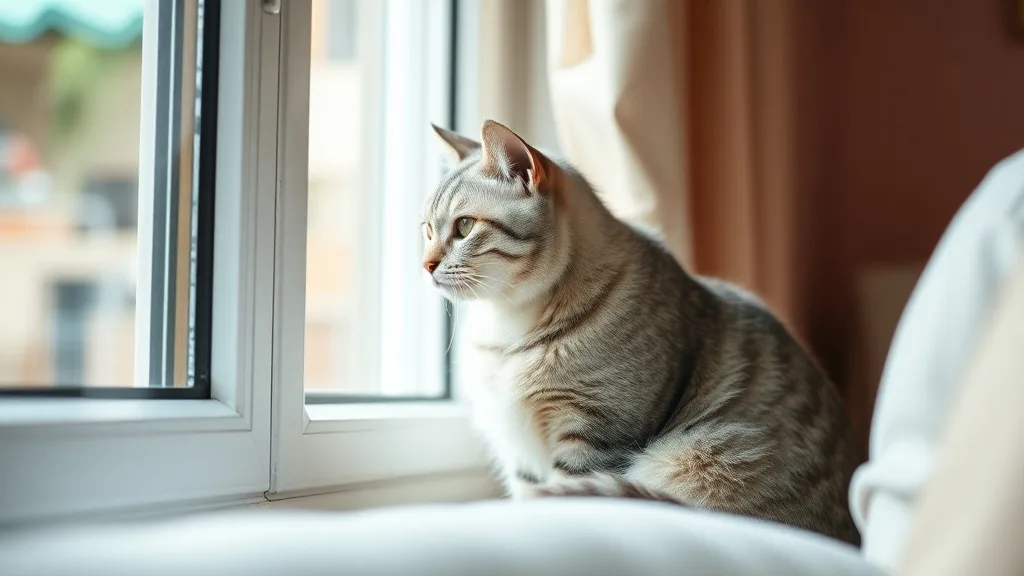
Cats over ten years old often develop arthritis, which can make everyday activities painful and challenging for them. As a Silvertail cat owner, you want to ensure your senior feline feels comfortable, maintains mobility, and enjoys a high quality of life despite joint stiffness and discomfort. Adapting your home environment effectively is crucial to meet their specific needs and help them thrive.
What Is Feline Arthritis and How Does It Affect Senior Cats?
Feline arthritis is a degenerative joint disease common in cats over ten years old. It leads to the breakdown of cartilage, inflammation, and joint pain, resulting in reduced mobility and a reluctance to perform usual activities like jumping or climbing.
Symptoms include:
- Stiffness after resting
- Difficulty jumping onto furniture or into litter boxes
- Decreased grooming, resulting in a less healthy coat
- Changes in behavior such as irritability or withdrawal
Understanding arthritis helps you identify the best home adaptations to reduce discomfort and enhance your cat’s daily life.
See also: Caring for Silvertail Cats’ Mobility Needs in Their Senior Years
How Adjusting Your Home Helps Arthritic Silvertail Cats
Modifying your home environment takes the stress off struggling joints and promotes independence. The goal is to minimize excessive jumping, bending, or twisting, as these movements cause discomfort to arthritic cats. By streamlining routines, providing supportive resources, and ensuring easy access to essentials, you improve your Silvertail cat’s well-being and quality of life.
Key Home Adaptations for Arthritic Senior Cats
1. Enhance Mobility with Low-Impact Movement Options
-
Provide ramps and stairs: Instead of forcing your cat to jump, set up pet ramps or stairs to reach favorite resting spots like couches, beds, or window perches. Look for sturdy, non-slip surfaces.
-
Add soft bedding: Orthopedic or memory foam beds with supportive cushioning relieve joint pressure and promote restful sleep.
-
Clear pathways: Minimize clutter so your cat has unobstructed walking areas that don’t require awkward movements.
2. Make Litter Boxes More Accessible
Arthritic cats struggle to enter and exit tall or deep-sided litter boxes.
-
Opt for low-entry boxes: Choose or modify litter boxes with lower sides for easier access.
-
Keep boxes near favorite resting places: Limiting distance reduces strain during bathroom visits.
-
Offer multiple litter boxes: This decreases the need for long trips around the house.
3. Support Joint Health Through Nutrition
A renal-friendly diet rich in omega-3 fatty acids and anti-inflammatory nutrients can ease arthritis symptoms.
-
Consult your vet: Ensure the diet meets kidney health needs alongside joint support, as renal issues are common in seniors.
-
Maintain hydration: Access to fresh water encourages kidney function and joint lubrication.
4. Create Stress-Free Vet Visits
Veterinary trips can excite or stress senior cats, worsening arthritis pain.
-
Use calm carriers: Soft-sided carriers or padded inserts can cushion your cat during transport.
-
Schedule appointments during quiet hours: Avoid crowded waiting rooms when possible.
-
Consider mobile vet services: These allow exams in familiar environments to reduce anxiety.
5. Monitor and Encourage Gentle Exercise
-
Short play sessions: Frequent low-impact play with toys encourage joint mobility without overexertion.
-
Massage and physical therapy: Gentle massages or guided stretches recommended by vets may improve circulation and comfort.
Comparison Table: Mobility Adaptation Options for Senior Cats with Arthritis
| Feature | Pet Ramp | Pet Stairs | Orthopedic Bed | Low-Entry Litter Box |
|---|---|---|---|---|
| Ease of Use | Gradual incline, good for joints | Stepwise elevation, firm landing | Soft, supportive cushioning | Easy to enter and exit |
| Installation/Placement | Requires space, near favorite spots | Compact, can be moved easily | Place anywhere cozy | Needs replacing or modifying existing boxes |
| Material Durability | Often carpet-covered wood/plastic | Carpet-covered wood or foam | Memory foam or egg-crate foam | Plastic or composite materials |
| Maintenance & Cleaning | Vacuum or wipe down | Vacuum or wipe down | Regular washing of covers | Frequent litter changes needed |
| Best for | Cats struggling with large jumps | Cats needing easier vertical access | Cats with joint pain and pressure relief | Cats with difficulty stepping over tall edges |
Choosing complementary options—like combining a ramp with an orthopedic bed and low-entry litter boxes—gives your arthritic Silvertail cat the greatest comfort and independence.
When to Implement These Changes
Begin adapting your home at the first signs of arthritis—slow movements, reluctance to jump, or visible stiffness. Early interventions improve mobility and reduce pain progression. Even if your cat isn’t showing symptoms, creating an arthritic-friendly environment proactively can prevent discomfort.
Consider more intensive adaptations if you observe:
- Difficulty entering litter boxes or food dishes
- Reduced grooming or visible discomfort walking or climbing
- Behavioral signs like hiding or decreased social interaction
- Changes in eating or drinking habits
Common Pitfalls to Avoid
-
Ignoring early signs: Arthritis develops gradually, so subtle symptoms can be missed or attributed to normal aging.
-
Forcing action: Don’t coerce cats into jumping or moving to preferred areas if it causes pain; respect their comfort zones.
-
Neglecting nutrition: Joint support and kidney health are closely linked. Poor renal function worsens joint problems.
-
Overcrowding the environment: Too many obstacles can make navigation harder, increasing stress and risk of injury.
-
Delaying vet consultation: Always discuss suspected arthritis and diet plans with your veterinarian to tailor care competently.
Frequently Asked Questions
Q: How can I tell if my Silvertail cat has arthritis instead of just slowing down?
A: Look for stiffness after resting, difficulty jumping, reduced grooming, and behavior changes. A vet can confirm through examination and X-rays.
Q: Are ramps or stairs better for arthritic cats?
A: Both have advantages. Ramps provide gradual inclines and are easier on joints but need more space. Stairs are stable and compact, better for small spaces.
Q: Can diet alone relieve arthritis symptoms?
A: Diet is one part of a multi-faceted approach. Renal-friendly, anti-inflammatory nutrients help joint health but should be combined with environmental adjustments and vet-recommended treatments.
By thoughtfully adapting your home to your arthritic Silvertail cat’s evolving needs, you provide compassionate care that supports their dignity, comfort, and joy in senior years. Taking these steps early empowers your cat to stay active and happy as they age gracefully.
Our picks worth a closer look
- 2Pack Hemp Oil for Dogs & Cats, Anxiety & Stress Relief Drops with Omega 3-6-9,HCheck on Amazon → — see current price and specs.
- Неmp Oil for Dogs Cats (2 Packs), Organic Pet Calming Drops Anxiеty Relief & StrCheck on Amazon → — see current price and specs.
- Pawvotum Glucosamine for Cats, Pet vitamins and supplements with Chondroitin, MSCheck on Amazon → — see current price and specs.
- Pet Неmр Oil for Dogs and Cats 2 Packs, Organic Oil for Anxiеty Strеss Pαin HoliCheck on Amazon → — see current price and specs.
- RINGCO Pet Heating Pad for Cats & Small Dogs with 12 Adjustable Temperature, WatCheck on Amazon → — see current price and specs.