
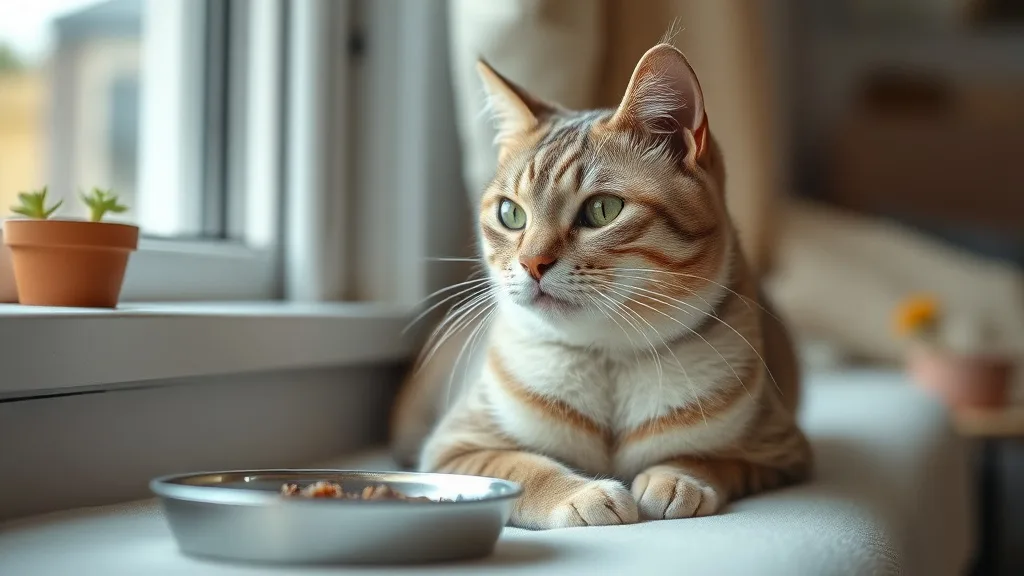
Cats over 10 years old commonly face progressive kidney issues, making it critical to adjust their diets to support renal function while maintaining quality of life. If your senior cat has been diagnosed with chronic kidney disease (CKD) or shows early signs of declining kidney function, navigating renal-friendly nutrition can be confusing and overwhelming. This article breaks down how to prudently adjust your silvertail cat’s diet to slow progression, ease symptoms, and keep them comfortable.
What Is a Renal Diet for Cats?
A renal diet is specially formulated to reduce stress on the kidneys. It typically involves:
- Controlled protein quantity and quality to lessen nitrogenous waste.
- Restricted phosphorus to prevent mineral imbalance.
- Enhanced omega-3 fatty acids for anti-inflammatory benefits.
- Increased moisture to support hydration.
The goal is to reduce kidney workload without causing malnutrition or muscle wasting, common risks in aging cats. These diets come as wet and dry options, but wet food is often preferred for senior cats to maintain hydration.
See also: Adjusting Your Senior Cat’s Diet for Kidney Health
How Kidney Disease Affects Nutrition Needs
The kidneys filter toxins and regulate electrolytes and fluids. When damaged, waste products build up, and the balance between nutrients and minerals shifts. Common issues require careful nutritional adjustments:
- Protein: Needs to be limited but high-quality to reduce waste while preserving muscle mass.
- Phosphorus: Excess speeds kidney damage; limiting it helps slow progression.
- Sodium: Often moderated to manage blood pressure and fluid retention.
- Potassium: May need supplementation or monitoring, as it can fluctuate.
- Hydration: Kidney disease often leads to dehydration risk, so increased water intake is vital.
When and How to Adjust Your Cat’s Renal Diet
Adjusting diet isn’t a one-time event; it requires ongoing assessment and adaptation as your silvertail’s condition evolves.
Step 1: Confirm Kidney Status with Your Vet
Before changing diets, get current lab work that includes blood urea nitrogen (BUN), creatinine, phosphorus levels, and urine concentration. This lab panel helps stage your cat’s CKD according to guidelines, directing the dietary strategy.
Step 2: Choose the Right Base Diet
Start with a commercial renal diet formulated for cats with kidney issues. These diets balance the nutrients described above. Wet food is preferable, but a mix of wet and dry can be used if your cat strongly prefers kibble. Consider palatability since loss of appetite is common.
Step 3: Tailor Protein Levels
- Early stages (IRIS stage 1-2): Maintain moderate high-quality protein to prevent muscle loss.
- Advanced stages (IRIS stage 3-4): Further reduce protein quantity but focus on highly digestible sources.
Avoid homemade low-protein diets unless guided by a veterinary nutritionist due to risk of imbalances.
Step 4: Manage Phosphorus Intake
Regularly check phosphorus levels. Use:
- Low-phosphorus commercial diets
- Avoid high-phosphorus treats or supplements
- Discuss phosphate binders with your vet if levels remain high despite diet
Step 5: Monitor Electrolytes and Fluid Intake
- Increase wet food portions or add water/broth to meals.
- Watch potassium levels; some cats require supplements if potassium becomes too low.
- Ensure clean, accessible water at all times, especially for senior cats with mobility challenges.
Step 6: Observe and Adapt
Track your cat’s weight, appetite, and hydration closely. Adjust portions and food types if your cat loses muscle mass or refuses food. Regular vet check-ups every 3-6 months are important to recalibrate diet needs.
Comparison of Common Nutritional Focus Areas for Renal Cats
| Nutrient | Early CKD Approach | Advanced CKD Approach | Why It Matters |
|---|---|---|---|
| Protein | Moderate, high-quality | Lower amounts, highly digestible | Balances waste reduction with muscle maintenance |
| Phosphorus | Restrict moderately | Strict restriction | Prevents further kidney damage |
| Sodium | Moderate restriction if hypertensive | Reduced if fluid retention present | Controls blood pressure and edema |
| Potassium | Monitor & supplement if low | Careful balance | Prevents muscle weakness or cardiac issues |
| Moisture | Increase with wet food | Maximize hydration | Helps kidneys flush out toxins |
Additional Considerations for Senior Silvertail Cats on Renal Diets
- Joint Mobility: Kidney disease sometimes correlates with arthritis. Consider joint supplements and ensure feeding stations are at comfortable heights.
- Litter Box Accessibility: Older cats struggle with mobility; provide easily accessible litter boxes to reduce stress.
- Low-Stress Vet Visits: Frequent vet visits can be stressful. Use carrier familiarization and calm pheromone sprays to improve cooperation.
- Picky Eating: Appetite often declines; rotating flavors within renal-friendly diets can help avoid refusal.
- End-of-Life Comfort: Nutritional adjustments tied to quality of life, not just lab values. When appetite ceases or hydration suffers, discuss comfort care options with your vet without guilt.
Common Pitfalls in Renal Diet Management
- Sudden Diet Changes: Can cause gastrointestinal upset. Transition slowly over 7-10 days.
- Over-Restriction of Protein: Leads to muscle loss and worsened outcomes.
- Ignoring Hydration: Dehydration aggravates kidney damage.
- Treats and Supplements Without Vet Approval: Many over-the-counter products have inappropriate nutrient profiles for CKD cats.
- Delayed Lab Monitoring: Renal diet plans should be data-driven, adjusting based on bloodwork.
Frequently Asked Questions
Q: Can I feed my kidney cat homemade food instead of commercial renal diets?
A: Homemade diets can be risky without veterinary nutritionist guidance because balanced nutrients and phosphorus control are critical. Commercial renal diets are specifically formulated to meet these needs.
Q: How do I encourage my senior cat with kidney issues to drink more water?
A: Offer wet food, add water or low-sodium broth to meals, place multiple water bowls around the house, and try water fountains to entice drinking.
Q: Is it necessary to restrict protein completely in advanced kidney failure?
A: No. Protein should be reduced but not eliminated because cats need sufficient amino acids to maintain muscle and immune function.
Adjusting your silvertail cat’s renal diet requires attention, patience, and collaboration with your veterinarian. By focusing on stage-appropriate nutrient balance, hydration, and comfort, you can help your feline companion maintain strength and dignity through progressive kidney disease.
Our picks worth a closer look
- 2Pack Hemp Oil for Dogs & Cats, Anxiety & Stress Relief Drops with Omega 3-6-9,HCheck on Amazon → — see current price and specs.
- Royal Canin Aging 12+ Dry Cat Food 7 lbCheck on Amazon → — see current price and specs.
- PetSafe Drinkwell Platinum Pet Water Fountain 168ozCheck on Amazon → — see current price and specs.
- Неmp Oil for Dogs Cats (2 Packs), Organic Pet Calming Drops Anxiеty Relief & StrCheck on Amazon → — see current price and specs.
- Pawvotum Glucosamine for Cats, Pet vitamins and supplements with Chondroitin, MSCheck on Amazon → — see current price and specs.