
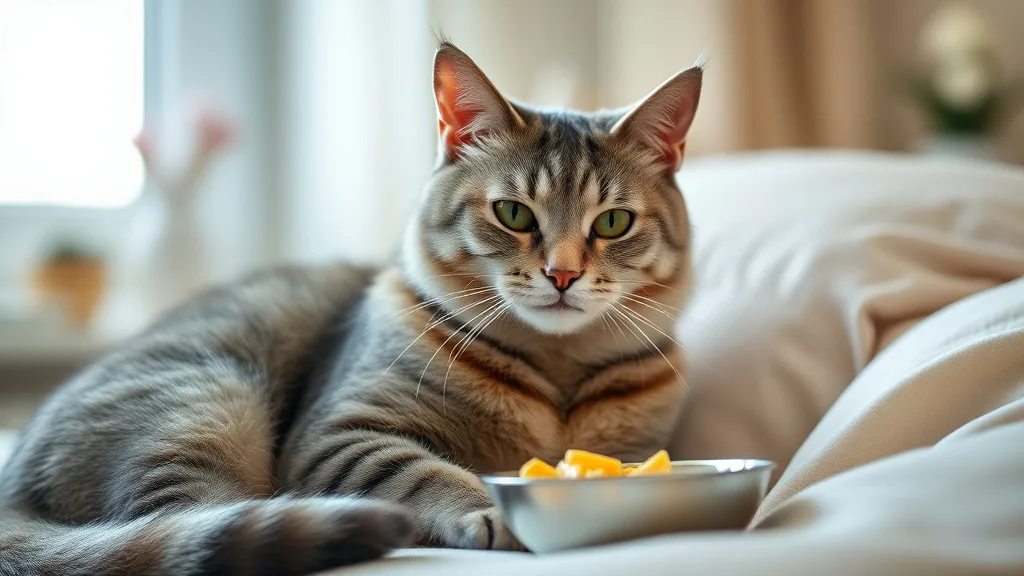
Balancing Nutritional Needs in Silvertail Cats with Kidney Disease
If you have a senior cat (10+ years) who has just been diagnosed with kidney disease, you’re probably feeling overwhelmed trying to adjust their diet. Kidney disease complicates nutrition because the kidneys are less able to filter waste and regulate minerals, so what was once a healthy meal can now become harmful. Balancing your Silvertail cat’s nutritional needs while supporting kidney function is crucial to maintaining quality of life and minimizing discomfort.
This article explains what kidney disease means for your senior cat’s nutrition, how to adjust their diet without stress, and common pitfalls to avoid.
See also: Adjusting Renal Diets for Silvertail Cats with Progressive Kidney Issues
What Is Kidney Disease in Senior Cats?
Chronic Kidney Disease (CKD) is a progressive, irreversible decline in kidney function common in older cats. The kidneys filter waste from the bloodstream and regulate electrolyte and fluid balance. When the kidneys weaken, toxins build up, and imbalances in minerals like phosphorus and sodium occur.
For Silvertail cats aged 10 or older, the risk of CKD increases significantly, making thoughtful nutritional management essential to slow disease progression and ease symptoms such as poor appetite, weight loss, and dehydration.
How Kidney Disease Affects Nutrition
Kidney disease changes what your cat can safely digest and absorb. Too much protein, phosphorus, or sodium can accelerate damage or cause fluid retention. Conversely, inadequate protein leads to muscle wasting, and too little calories causes dangerous weight loss.
The balancing act includes:
- Reducing protein to limit kidney workload, but maintaining enough for muscle maintenance and immunity.
- Lowering phosphorus to slow kidney scarring and secondary complications like high blood pressure.
- Controlling sodium and fluids to prevent excessive thirst, urination, or dehydration.
- Ensuring palatability since reduced appetite is common, and nutrition is only beneficial if eaten.
How to Create a Renal-Friendly Diet for Your Silvertail Cat
Here’s a step-by-step approach to adjust your senior cat’s diet safely:
1. Consult Your Veterinarian for Kidney Assessment
Before making diet changes, get a confirmed diagnosis and kidney function staging via bloodwork and urine tests. This helps tailor dietary changes based on disease severity.
2. Choose a Diet Lower in Protein but High-Quality
Protein restriction is important but must not compromise quality or cause muscle loss. Opt for diets with moderate protein from highly digestible sources like chicken or fish, which produce fewer uremic toxins.
3. Limit Dietary Phosphorus
Phosphorus restriction helps reduce kidney workload and prevent secondary hyperparathyroidism (bone problems). Foods with controlled phosphorus levels (often below 0.5% on a dry matter basis) are preferred.
4. Control Sodium Intake
Avoid excess salt, which can raise blood pressure and worsen kidney damage, but ensure enough sodium to support normal bodily functions.
5. Increase Water Intake
Encourage hydration by switching to wet food or adding water to dry kibble. Proper hydration reduces kidney strain and helps flush toxins.
6. Supplement with Omega-3 Fatty Acids
Fish oil-based omega-3s may reduce inflammation, improve kidney function markers, and help with joint mobility—a common concern in elderly cats.
7. Monitor Appetite and Weight Closely
Weight loss is common but dangerous if severe. Adjust feeding amounts or add appetite stimulants as necessary, always in consultation with your vet.
Comparison Table: Nutritional Considerations for Silvertail Cats with Kidney Disease
| Feature | Importance | Dietary Approach | Example Foods/Ingredients |
|---|---|---|---|
| Protein Level | Moderate, high-quality protein | Controlled protein (~25-30% dry matter) | Chicken, fish, egg protein |
| Phosphorus | Low | Restrict to <0.5% dry matter | Controlled phosphorus meats and grains |
| Sodium | Controlled but not severely low | Avoid added salt, balance electrolytes | Low-sodium whole foods |
| Moisture Content | High | Prefer wet or hydrated foods | Canned food, broths or water-added dry food |
| Omega-3 Fatty Acids | Supportive | Supplement with fish oil | Salmon oil, fish meal |
| Caloric Density | Sufficient to prevent weight loss | Moderate to high energy density | High-fat inclusions like chicken fat |
| Palatability | Critical | Highly palatable to maintain appetite | Flavor enhancers, natural broths |
When to Use Specialized Renal Diets
Many veterinarians recommend therapeutic renal diets formulated specifically for cats with CKD. These diets have balanced protein, restricted phosphorus, controlled sodium, and added omega-3s.
Use these diets:
- When your cat is diagnosed with early to moderate CKD to reduce kidney strain.
- When the cat is still eating well and weight is stable.
- To slow disease progression and improve quality of life.
However, if your Silvertail cat refuses the therapeutic diet or loses too much weight, work with your vet to find palatable alternatives or supplements.
Common Pitfalls in Nutrition Management of Kidney Disease
- Over-Restricting Protein: Too little protein causes muscle wasting and poor healing. Balance restriction with quality.
- Neglecting Hydration: Dry food alone usually isn’t adequate; dehydration worsens kidney function.
- Ignoring Appetite Changes: Senior cats with CKD often eat less. Don’t let poor appetite cause dangerous weight loss.
- Delaying Diet Changes: Early intervention with nutrition may slow disease rather than waiting for late signs.
- Unsuitable Supplements: Avoid phosphorus-loaded or high-calcium supplements without vet approval.
Ongoing Care Beyond Diet
Nutrition is one part of managing kidney disease in your Silvertail cat. Work with your vet on:
- Regular kidney function monitoring.
- Managing other age-related conditions like arthritis.
- Ensuring litter box accessibility to accommodate urinary frequency.
- Minimizing stress during vet visits using gentle handling and calm environments.
- Planning gently for end-of-life comfort care emphasizing quality rather than quantity of life.
Frequently Asked Questions
Q: Can I feed my Silvertail cat homemade food if they have kidney disease?
A: Homemade diets require careful formulation and veterinary guidance to balance protein, minerals, and calories safely. Never guess nutrient levels, as imbalance can worsen CKD.
Q: How can I encourage my cat to drink more water?
A: Switch to wet food, provide multiple water bowls, use water fountains, and add water or broth to meals to increase moisture intake.
Q: When should I consider switching to a therapeutic kidney diet?
A: Usually after diagnosis or early CKD detection, especially if your vet confirms elevated kidney markers, but palatability and weight maintenance must guide timing.
Balancing the nutritional needs of your Silvertail cat with kidney disease is challenging but manageable with proper knowledge and collaboration with your veterinarian. A well-planned diet focusing on moderate protein, restricted phosphorus, and enhanced hydration can help maintain comfort and function for your aging feline companion.
Our picks worth a closer look
- 2Pack Hemp Oil for Dogs & Cats, Anxiety & Stress Relief Drops with Omega 3-6-9,HCheck on Amazon → — see current price and specs.
- Royal Canin Aging 12+ Dry Cat Food 7 lbCheck on Amazon → — see current price and specs.
- PetSafe Drinkwell Platinum Pet Water Fountain 168ozCheck on Amazon → — see current price and specs.
- Неmp Oil for Dogs Cats (2 Packs), Organic Pet Calming Drops Anxiеty Relief & StrCheck on Amazon → — see current price and specs.
- Pawvotum Glucosamine for Cats, Pet vitamins and supplements with Chondroitin, MSCheck on Amazon → — see current price and specs.