
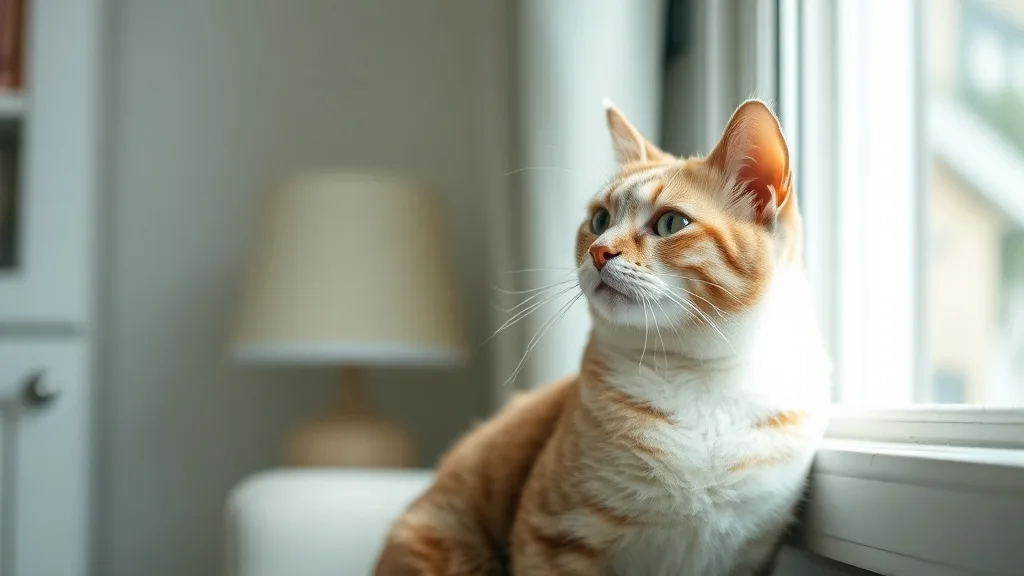
Administering medication to elderly cats can be a challenging and often stressful process—for both the cat and the caregiver. Senior cats are frequently dealing with multiple health issues, like kidney disease or arthritis, requiring regular medication. However, their age and temperament may make them resistant to taking pills, liquids, or injections. This article provides practical, step-by-step best practices for giving medication to your aging feline companion with minimal stress, ensuring their comfort and treatment effectiveness.
Understanding the Challenges of Medicating Senior Cats
Older cats often have different health needs and sensitivities compared to younger cats. Issues like reduced kidney function or joint pain make consistent medication critical, but also mean a gentler touch is necessary. They may be less tolerant of physical handling or new routines, so patience and preparation are essential.
Common challenges include:
- Resistance or fear of the medication process
- Difficulty swallowing pills or liquids
- Handling joint pain or arthritis when restraining
- Stress from vet visits or new environments
- Changes in appetite or behavior impacting easy administration
Knowing these hurdles will help you approach the task in a way that prioritizes your cat’s physical comfort and reduces emotional stress.
See also: Tips for Reducing Stress in Elderly Cats at Veterinary Visits
Best Practices for Administering Medication to Elderly Cats: Step-by-Step
Here are practical steps to help you smoothly integrate medication into your senior cat’s routine.
1. Prepare the Medication Correctly
- Follow instructions: Use the proper dosage and form prescribed by your vet. Some pills can be crushed or hidden in food; others must be given whole.
- Ask about alternatives: If swallowing pills is a struggle, inquire about liquid forms or injectable medications.
- Use renal-friendly nutrition: When offering medicines with food, avoid products high in phosphorus or protein if your cat has kidney concerns. Opt for vet-recommended renal diets to maintain kidney health without compromising medication effectiveness.
2. Choose the Right Time and Setting
- Pick a quiet, familiar spot with minimal distractions.
- Administer medicine at regular times to create a routine your cat can anticipate.
- Try to do this when your cat is calm, such as after a nap or meal.
3. Use Gentle Restraint Techniques
- Avoid force or aggressive handling, which increases fear and resistance.
- Wrap your cat gently in a soft towel (“the kitty burrito”) to limit movement while keeping them comfortable.
- Support their head and neck to safely prevent sudden movements.
4. Administer Medication Efficiently
- For pills:
- Tilt the head back gently, open the lower jaw, and place the pill as far back on the tongue as possible.
- Close the mouth quickly and stroke the throat or blow gently on the nose to encourage swallowing.
- For liquids:
- Use a syringe without a needle, placing it beside the cheek and slowly squirting liquid to prevent choking.
- If hiding medication in food, ensure your cat consumes the entire portion to get the full dose.
5. Reward and Comfort Your Cat Afterwards
- Offer a favorite treat or extra petting to create positive associations.
- Speak softly and reassure them to reduce anxiety around future dosing.
- Monitor for any distress or refusal in subsequent tries.
6. Coordinate with Your Veterinarian for Difficult Cases
- If your cat refuses meds consistently, or you notice signs of illness or side effects, consult your vet. They may suggest alternative formulations, compounding pharmacies, or specialized assistance.
- Discuss joint pain management and nutritional support to make handling easier.
Comparison Table: Medication Forms and Their Suitability for Elderly Cats
| Medication Form | Ease of Administration | Suitability for Cats with Arthritis | Stress Level for Cat | Notes |
|---|---|---|---|---|
| Pills/Tablets | Moderate | Low (hard to open mouth, swallow) | High | May be hidden in food but not always accepted |
| Liquid | Easier than pills | Moderate (requires syringe use) | Moderate | Good for cats who swallow poorly, but can cause choking if given quickly |
| Injections | Requires vet or training | Best (no mouth handling needed) | Low to Moderate | May require vet visits or training for home injections |
| Topical | Easiest | Best | Low | Applied to skin or ears, minimal resistance |
| Compounded Medications (flavored liquids or gels) | Moderate to Easy | Moderate | Moderate | Customized by pharmacies for palatability |
Tips for Reducing Stress Around Vet Visits and Medication
- Schedule appointments during quiet times to avoid crowded waiting rooms.
- Bring familiar bedding or toys for comfort.
- Maintain a calm demeanor yourself as cats pick up on their owner’s anxiety.
- Request gentle handling or sedation options if the vet visit is particularly stressful.
- Consider using pheromone sprays or diffusers at home and in transport carriers.
Supporting Joint Mobility and Litter Accessibility While Medicating
Arthritis can make handling and medication stressful. To ease this:
- Use soft towels to cushion during administration.
- Provide litter boxes with low entry points for easier access and to avoid accidents during painful movement.
- Regular light exercise and joint supplements (under vet guidance) can improve mobility.
Understanding When End-of-Life Comfort Care Becomes Priority
In some seniors, administering medications can become a source of distress and diminished quality of life. Recognizing when treatment is causing more harm than good is difficult but important.
Signs it may be time to discuss comfort care with your vet include:
- Persistent refusal to eat or take medication
- Increased hiding or avoidance behaviors
- Noticeable decline in mobility or enjoyment
- Repeated episodes of distress after medication or vet visits
Discuss humane, gentle alternatives focused on pain relief, hydration, and familiar comfort.
Frequently Asked Questions
Q: How can I tell if my elderly cat is swallowing the medication properly?
A: Look for signs like lingering pill fragments, food left uneaten, or coughing. Mixing medication in a small amount of tasty food and observing whether your cat finishes it can also help confirm ingestion.
Q: What if my cat spits out or vomits the medication?
A: Contact your vet—this could mean the medication is not tolerated or the dosage/form needs adjustment. Trying different administration methods or flavors may resolve this.
Q: Can I give human pain medication to my senior cat?
A: Never give human medications without veterinary advice. Many human drugs are toxic to cats, especially seniors with kidney or liver issues. Always consult your vet first.
Administering medication to elderly cats is a careful balance of patience, technique, and compassion. By following these best practices, you can ensure your senior cat receives the care they need while minimizing stress and discomfort for both of you.
Our picks worth a closer look
- Неmp Oil for Dogs Cats (2 Packs), Organic Pet Calming Drops Anxiеty Relief & StrCheck on Amazon → — see current price and specs.
- Pawvotum Glucosamine for Cats, Pet vitamins and supplements with Chondroitin, MSCheck on Amazon → — see current price and specs.
- RiRywony Health 2 Pack Hemp Oil for Dogs & Cats- Helps Pets with Аnxiety, Pаin, Check on Amazon → — see current price and specs.
- Stand Assist Aid for Elderly Chair Couch Standing Aids and Supports Hip Knee SurCheck on Amazon → — see current price and specs.
- 2Pack Hemp Oil for Dogs & Cats, Anxiety & Stress Relief Drops with Omega 3-6-9,HCheck on Amazon → — see current price and specs.