
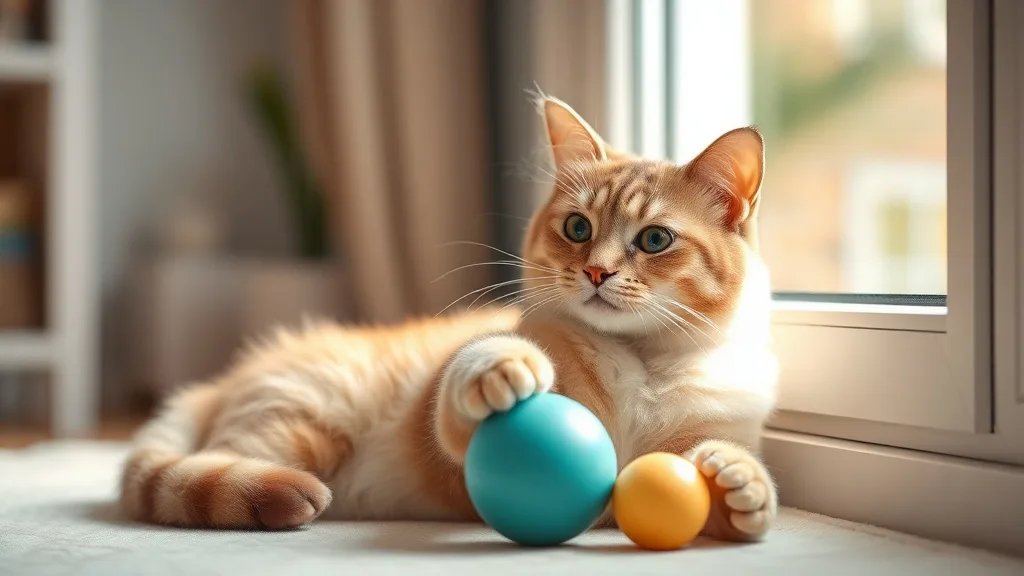
Senior cats, those graceful friends aged 10 and up, often slow down and need gentler forms of play that respect their changing bodies and energy levels. If you’re struggling to find toys that engage your older cat without risking joint strain or stress, this article guides you through the best options to encourage gentle play while supporting their wellbeing.
What Gentle Play Means for Senior Cats
As cats age, their mobility and stamina decline. Joints stiffen and energy reserves diminish, making intense play or sudden movements potentially painful or unsafe. Gentle play focuses on low-impact, mentally stimulating activities that maintain a senior cat’s muscle tone and cognitive skills without risking discomfort. From interactive toys to soothing movement prompts, the goal is to spark interest and joy adaptively.
See also: Tips for Encouraging Senior Cats to Stay Active Indoors
How Gentle Toys Support Senior Cat Health
Toys designed for gentle play usually:
- Encourage slow, controlled movements instead of rapid bursts.
- Stimulate natural hunting instincts in a mild way.
- Provide mental enrichment to help prevent cognitive decline.
- Include textures and sizes easy for older cats to manipulate without frustration.
Choosing the right toys can help maintain joint mobility, reduce stress, and strengthen your bond by adapting playtime to your cat’s capabilities.
Top 6 Toys to Encourage Gentle Play in Senior Cats
Here’s a ranked list of toys that balance engagement with safety and comfort for older felines. Each entry includes rationale and tips for use.
1. Soft Plush Mice or Small Stuffed Toys
- Why: Plush toys with lightweight stuffing are easy to bat, carry, and cuddle without requiring fast pounces.
- Use: Toss gently for your cat to chase or simply place nearby for independent exploration.
- Benefits: Mimics prey without harsh movements; comforting textures reduce anxiety.
2. Feather Wands with Soft Handles
- Why: Long wand toys allow for slow, guided play that keeps your distance so your cat can pounce with minimal joint stress.
- Use: Move feathers slowly along the floor or wave gently above your cat’s reach to encourage focused attention and movement.
- Benefits: Stimulates predatory instincts with controlled exertion; interactive and social.
3. Laser Pointers with Adjustable Speed
- Why: Laser light provides excitement and exercise without any physical weight to manipulate.
- Use: Keep the dot moving slowly and predictably; always end with a visible tangible toy so your cat can “catch” something.
- Benefits: Promotes mild cardio; mental stimulation through chasing; low-impact and space-efficient.
4. Puzzle Feeders and Treat Dispensers
- Why: These toys focus on cognitive engagement rather than physical activity to maintain sharpness and curiosity.
- Use: Load with renal-friendly treats or kibble appropriate for senior cats; monitor play duration.
- Benefits: Keeps the mind active; encourages slower eating; avoids stress on joints.
5. Rolling Balls with Soft Surfaces
- Why: Lightweight balls that move easily catch the interest of senior cats and encourage batting motions without heavy exertion.
- Use: Roll the balls across carpet or linoleum; avoid hard surfaces that might cause slipping.
- Benefits: Supports gentle paw use and coordination; ideal for short play bursts.
6. Catnip-Infused Cushions or Small Pillows
- Why: Catnip encourages relaxed behavior and playful sniffing or kneading movements.
- Use: Offer as resting spots or gentle play toys; rotate regularly to maintain effect.
- Benefits: Reduces stress; promotes slow, soothing play without intense chasing or jumping.
Comparison Table: Features and Suitability of Gentle Toys for Senior Cats
| Toy Type | Physical Activity Level | Mental Stimulation | Joint Safety | Interaction Type | Ideal Play Setting |
|---|---|---|---|---|---|
| Plush Mice | Low | Moderate | Excellent | Solo/Interactive | Indoors, resting spots |
| Feather Wand | Moderate | High | Good | Interactive | Quiet indoor room |
| Laser Pointer | Low-Moderate | Very High | Excellent | Interactive | Open floor area |
| Puzzle Feeders | Very Low | Very High | Excellent | Solo | Feeding time or slow play |
| Rolling Balls | Low | Moderate | Good | Solo/Interactive | Carpeted floor, indoors |
| Catnip Cushions | Very Low | Low | Excellent | Solo | Sleeping/resting area |
Tips for Encouraging Gentle Play in Your Senior Cat
- Observe your cat’s behavior carefully. Notice which toys trigger enthusiasm without signs of discomfort.
- Short, frequent play sessions work best. Avoid overexertion by keeping activities under 10-15 minutes.
- Adapt the environment. Make sure flooring isn’t slippery, and toy areas are quiet and close to their favorite resting places.
- Rotate toys regularly to maintain novelty and interest.
- Combine play with affection. Use gentle petting or brushing before and after play to keep your cat relaxed and engaged.
- Monitor for signs of pain or stress, like limping, vocalizing, or hiding, and adjust activities accordingly.
- Incorporate gentle stretching exercises recommended by your vet, often through play movement.
When to Introduce New Toys to Senior Cats
You can introduce gentle toys anytime but be careful during times of illness, post-surgery, or during flare-ups of arthritis. Talk to your vet about the best timing. Also, new toys are excellent during mild declines in activity to encourage movement and mental engagement as a preventive measure.
Common Pitfalls to Avoid
- Overly complex or small toys can frustrate older cats or pose swallowing hazards.
- Fast or jerky toys (like aggressive feathers or large balls) may cause joint strain.
- Ignoring mobility restrictions. Not all cats can jump or chase; adapt play accordingly.
- Toys left unattended. Supervision reduces risks of swallowing small parts or ingesting stuffing.
- Not factoring in health conditions. Renal health, dental issues, or sensory decline require tailored toy choices.
Frequently Asked Questions
Q: Can senior cats still enjoy active play?
A: Absolutely, but activities should be low-impact and adjusted to their capabilities to avoid joint pain or fatigue.
Q: How often should I engage my senior cat in play?
A: Short sessions (around 10–15 minutes) a few times a day usually work well for maintaining interest without overexertion.
Q: Are there toys better suited for cats with arthritis?
A: Yes, toys that stimulate mental engagement with minimal physical effort, like puzzle feeders or slow feather wands, are ideal to avoid worsening joint pain.
By choosing appropriate gentle toys and tailoring sessions with care, you help your senior cat stay active, happy, and comfortable in their golden years. Playtime doesn’t have to fade with age — it just needs to evolve gently.
Our picks worth a closer look
- Dog Ramp for Stairs - Dog Steps-Anti-Slip Foam Stair Wedges for Small & Senior DCheck on Amazon → — see current price and specs.
- Pawvotum Glucosamine for Cats, Pet vitamins and supplements with Chondroitin, MSCheck on Amazon → — see current price and specs.
- 2Pack Hemp Oil for Dogs & Cats, Anxiety & Stress Relief Drops with Omega 3-6-9,HCheck on Amazon → — see current price and specs.
- Royal Canin Aging 12+ Dry Cat Food 7 lbCheck on Amazon → — see current price and specs.
- Feliway Classic Starter Kit Plug-In Diffuser and Refill 48mlCheck on Amazon → — see current price and specs.