
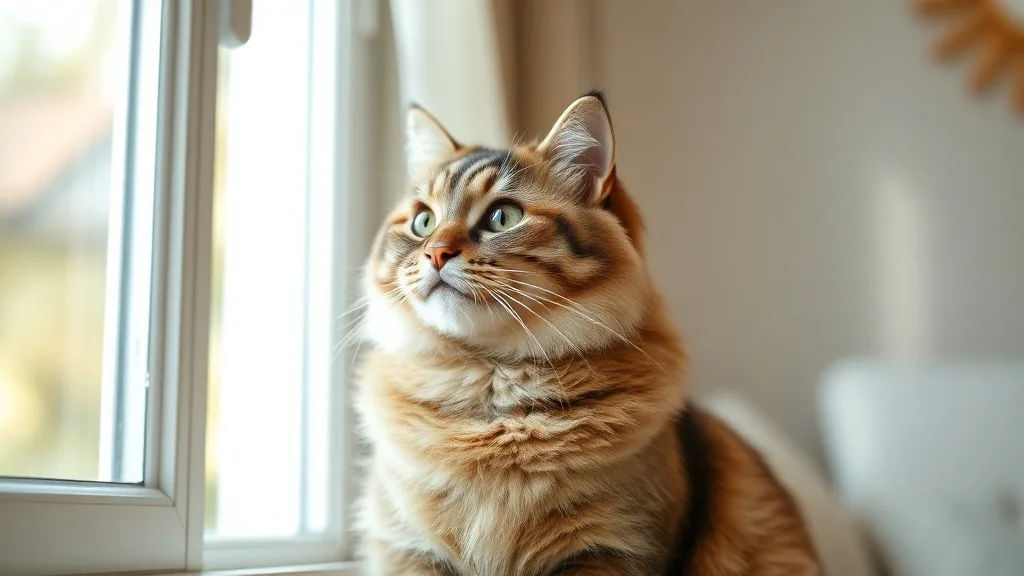
Choosing the Best Cat Food Brands for Senior Felines
If you have a senior cat, you know the importance of adjusting their diet to meet their changing health needs—especially when it comes to supporting kidney health, maintaining joint mobility, and providing balanced nutrition without excess calories. However, with so many cat food options labeled for seniors, it can be overwhelming to identify which brands truly prioritize renal-friendly ingredients, digestion ease, and overall wellness. This guide will help you understand what to look for in senior cat foods and compare some common options based on nutritional needs and practical feeding scenarios.
See also: 16. Prescription vs store brand senior food: when the difference matters
What Is Senior Cat Food?
Senior cat food is specially formulated to address the unique nutritional requirements of cats aged 10 years and above. As cats age, their metabolism slows, their kidneys may weaken, and they might develop joint stiffness. Senior-specific diets aim to:
- Support kidney function with controlled protein and phosphorus levels.
- Maintain healthy body weight by adjusting calories.
- Include joint-supporting nutrients, such as omega-3 fatty acids.
- Provide easily digestible ingredients.
- Deliver balanced vitamins and minerals suitable for aging metabolisms.
These diets can come in wet or dry forms, with wet food generally offering higher moisture content to support hydration and kidney health.
How Senior Cat Food Supports Aging Cats
Renal-Friendly Nutrition
Kidneys often deteriorate with age, so senior cat food brands typically moderate protein and phosphorus content to reduce kidney workload. They also boost hydration levels, often through adding moisture in wet foods.
Joint Mobility
Aging joints benefit from ingredients like omega-3 fatty acids (EPA and DHA), glucosamine, and chondroitin. Some senior formulas include these to support cartilage health and reduce inflammation.
Caloric Control
While younger cats may require more calories for their energy, senior cats often gain weight if given the same amount. Senior cat foods usually have adjusted calorie levels to help keep cats lean and prevent obesity-related complications such as diabetes and arthritis.
Digestive Support
Older cats may struggle with digestion, so premium senior diets use high-quality proteins and added fiber to improve gut health and stool consistency.
When to Use Senior Cat Food
Switch your cat to a senior diet once they reach around 10 years old or when you notice signs of aging such as:
- Reduced activity or stiffness
- Weight fluctuations
- Changes in appetite
- Early signs of kidney issues (more frequent urination, increased thirst)
- Digestive sensitivity
Consult your vet for personalized timing, especially if your cat has health issues like kidney disease or arthritis.
Common Pitfalls in Choosing Senior Cat Foods
- Ignoring ingredient details: Not all “senior” labeled foods truly meet specific needs like renal support or joint health.
- Choosing dry food exclusively: Older cats can dehydrate easily. A solely dry diet might worsen kidney stress.
- Feeding based on marketing: Avoid relying solely on buzzwords; check nutrient profiles relevant to your cat.
- Sticking to one brand rigidly: Flexibility is key; some cats respond better to alternative diets as they age.
- Not monitoring weight and mobility: Even senior foods need portion management and observation.
Comparison of Senior Cat Food Options
Here’s a general comparison of typical senior cat food forms and features to consider:
| Feature | Wet Senior Cat Food | Dry Senior Cat Food | Mixed Feeding Approach |
|---|---|---|---|
| Moisture Content | High (70-80%) helps hydration | Low (<10%) may risk dehydration | Balanced hydration and convenience |
| Protein Control | Moderate, easier to digest | Often contains more protein | Can balance protein levels |
| Phosphorus Levels | Usually controlled for kidneys | Varies widely | Depends on chosen products |
| Joint Support | Often includes omega-3s | May or may not include supplements | Can adjust supplement intake |
| Caloric Density | Generally lower, helps weight control | Often calorie-dense | Can tailor calories per cat need |
| Feeding Convenience | Needs refrigeration after opening | Convenient, shelf-stable | Flexible feeding schedule |
| Dental Health | Soft texture less abrasive | Dry food offers mild dental benefits | Can combine for balanced care |
How to Choose the Best Brand: Key Factors
When selecting the best senior cat food brand, focus on these critical factors:
1. Ingredient Transparency
Look for brands that clearly disclose ingredient sources, nutrient profiles, and guaranteed analysis for protein, phosphorus, fats, and fiber.
2. Renal Health-Focused Formulas
Prioritize brands offering senior diets with moderate high-quality protein, controlled phosphorus, and added antioxidants that help kidney health.
3. Joint Health Ingredients
Ensure the food contains omega-3 fatty acids from fish oil or flaxseed and see if glucosamine/chondroitin are included or can be supplemented.
4. Palatability and Texture
Senior cats often develop dental issues; softer wet foods may be easier to eat but combine with dry options if dental care is a priority.
5. Vet Recommendations and Assessments
Brands that partner with veterinary nutritionists usually have more scientifically supported formulations.
6. Price and Accessibility
Consider affordable options or reputable third-party refill-compatible brands that maintain quality without breaking the bank.
Sample Ranking of Senior Cat Food Brand Types (No Brand Names)
| Rank | Feature Priority | Best For | Trade-Offs |
|---|---|---|---|
| 1 | Renal support + palatability | Cats with early kidney issues | Typically wet foods, higher price |
| 2 | Joint support + weight control | Active seniors with arthritis | Protein control less strict |
| 3 | Digestive ease + calorie control | Cats with sensitive stomachs | May lack joint supplements |
| 4 | Budget-friendly balanced care | Every day senior maintenance | May not specialize per health need |
Practical Tips for Feeding Senior Cats
- Transition gradually over 1-2 weeks to new senior food to avoid digestive upset.
- Incorporate both wet and dry food if possible to balance hydration with dental benefits.
- Monitor your cat’s body condition monthly and adjust portions to avoid weight gain or loss.
- Consult your vet annually to revise diet based on blood work and mobility.
- Provide fresh water at all times and consider a water fountain if your cat prefers it.
Frequently Asked Questions
Q: When should I switch my cat to senior food?
A: Most cats benefit from switching around 10 years of age or earlier if health issues arise. Always consult your vet for personalized guidance.
Q: Is wet or dry senior cat food better?
A: Wet food is generally better for hydration and kidney health, while dry food can support dental health. A mixed feeding approach often works best.
Q: Can I supplement joint-supporting nutrients separately?
A: Yes, especially if the food lacks glucosamine or omega-3s. Discuss supplements with your vet to ensure safe, appropriate dosing.
Choosing the right food for your senior cat requires balancing their unique health needs—from kidney-care to joint comfort—and practical feeding considerations. Focus on ingredient quality, appropriate nutrient levels, and your cat’s preferences to make aging a comfortable, healthy phase in their life.
Our picks worth a closer look
- Royal Canin Aging 12+ Dry Cat Food 7 lbCheck on Amazon → — see current price and specs.
- Delectables Lickable Treat Gravy Senior 10+ Variety Wet Cat Treat & Food Topper,Check on Amazon → — see current price and specs.
- Feliway Classic Starter Kit Plug-In Diffuser and Refill 48mlCheck on Amazon → — see current price and specs.
- PetSafe Drinkwell Platinum Pet Water Fountain 168ozCheck on Amazon → — see current price and specs.
- K&H Pet Products Thermo-Kitty Heated Cat Bed Small MochaCheck on Amazon → — see current price and specs.