
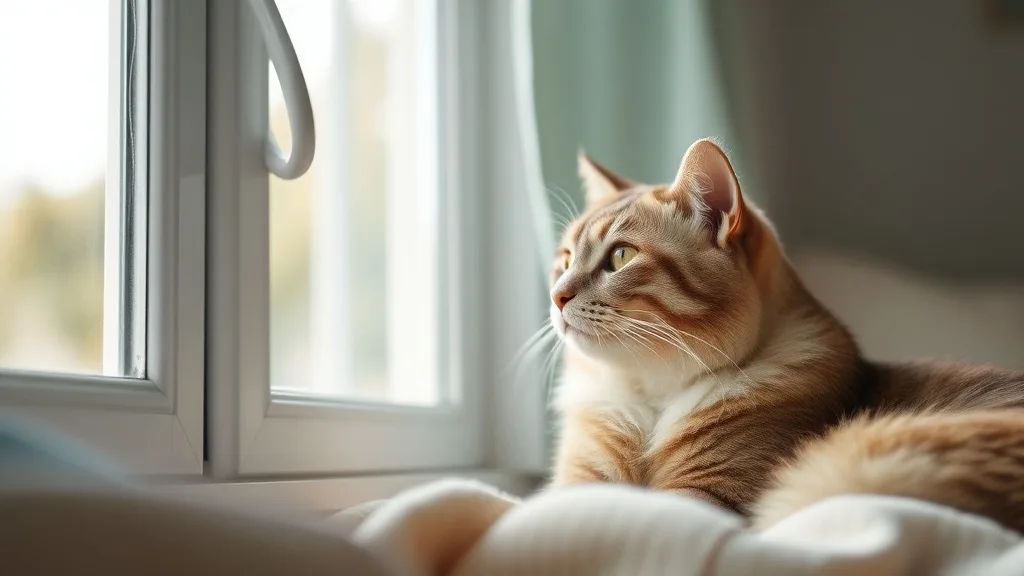
Creating a Safe Indoor Environment for Elderly Cats
If you have an elderly cat, you know how quickly their needs change as they age. From reduced mobility and special dietary requirements to lower tolerance for stress, the indoor environment that once worked well for your cat may now contribute to discomfort or health complications. Creating a safe, accessible, and supportive living space specifically tailored to senior cats (10+ years) is essential for their well-being and quality of life. This article explores the key elements you need to consider when adapting your home for your aging feline friend.
What It Is: A Senior Cat–Friendly Indoor Environment
A senior cat–friendly indoor environment is a home setup designed to accommodate the physical, cognitive, and emotional changes older cats experience. Unlike younger cats who may jump on high shelves or tolerate busy spaces, elderly cats benefit from a lower-stress, easier-to-navigate habitat that considers:
- Mobility limitations due to arthritis or muscle loss
- Sensory decline, including reduced vision or hearing
- Renal-friendly and joint-supportive diet requirements
- Comfort and security needs as cats age and become more vulnerable
- Ease of litter box use due to stiffness or weak joints
See also: Creating a Warm and Cozy Bed for Senior Cats’ Comfort
How It Works: Key Strategies to Create and Maintain Safety and Comfort
As cats age, subtle changes in behavior may signal discomfort or confusion. Proactively adjusting your home can prevent accidents, lower stress, and extend your cat’s independence.
1. Provide Easy Access to Food and Water with Renal-Friendly Nutrition
Many elderly cats develop chronic kidney disease, and diet plays a crucial role in managing this. Place water bowls and feeding stations in quiet, low-traffic areas close to your cat’s favorite resting spot. Consider wet or specially formulated senior food that supports kidney health and joint function.
- Use multiple water sources to encourage hydration.
- Opt for shallow dishes to reduce strain on whiskers and joints.
2. Improve Joint Mobility with Thoughtfully Placed Furniture
Arthritis and muscle stiffness can make jumping and climbing painful. Lower ramps or steps leading to favorite sleeping areas or windowsills help maintain activity without risking injury.
- Soft bedding with orthopedic support helps alleviate pressure points.
- Avoid slippery surfaces; use rugs or mats to improve traction.
3. Create a Low-Stress Environment for Vet Visits and Daily Life
Elderly cats are more sensitive to stress, which can exacerbate medical issues. Ensure the home environment is calm, quiet, and stable.
- Use pheromone diffusers that help calm cats.
- Maintain routine feeding and cleaning times.
- Prepare a safe and comfortable carrier for veterinary visits, with familiar blankets and minimal disturbance.
4. Make the Litter Box More Accessible
Stiffness and cognitive decline may cause older cats to miss the litter box if it is difficult to access.
- Use low-sided litter boxes for easier entry.
- Provide multiple boxes located on each floor of your home, especially near resting areas.
- Choose gentle, dust-free litter to avoid respiratory irritation.
5. Monitor and Adapt for End-of-Life Comfort Care
Eventually, special consideration for end-of-life comfort is necessary, including pain management, hydration support, and ensuring warmth and companionship with minimal disruptions.
- Set up a low-stress sanctuary space with soft bedding.
- Use timed feeding or medication reminders.
- Pay attention to behavioral changes signaling distress or discomfort.
When to Use These Strategies
Start implementing these adjustments as soon as your cat reaches senior status (around 10 years) or shows any physical or behavioral signs of aging. Early interventions can greatly enhance mobility and comfort, reduce anxiety, and prevent injuries.
Common Pitfalls to Avoid
- Ignoring subtle behavior changes: Small shifts in activity or mood often precede health issues.
- Using high-sided litter boxes: Difficult for arthritic cats to access.
- Positioning food and water far from resting areas: Discourages eating and drinking.
- Adding too many environmental changes at once: Sudden changes raise stress levels; introduce modifications gradually.
- Neglecting regular vet checks: Senior cats often need biannual or quarterly evaluations to manage chronic conditions.
Comparison Table: Senior Cat Environment Features and Benefits
| Feature | Benefit | Suitable Scenario | Potential Drawback |
|---|---|---|---|
| Low-sided litter box | Easy entry, reduces joint pain | Cats with arthritis or motor skill decline | Might increase litter tracking |
| Orthopedic cat bed | Pressure relief, warmth | Cats with arthritis or discomfort | Higher cost compared to regular beds |
| Water fountains/multiple sources | Encourages hydration | Cats with kidney disease or low water intake | Requires regular cleaning and maintenance |
| Ramps and steps | Safe access to favorite areas | Cats that struggle with jumping | Takes up space, may require training |
| Pheromone diffusers | Reduces anxiety | Cats sensitive to environmental changes | Ineffective for some cats |
| Multiple litter boxes | Reduces accidents | Multi-level homes or large living spaces | Requires additional cleaning effort |
Final Thoughts
Aging cats face unique challenges that can be effectively managed with thoughtful, dedicated environmental modifications. A combination of renal-friendly diet placement, accessible litter boxes, joint-supportive furniture, and low-stress surroundings contributes greatly to your senior cat’s comfort and security. Regular vet visits and careful observation ensure these adaptations remain appropriate as your cat’s needs evolve.
Creating a safe indoor environment is a loving investment that honors your cat’s senior years with dignity and care.
Frequently Asked Questions
Q: How often should I take my senior cat to the vet?
A: Generally, senior cats benefit from veterinary visits every 6 months or more frequently if health issues arise.
Q: Can I keep my senior cat exclusively indoors?
A: Yes, indoor living reduces risks such as infection and injury, important for fragile senior cats.
Q: How do I know if my cat is in pain from arthritis?
A: Watch for reduced jumping, limping, decreased grooming, or irritability, which may indicate joint pain needing veterinary care.
Our picks worth a closer look
- RIZZARI 20 * 20 * 8 Inches Small Cat Tunnel Bed, Peekaboo Cat Cave for Indoor CaCheck on Amazon → — see current price and specs.
- 2Pack Hemp Oil for Dogs & Cats, Anxiety & Stress Relief Drops with Omega 3-6-9,HCheck on Amazon → — see current price and specs.
- Dog Ramp for Stairs - Dog Steps-Anti-Slip Foam Stair Wedges for Small & Senior DCheck on Amazon → — see current price and specs.
- Dog Ramp for Stairs – Non-Slip Pet Ramp for Small, Short-Legged & Senior Dogs – Check on Amazon → — see current price and specs.
- Неmp Oil for Dogs Cats (2 Packs), Organic Pet Calming Drops Anxiеty Relief & StrCheck on Amazon → — see current price and specs.