
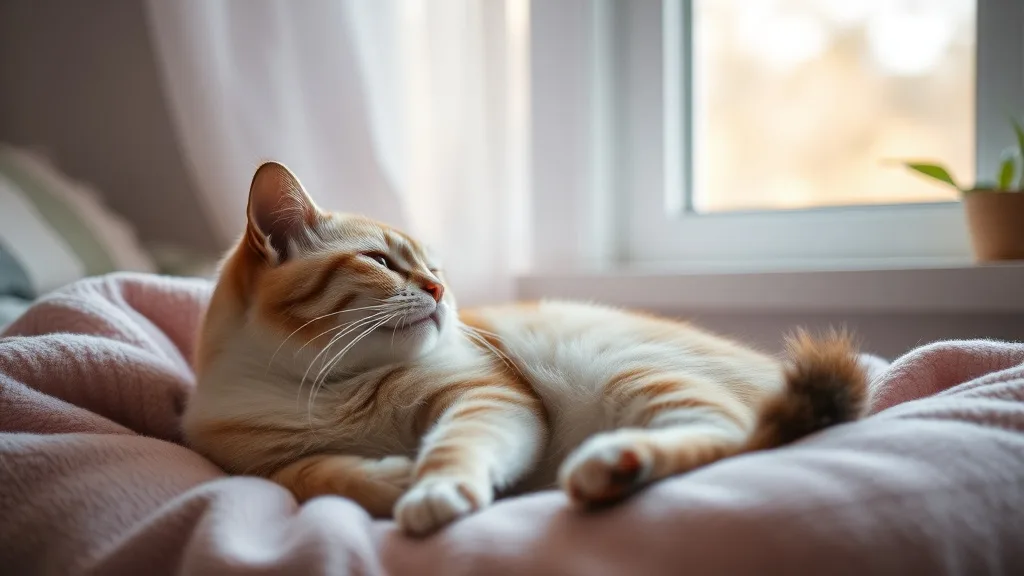
Creating a Warm and Cozy Bed for Senior Cats’ Comfort
If you have a senior cat aged 10 or older, you know that their needs change dramatically as they age. One of the most pressing challenges is providing them a comfortable, warm, and accessible resting space that supports joint health and eases mobility issues without adding stress to their daily routine. Senior cats can become stiff and sensitive to cold, and they often prefer quiet, secure places to retreat. Creating a warm and cozy bed tailored to these changing needs can significantly improve their quality of life.
What a Warm and Cozy Bed Means for Senior Cats
Senior cats face several physical challenges: arthritis and joint stiffness, decreased body fat affecting heat retention, and sometimes diminished eyesight or hearing that makes unfamiliar environments stressful. A “warm and cozy” bed for a senior cat is more than just a soft blanket—it’s a thoughtfully designed refuge that addresses these age-related changes.
Key features of an ideal senior cat bed:
- Thermal insulation: Retains and reflects the cat’s body heat.
- Joint-friendly support: Cushions painful areas without being too firm.
- Accessibility: Easy for cats with limited mobility to enter and exit.
- Security: Offers a semi-enclosed or high-sided design to reduce anxiety.
- Ease of cleaning: To maintain hygiene without disturbing the cat.
How to Create a Senior Cat Bed in 7 Practical Steps
-
Choose the Right Location
Warmth from the environment complements the bed’s design. Place your cat’s bed in a draft-free, low-traffic area away from direct sunlight but near familiar family spaces. Avoid locations near noisy appliances or near litter boxes to reduce stress. -
Pick Suitable Bedding Material
Opt for soft, breathable fabrics with insulating properties. Fleece and microfiber are excellent for heat retention and softness, while cotton or bamboo blends breathe better in mild temperatures. Add gentle padding such as memory foam or orthopedic foam to ease joint discomfort. -
Incorporate a Heat Source (With Caution)
In colder climates or for cats especially sensitive to cold, using a low-heat heating pad specifically designed for pets can be beneficial. Ensure it has an automatic shut-off and low-voltage safety features. Alternatively, self-warming mats reflect your cat’s body heat safely without electricity. -
Design for Accessibility
Senior cats may have trouble jumping into high-sided beds or deep entrances. Beds with low thresholds, ramps, or no sidewalls at all can prevent frustration. Test the bed height easily fits your cat’s size and mobility level. -
Add Soft, Washable Liners
Layers keep the bed fresh and can be changed frequently. Choose machine-washable liners and external covers for hygiene. Seniors may have occasional accidents due to incontinence or illness; washable bedding simplifies clean-ups. -
Include Familiar Scents and Comfort
Place a soft blanket or old t-shirt that smells like you inside the bed to provide emotional reassurance. Comfort smells can reduce anxiety and encourage use of the bed. -
Make Multiple Cozy Spots
Cats naturally like options. Set up two or three accessible beds in different locations catering to warmth, quiet, and family proximity. This helps your senior cat find the perfect spot depending on mood and energy level.
Comparison Table: Bed Types for Senior Cats
| Feature | Orthopedic Foam Bed | Self-Warming Pad Bed | Enclosed Cave Bed | Heated Electric Bed |
|---|---|---|---|---|
| Thermal Insulation | Medium (relies on room temp) | High (reflects body heat) | High (traps heat inside) | Very High (active heating) |
| Joint Support | Excellent (memory foam) | Moderate | Moderate | Good if foam base included |
| Accessibility | High (open design) | High (thin pad) | Low (high walls) | Moderate (varies by design) |
| Ease of Cleaning | Medium (foam core is tricky) | Easy (machine washable pad) | Moderate (lined covers) | Moderate (covers washable) |
| Safety Concerns | Low | Very low | Low | Requires supervision & care |
| Ideal Scenario | Cats with severe arthritis | Cats needing extra warmth | Anxious cats needing security | Cold climates, severe chill |
When to Update or Change Your Senior Cat’s Bed
Cats can live 15 years or more, and their needs evolve as they age and their health changes. Signs that your senior cat’s bed needs updating:
- The bed is no longer warm or supportive enough as arthritis progresses.
- Your cat has trouble entering or exiting the bed.
- There are frequent accidents or stains making cleaning difficult.
- Your cat starts avoiding the bed or appears restless during rest.
- You notice new mobility limitations or temperature sensitivities.
Common Pitfalls to Avoid When Setting Up Senior Cat Beds
- Ignoring environmental temperature: Even the best bed won’t keep a senior cat cozy if placed in a cold draft.
- Using materials that retain moisture: Avoid pillows or blankets that stay damp, as senior cats are prone to infections.
- Overheating: Active heating pads can cause burns or discomfort — always use pet-safe, low-voltage options with timers or thermostats.
- Making beds inaccessible: High walls or tall sidewalls are often a barrier for stiff arthritic cats.
- Not providing multiple options: Limiting your cat to one bed can cause stress or boredom.
Putting It All Together: Practical Examples
-
Molly, a 13-year-old with arthritis, prefers a memory foam bed with low sides placed near a sunny window she can easily jump into. Her owner added a self-warming mat on top in winter and rotates washable fleece blankets weekly.
-
Shadow, a 10-year-old indoor/outdoor tabby, has developed mild kidney disease and feels unusually cold. A cave-style bed lined with a self-warming pad was placed in a quiet corner with an old sweatshirt inside for scent comfort. The entrance was enlarged to improve access.
-
Bella, a shy 15-year-old cat with mobility issues, uses a plush orthopedic bed at floor level with no sidewalls to simplify entry. Multiple beds are placed around the house, including one near the food and water station for easy access.
Ensuring these tailored choices helps reduce stress, improves rest quality, and supports physical health.
Frequently Asked Questions
Q: How often should I wash my senior cat’s bed?
A: Ideally, wash bedding every 1-2 weeks or immediately after any accidents to maintain hygiene and reduce odors that might discourage your cat from using it.
Q: Can heating pads cause harm to senior cats?
A: Heating pads designed specifically for pets with low voltage and safety features are safe if used correctly. Avoid pads intended for human use, and never leave the heater on unattended for long periods.
Q: What’s the best way to encourage a senior cat to use a new bed?
A: Place familiar-smelling items in the bed, keep it in a quiet and warm location, and avoid moving their favorite beds abruptly. Positive reinforcement with treats or gentle petting nearby can help make the new bed inviting.
Providing your senior cat with a warm and cozy bed tailored to their changing needs is one of the most rewarding ways to support their comfort and well-being in their golden years. Thoughtful bedding solves multiple challenges: temperature regulation, joint pain relief, accessibility, and security, allowing your beloved companion peaceful and restful days.
See also: Creating a Safe Indoor Environment for Elderly Cats
Our picks worth a closer look
- K&H Pet Products Thermo-Kitty Heated Cat Bed Small MochaCheck on Amazon → — see current price and specs.
- Pawvotum Glucosamine for Cats, Pet vitamins and supplements with Chondroitin, MSCheck on Amazon → — see current price and specs.
- RINGCO Pet Heating Pad for Cats & Small Dogs with 12 Adjustable Temperature, WatCheck on Amazon → — see current price and specs.
- RIZZARI 20 * 20 * 8 Inches Small Cat Tunnel Bed, Peekaboo Cat Cave for Indoor CaCheck on Amazon → — see current price and specs.
- 2Pack Hemp Oil for Dogs & Cats, Anxiety & Stress Relief Drops with Omega 3-6-9,HCheck on Amazon → — see current price and specs.