
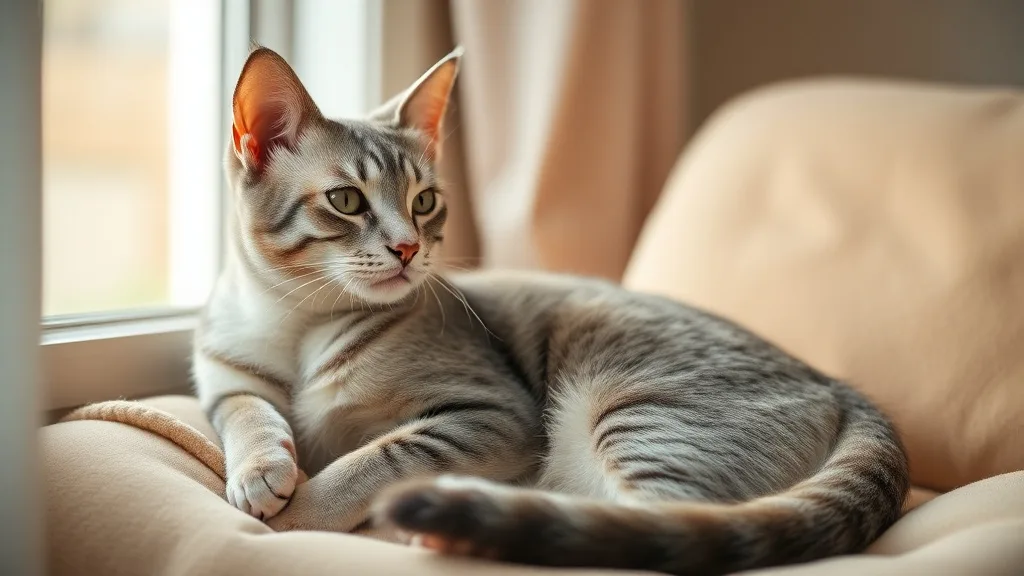
Creating Comfortable Living Spaces for Aging Silvertail Cats
As your beloved silvertail cat enters their senior years, typically around 10 years and older, you may notice changes in their behavior, mobility, and overall comfort. Older cats often face distinct challenges such as joint stiffness, compromised kidney function, and increased sensitivity to stress. These changes mean that their living spaces need thoughtful adjustments to support their health and happiness. This guide will help you create a comfortable, safe, and enriching environment tailored for aging silvertail cats.
What It Is: Comfortable Living Spaces for Senior Cats
A comfortable living space for an aging cat focuses on minimizing physical strain, reducing stress, and supporting health issues common in seniors—especially renal (kidney) health, joint mobility, and anxiety. These adaptations go beyond simply providing a cozy bed. They include reconsidering feeding arrangements, litter box accessibility, environmental enrichment, and interaction routines to address the specific needs of senior felines.
See also: Creating Comfortable Living Spaces for Elderly Cats at Home
How It Works: Tailoring Your Home to Meet Aging Cat Needs
1. Optimize Nutrition Zones for Renal Health
Senior cats often develop chronic kidney disease, which requires diet modification such as reduced protein, phosphorus, and sodium. Designate feeding areas with easy access and limited competition if you have multiple cats. Use shallow bowls or elevated feeders to reduce strain on joints and help maintain hydration.
2. Maximize Litter Box Accessibility
Arthritic joints and reduced energy levels make it difficult for older cats to climb into tall litter boxes or navigate stairs. Provide litter boxes with low entry points and place them on every floor your cat frequents. Use soft, dust-free litter to promote gentle paws and respiratory comfort.
3. Support Joint Mobility
Senior cats commonly suffer from arthritis or muscle loss, making jumping and climbing painful. Create multiple low-level resting spots with soft padding, or install ramps and steps to favorite high places. Gentle daily massages and mild exercise can maintain flexibility.
4. Maintain a Low-Stress Environment
Older cats are more sensitive to stress, which can exacerbate health problems. Keep their routine consistent, minimize loud noises, and provide quiet retreats. Use pheromone diffusers if needed, and approach vet visits with extra calm and gentleness.
5. Encourage Hydration and Comfort
Kidney issues in seniors benefit from increased water intake. Place multiple water sources around the house, including water fountains or bowls with fresh water to encourage drinking. Additionally, warm, draft-free resting areas can provide comfort and ease joint stiffness.
When to Use It: Signs Your Senior Cat Needs a Comfortable Living Space Upgrade
- Difficulty jumping or climbing
- Reluctance to use existing litter boxes
- Signs of joint pain such as limping or stiffness
- Increased thirst or urination
- Stress behaviors like hiding or overgrooming
- Reduced appetite or weight loss
If you observe these, it’s time to reassess your cat’s living environment to improve comfort and quality of life.
Common Pitfalls: Mistakes to Avoid When Creating Senior Cat Spaces
- Ignoring mobility needs: Assuming your cat will continue jumping to high shelves can worsen arthritis pain.
- Overlooking litter box placement: Hard-to-access boxes reduce usage and may lead to accidents.
- Using inappropriate litter: Some litters can irritate sensitive noses or paws.
- Neglecting hydration: Not providing fresh, accessible water sources can worsen kidney issues.
- Forgetting stress factors: Unpredictable environments or loud noises add anxiety for seniors.
Comparison Table: Adaptations for Aging Silvertail Cats’ Living Spaces
| Feature | Standard Cat Environment | Adapted Senior Cat Environment | Why It Matters |
|---|---|---|---|
| Litter Box | Tall entry boxes, often one location | Low entry, multiple locations | Easier access reduces accidents and pain |
| Feeding Station | Floor bowls, possibly in noisy areas | Elevated feeders, quiet, multiple stations | Supports joint health and reduces stress |
| Resting Spots | High shelves and tight spaces | Low padded beds, ramps/stairs to high spots | Minimizes strain and encourages movement |
| Water Availability | Single bowl | Multiple bowls or water fountains, fresh water | Encourages hydration critical for kidney health |
| Environmental Stress | Variable loud noises or changes | Consistent routine, quiet areas, pheromone use | Reduces anxiety and stress-related illness |
Practical Steps to Create a Comfortable Living Space for Your Senior Silvertail Cat
- Assess Current Challenges: Identify where your cat struggles most (e.g., climbing, accessing litter or water).
- Modify Litter Boxes: Provide litter boxes with low sides and place one on each floor. Use soft, low-dust litter.
- Elevate Food and Water: Use raised feeders for easy eating. Add additional water sources, incorporating cat fountains if possible.
- Create Layered Resting Areas: Add ramps or steps to favorite high spots. Provide several soft, warm beds at varying heights.
- Maintain a Stable Environment: Keep daily routines predictable. Minimize noise and introduce pheromone diffusers in key areas.
- Incorporate Joint Health Activities: Encourage gentle play and offer massages to maintain mobility.
- Plan Low-Stress Vet Visits: Schedule appointments during quiet hours, use calming sprays, and transport in cozy carriers.
Frequently Asked Questions
Q: How do I know if my senior cat’s litter box is too difficult to use?
A: If your cat avoids the box, has accidents, or shows hesitation entering/exiting, it may be due to height or location. Try low-entry boxes on easily accessible floors.
Q: Can I give my aging cat supplements for joint health?
A: Some supplements can help, but always consult your vet before starting any joint supplements to ensure safety and appropriateness.
Q: How often should I rearrange my senior cat’s living space?
A: Seniors prefer routine and stability, so avoid frequent changes. Adjust the environment only as necessary to meet evolving needs.
Creating a supportive living space helps your aging silvertail cat maintain independence, comfort, and happiness in their golden years. Thoughtful adaptations tailored to their changing health and behavior are the best way to honor their unique needs.
Our picks worth a closer look
- RIZZARI 20 * 20 * 8 Inches Small Cat Tunnel Bed, Peekaboo Cat Cave for Indoor CaCheck on Amazon → — see current price and specs.
- 2Pack Hemp Oil for Dogs & Cats, Anxiety & Stress Relief Drops with Omega 3-6-9,HCheck on Amazon → — see current price and specs.
- Royal Canin Aging 12+ Dry Cat Food 7 lbCheck on Amazon → — see current price and specs.
- Неmp Oil for Dogs Cats (2 Packs), Organic Pet Calming Drops Anxiеty Relief & StrCheck on Amazon → — see current price and specs.
- Pawvotum Glucosamine for Cats, Pet vitamins and supplements with Chondroitin, MSCheck on Amazon → — see current price and specs.