
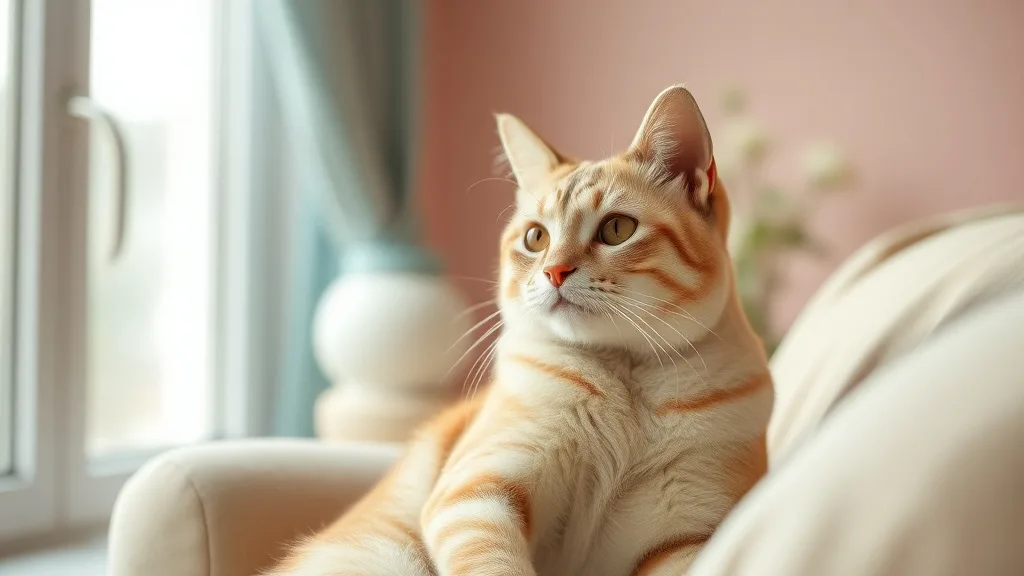
Creating Comfortable Living Spaces for Elderly Cats at Home
If your senior cat is showing signs of stiffness, reluctance to jump, or difficulty accessing their favorite spots, you’re facing a common but manageable challenge: how to create a living space that supports their comfort and health as they age. Older cats, especially those over 10 years, often need adjustments around the home to accommodate changes in mobility, kidney function, stress tolerance, and sensory abilities. This guide will walk you through the key areas to address in shaping a safe, soothing environment for your elderly feline friend.
What It Is: A Comfortable Living Space for Elderly Cats
A comfortable living space for an elderly cat is more than just a cozy bed. It’s a thoughtfully arranged environment designed to minimize stress and physical strain while encouraging natural behaviors and supporting health needs like renal-friendly hydration and joint mobility. This includes easy access to essentials such as food, water, litter boxes, resting places, and vet care supplies, all optimized for your cat’s specific condition and capabilities in later life.
How It Works: Supporting Elder Cats Through Smart Home Adjustments
As cats age, they face challenges that can impact their ability to interact with their environment. These include arthritis and joint pain that limit jumping; chronic kidney issues requiring specific dietary and hydration strategies; cognitive changes that may cause anxiety or confusion; plus decreased eyesight and hearing. By observing your cat’s behavior and identifying pain points—literally and figuratively—you can tailor your space accordingly.
Key Components of a Comfortable Elder Cat Environment
-
Renal-Friendly Nutrition and Hydration: Senior cats often develop chronic kidney disease (CKD). It’s crucial to provide food and water that support kidney health, including wet foods to increase fluid intake and multiple water stations to encourage drinking.
-
Reduced-Impact Mobility: Providing ramps, low-entry litter boxes, and padded resting places helps accommodate arthritis or joint stiffness.
-
Stress Reduction: Minimizing loud noises, providing hiding spots, and maintaining routine vet visits reduce stress, which can exacerbate health issues.
-
Litter Accessibility: Senior cats may struggle with litter boxes that require climbing or stepping into deep litter. Placing boxes in quiet, easy-to-reach areas and using low-sided boxes can increase litter box usage compliance.
-
End-of-Life Comfort Care Areas: When mobility declines significantly or illness progresses, creating an accessible, soft resting place close to family activity and essentials ensures dignity and comfort.
When to Use It: Aging Signs That Demand Home Adaptation
Start adapting your home when your cat hits around 10 years old or shows any of the following:
- Hesitancy or refusal to leap onto furniture or climb stairs
- Changes in litter box habits, including accidents or avoidance
- Increased thirst or urination signaling possible kidney issues
- Signs of pain or stiffness after rest periods
- Heightened anxiety or behavioral changes
Waiting too long may reduce your cat’s quality of life unnecessarily. Early intervention helps maintain independence and wellbeing.
Common Pitfalls to Avoid When Creating Senior Cat Spaces
-
Overcomplication: Some owners introduce too many changes or high-tech items, which can confuse or stress a senior cat.
-
Ignoring Hydration Needs: Focusing on diet but neglecting to make water more enticing and accessible leads to dehydration risks.
-
Poor Litter Box Placement: Putting boxes in loud, busy areas or requiring difficult climbs leads to accidents and stress.
-
Using Unsuitable Bedding or Surfaces: Hard, cold, or unstable resting spots can exacerbate arthritis discomfort.
-
Delaying Vet Consultations: Don’t assume environmental changes replace medical treatments; joint supplements, medications, or diet changes must be vet-guided.
How-To: Step-by-Step Guide to Setting Up Your Senior Cat’s Living Space
-
Evaluate Your Cat’s Physical Abilities
Observe how easily your cat moves around, jumps, or climbs. Note any hesitation or signs of pain. -
Create Easily Accessible Eating and Drinking Stations
Use raised bowls or fountains at comfortable heights. Provide multiple options in quiet areas, away from loud appliances. -
Optimize Food Choice for Kidney Health
Consult your vet for renal-supportive diets. Incorporate wet food and consider supplements as directed. -
Set Up Low-Entry Litter Boxes
Choose shallow boxes with easy entrances. Place them in calm areas but still convenient for your cat. -
Add Mobility Aids
Use ramps or low steps to favorite spots to reduce the need for jumping. Ensure surfaces aren’t slippery. -
Provide Multiple Cozy Resting Options
Soft beds with orthopedic padding placed in quiet, draft-free corners help your cat rest comfortably. -
Maintain a Routine Vet Care Schedule
Frequent checkups can detect emerging problems early and adjust care plans. -
Reduce Environmental Stressors
Minimize loud noises and sudden changes. Use pheromone diffusers or calming elements if recommended by your vet. -
Be Ready for End-Of-Life Comfort Adjustments
Prepare a dedicated quiet space close to family, with soft bedding and easy access to litter and water.
Comparison Table: Typical Senior Cat Environment Features
| Feature | Benefits | Considerations | Ideal Scenario |
|---|---|---|---|
| Raised Food and Water Bowls | Easier neck/head positioning, increases drinking | Must ensure stability and non-slip base | Cats with arthritis or neck stiffness |
| Low-Entry Litter Boxes | Easy access, reduces pain stepping in/out | Requires frequent cleaning to avoid odor | Cats with mobility impairment or arthritis |
| Orthopedic Cat Beds | Pressure relief for joints, warmth | May be costlier, needs cleaning | Cats with arthritis or fatigue |
| Multiple Water Stations | Encourages hydration, reduces travel strain | Needs frequent refills/cleaning | Cats with CKD or low water intake |
| Ramps and Steps | Avoids jumping pain, supports mobility | Space-consuming, needs secure installation | Cats with limited jumping ability |
| Quiet Hiding Spots | Reduces stress, offers retreat | Must be safe and accessible | Anxious or cognitively impaired cats |
Conclusion
Creating a living space tailored to your elderly cat’s evolving needs is a powerful way to enhance their quality of life. Start early, observe closely, and prioritize comfort, access, and health support in every corner of your home. With thoughtful modifications, you can ease your cat’s discomfort, reduce stress, and promote longevity and happiness in their golden years.
Frequently Asked Questions
Q: How do I encourage an older cat to drink more water?
A: Offer multiple water sources around the home, use pet water fountains to keep water fresh and flowing, and feed more wet foods since they have higher moisture content.
Q: When should I start changing my cat’s litter box?
A: If your cat struggles to enter or exit the box, or you notice accidents outside it, switch to a low-entry box immediately. Generally, consider changes once arthritis or mobility declines begin.
Q: How can I tell if my cat’s discomfort is due to arthritis or another issue?
A: Signs include stiffness after resting, reluctance to jump or climb, limping, and decreased activity. Always consult a vet to diagnose properly and rule out other causes.
See also: Creating Comfortable Living Spaces for Aging Silvertail Cats
Our picks worth a closer look
- RIZZARI 20 * 20 * 8 Inches Small Cat Tunnel Bed, Peekaboo Cat Cave for Indoor CaCheck on Amazon → — see current price and specs.
- 2Pack Hemp Oil for Dogs & Cats, Anxiety & Stress Relief Drops with Omega 3-6-9,HCheck on Amazon → — see current price and specs.
- Неmp Oil for Dogs Cats (2 Packs), Organic Pet Calming Drops Anxiеty Relief & StrCheck on Amazon → — see current price and specs.
- Pawvotum Glucosamine for Cats, Pet vitamins and supplements with Chondroitin, MSCheck on Amazon → — see current price and specs.
- Pet Неmр Oil for Dogs and Cats 2 Packs, Organic Oil for Anxiеty Strеss Pαin HoliCheck on Amazon → — see current price and specs.