
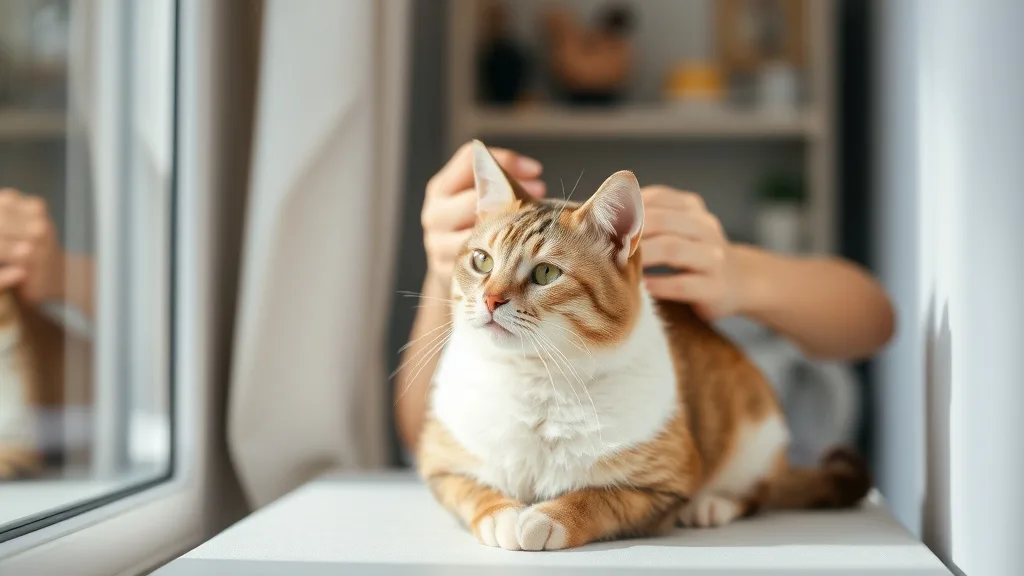
Senior cats with limited mobility often struggle to maintain their coat cleanliness and comfort, leading to matted fur, skin irritations, and even infections. Daily grooming becomes a crucial part of their care routine but can be challenging for both the cat and the caregiver. This article provides detailed, practical grooming techniques tailored to the unique needs of older cats who can’t move easily, ensuring their comfort and well-being without causing stress or injury.
Understanding the Grooming Needs of Senior Cats with Limited Mobility
As cats age, especially beyond 10 years, mobility issues can arise from arthritis, muscle weakening, or other health conditions, making self-grooming difficult or impossible. Without proper grooming, dead hair accumulates, mats form, and skin problems develop. Grooming also offers a valuable opportunity to check for lumps, wounds, or changes in skin condition. The goal is to maintain cleanliness, comfort, and health while minimizing stress.
See also: End-of-Life Planning Tips for Owners of Senior Silvertail Cats
Step-by-Step Daily Grooming Techniques for Senior Cats with Limited Mobility
1. Prepare a Comfortable Grooming Environment
Choose a quiet, warm, and well-lit space where your cat feels safe. Use a soft towel or blanket on your lap or a flat surface to provide cushioning. Seniors can easily get cold or anxious; keeping them comfortable helps reduce stress.
2. Gather Gentle Grooming Tools
For sensitive and potentially fragile older cats, select tools that are effective yet gentle:
- Soft bristle brush or grooming mitt
- Dematting comb or rake (for minor mats)
- Plastic or stainless steel comb (for checking tangles)
- Wipes or damp cloth
- Scissors (rounded tip for safety, only for extreme mats)
Avoid harsh brushes or aggressive de-shedding tools that can irritate thin, aging skin.
3. Start with Light Petting and Slow Strokes
Before brushing, gently pet your cat to relax them and assess skin and coat condition. Slowly move to gentle brushing, starting at less sensitive areas like the back and sides. Watch for avoidance or discomfort and adjust pressure and speed accordingly.
4. Use Short, Gentle Brush Strokes
Because older cats may be in pain, use short strokes that don’t pull on the fur. For longer hair, brushing in the direction of growth is less painful and reduces hair breakage.
5. Address Matted Fur Carefully
If you find small mats, try to gently tease them apart with your fingers or a dematting comb. For larger mats, trimming may be necessary — do this with extreme caution and if unsure, seek professional grooming or veterinary advice. Never pull mats forcefully.
6. Clean Eyes, Ears, and Face with a Damp Cloth
Senior cats may have tear stains or crust around their eyes, as well as earwax buildup. Use a clean, damp cloth to gently wipe these areas. Avoid using cotton swabs inside ears to prevent injury.
7. Promote Joint Mobility Before Grooming
If your cat seems stiff or resistant, try gentle joint massages or warm compresses beforehand to increase comfort and flexibility. This can make the grooming session easier and shorter.
8. Limit Grooming Sessions
Older cats tire more easily. Keep grooming sessions short (5-10 minutes), and break them up if needed. Daily short sessions are better than infrequent long ones.
9. Reward and Monitor
Offer treats or gentle praise to encourage positive associations. After grooming, observe your cat for any signs of irritation, swelling, or changes in behavior.
Comparing Grooming Tools for Senior Cats with Limited Mobility
| Tool Type | Pros | Cons | Best For |
|---|---|---|---|
| Soft Bristle Brush | Gentle on skin, easy to control | Limited mat removal capability | Daily brushing, sensitive skin |
| Grooming Mitt | Massage effect, removes loose hair | May be difficult on thick mats | Light daily maintenance |
| Dematting Comb | Effective for minor tangles | Can tug and irritate if used too aggressively | Small mats or tangles |
| Stainless Steel Comb | Good for detecting mats and debris | Can be too harsh for fragile skin | Examination and gentle grooming |
| Rounded-tip Scissors | Safe for trimming mats | Risky to use without training | Severe mat removal when necessary |
Key Tips to Keep in Mind
- Always keep sessions calm and quiet; stress can exacerbate mobility challenges.
- Be patient—slow progress is better than forcing your cat to endure discomfort.
- If grooming triggers pain, consult your veterinarian; pain management can improve willingness.
- Use proper lighting to spot skin issues early, such as redness or parasites.
- Regular vet checks complement your grooming by ensuring underlying health problems are managed.
Why Daily Grooming Matters Beyond Appearance
Daily grooming for senior cats with limited mobility supports skin health, alertness to medical issues, and emotional well-being. It helps prevent skin infections caused by trapped debris and mats. Furthermore, tactile contact during grooming strengthens your bond and allows you to detect troubling symptoms like lumps or wounds early.
When to Consult a Professional
If you encounter tough mats, severe coat issues, or if your cat exhibits significant discomfort during grooming, professional groomers or veterinary technicians have the expertise and equipment to help. For cats with painful joints, sedation may be recommended during grooming for safety and comfort.
Frequently Asked Questions
Q: How do I check if my senior cat’s skin is healthy during grooming?
A: Look for smooth, uniform skin without redness, bumps, scabs, or excessive dryness. Run your fingers gently to detect lumps or tender spots.
Q: My cat hates grooming and resists. How can I make it easier?
A: Keep sessions very short, use treats, and groom after meals or naps when your cat is more relaxed. Try different tools to find what your cat tolerates best.
Q: Is it necessary to bathe a senior cat with limited mobility?
A: Usually not unless they are very dirty or have a skin condition. Too frequent baths can dry their skin. Spot cleaning with wipes or damp cloths is often sufficient.
Daily grooming is more than just a routine for senior cats with limited mobility—it’s essential care that promotes physical comfort, emotional security, and overall health. By following these gentle, thoughtful techniques, you can greatly improve your cat’s quality of life during their golden years.
Our picks worth a closer look
- Pawvotum Glucosamine for Cats, Pet vitamins and supplements with Chondroitin, MSCheck on Amazon → — see current price and specs.
- Vialoe Advanced Dog Hip & Joint Chews - Concentrated with Glucosamine, ChondroitCheck on Amazon → — see current price and specs.
- 2Pack Hemp Oil for Dogs & Cats, Anxiety & Stress Relief Drops with Omega 3-6-9,HCheck on Amazon → — see current price and specs.
- Royal Canin Aging 12+ Dry Cat Food 7 lbCheck on Amazon → — see current price and specs.
- Feliway Classic Starter Kit Plug-In Diffuser and Refill 48mlCheck on Amazon → — see current price and specs.