
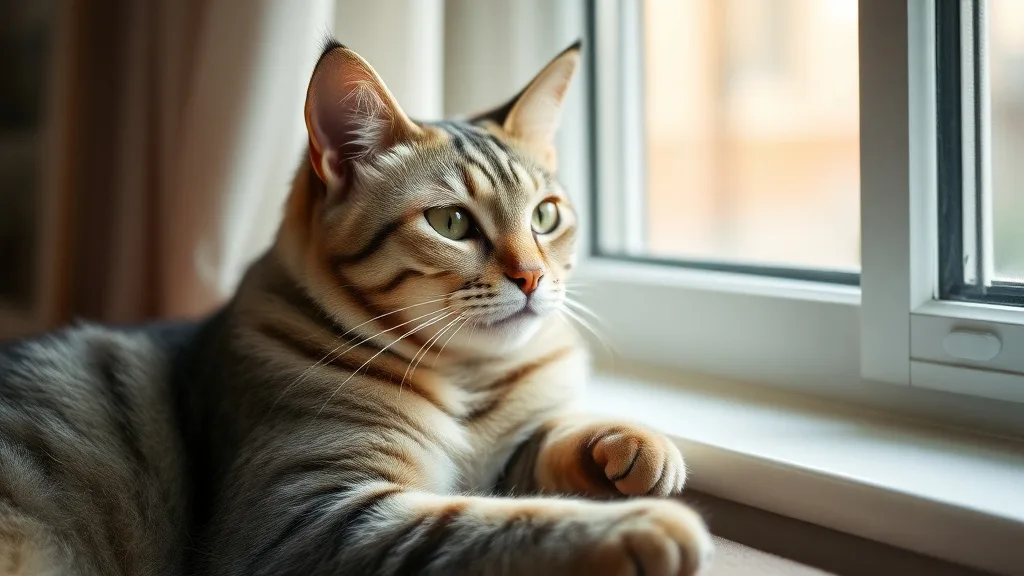
Caring for a beloved Silvertail cat as they enter their senior years is deeply rewarding but often comes with difficult decisions about their comfort and well-being toward the end of life. Many owners struggle with planning ahead for this stage, balancing their cat’s needs with emotional readiness and practical care considerations. This article offers thoughtful, actionable end-of-life planning tips tailored to Silvertail cats aged 10 years and older, focusing on ensuring dignity, reducing stress, and making informed choices.
What End-of-Life Planning Means for Senior Silvertail Cats
End-of-life planning for senior cats involves preparing for the gradual decline or unexpected health issues that come with aging. It’s more than just medical decisions; it’s about creating a compassionate framework that respects your cat’s comfort and quality of life while easing the emotional burden on both your cat and your family.
This planning covers several key areas:
- Recognizing signs of declining health
- Arranging supportive veterinary care and nutrition
- Adjusting your home environment for accessibility and comfort
- Making decisions about pain management and when to consider euthanasia
- Preparing emotionally and legally for the end-of-life phase
How End-of-Life Planning Works
Planning works best as a continuous, flexible process rather than a single moment of decision-making. Start early, regularly reassess your cat’s health and comfort, and communicate openly with your veterinarian.
Step 1: Monitor and Recognize Health Changes
Aging cats, including Silvertails, often develop kidney disease, arthritis, and other chronic conditions. Regular veterinary checkups (at least twice a year) can detect subtle signs of decline. Key signs to watch for:
- Loss of appetite or weight loss
- Decreased mobility or stiffness
- Changes in litter box habits
- Increased hiding or vocalization suggesting discomfort
- Poor coat condition or lethargy
Keep a daily journal of these changes to inform your vet about your cat’s condition over time.
Step 2: Optimize Nutrition for Kidney Health and Mobility
Renal disease is common in senior cats. Consult your vet about transitioning your cat to kidney-supportive diets, often restricted in protein and phosphorus. Keeping your cat well-hydrated helps slow kidney damage.
Joint-supporting foods rich in omega-3 fatty acids or supplements like glucosamine may improve mobility and reduce discomfort. Avoid abrupt changes; introduce new foods gradually to prevent stress or digestive upset.
Step 3: Reduce Stress Through Routine and Environment
Senior cats thrive on low-stress environments. A predictable daily routine helps them feel secure. Ensure your Silvertail has:
- Easy access to food, water, and litter boxes without needing to jump or climb
- Soft bedding positioned in warm, quiet spots
- Assistance if necessary (gentle grooming, mobility aids like ramps or padded stairs)
Avoid loud noises and busy household changes when possible.
Step 4: Plan for Veterinary Support and Low-Stress Visits
Vet visits can be anxiety-inducing for older cats. Ask your vet about:
- In-home visits or low-stress handling techniques
- Scheduling appointments at quieter times
- Medication and pain management plans tailored to your cat’s condition
Having a trusted vet familiar with your cat’s history ensures consistent, empathetic care.
Step 5: Prepare Emotionally and Legally for Difficult Decisions
Facing end-of-life choices can be the hardest part. Reflect on your cat’s quality of life rather than longevity alone. Discuss with family members and your vet when signs of persistent pain or suffering outweigh benefits of continued treatment.
Consider policies about:
- Euthanasia preferences: timing, location (home vs clinic), presence of family
- Final arrangements: burial, cremation, or donation
Document your wishes clearly to relieve uncertainty when the time comes.
Accessibility and Comfort: Environment Comparison for Senior Silvertail Cats
| Feature | Benefits | Considerations | When to Use |
|---|---|---|---|
| Low-entry litter box | Easier access, less jumping stress | May require more frequent cleaning | If mobility is noticeably reduced |
| Soft, heated bedding | Comforts arthritic joints, provides warmth | Needs monitoring for cleanliness | For cats with joint pain or chills |
| Ramps or stairs to favorite spots | Maintains independence, allows elevation access | May need gradual introduction | When jumping becomes difficult |
| Multiple water stations | Encourages hydration, reduces travel distance | Watch for spills and refills | If cat is reluctant to move |
| Quiet, secluded resting areas | Reduces stress and overstimulation | Avoid isolation from family too much | During times of pain or anxiety |
Common Pitfalls in End-of-Life Planning for Silvertail Cats and How to Avoid Them
- Waiting too long to discuss planning: Delay often leads to rushed decisions under emotional stress. Start conversations early.
- Ignoring behavioral changes: Some cats hide pain well. Document subtle changes and consult your vet without delay.
- Overlooking environmental adjustments: Small changes like easy access to litter or water can dramatically improve comfort.
- Attempting aggressive treatments without quality-of-life considerations: Balance treatments’ side effects with overall well-being.
- Not preparing emotionally: Seek support groups or counseling for difficult phases—caregiver strain is real and survivable.
When and How to Seek Professional Help
Veterinarians specializing in geriatrics or palliative care offer tailored support. Hospice programs for pets and veterinary social workers can guide end-of-life care. Don’t hesitate to ask for advice or referrals—they can help you navigate these challenges.
Frequently Asked Questions
Q: How can I tell if my senior Silvertail cat is in pain?
A: Signs include limping, reluctance to jump, vocalizations when touched, decreased grooming, irritability, or hiding more than usual. A vet assessment is important for confirmation.
Q: What foods are best for a Silvertail cat with kidney issues?
A: Kidney-supportive diets have reduced protein and phosphorus content to decrease kidney workload. Always transition gradually under veterinary guidance.
Q: How do I know when euthanasia is the kindest option?
A: When your cat experiences unmanageable pain, persistent loss of appetite and mobility, or low quality of life, consult your vet. They can help determine the right timing with compassion and support.
End-of-life planning is a testament to your commitment and love for your senior Silvertail cat. By thoughtfully preparing, you provide them not just with longer life, but better life—peaceful, dignified, and full of gentle care in their golden years.
Our picks worth a closer look
- Pawvotum Glucosamine for Cats, Pet vitamins and supplements with Chondroitin, MSCheck on Amazon → — see current price and specs.
- 2Pack Hemp Oil for Dogs & Cats, Anxiety & Stress Relief Drops with Omega 3-6-9,HCheck on Amazon → — see current price and specs.
- Royal Canin Aging 12+ Dry Cat Food 7 lbCheck on Amazon → — see current price and specs.
- Feliway Classic Starter Kit Plug-In Diffuser and Refill 48mlCheck on Amazon → — see current price and specs.
- PetSafe Drinkwell Platinum Pet Water Fountain 168ozCheck on Amazon → — see current price and specs.