
Holistic Vet Care for Arthritic Silvertail Cats Over a Decade Old

By Amelia Keller · Senior Editor
Published May 12, 2026 · Last reviewed May 12, 2026

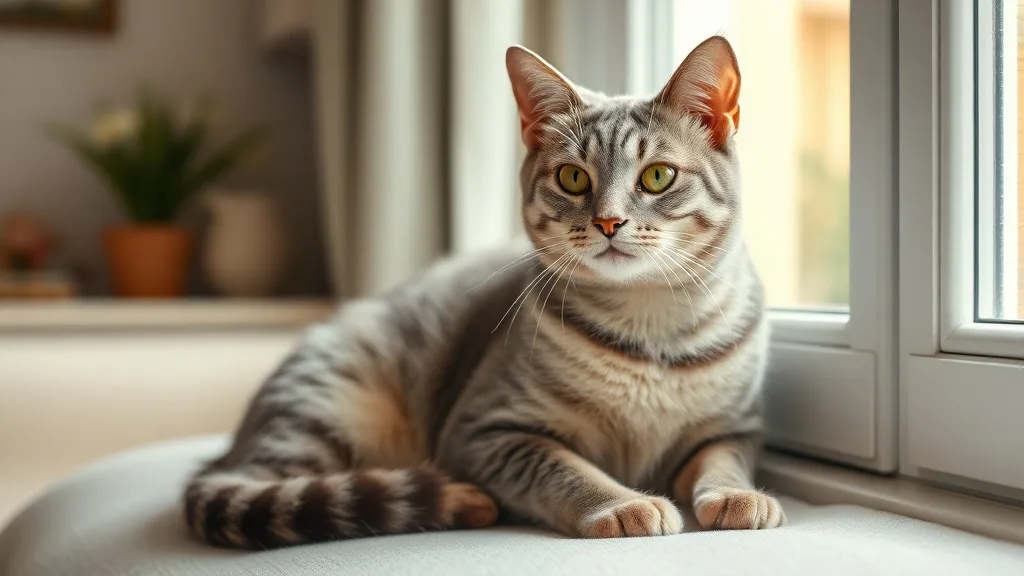
Arthritis in senior cats isn’t just about stiffness—it deeply affects their mobility, comfort, and overall quality of life. If you have a silvertail cat over ten years old showing signs of joint pain, limping, or reluctance to jump, navigating holistic vet care can be key to helping your feline friend stay comfortable and active. This article explains what holistic veterinary care for arthritic senior cats involves, how it works alongside traditional medicine, when it’s appropriate to use, and common pitfalls to avoid.
What Is Holistic Vet Care for Arthritic Senior Cats?
Holistic vet care takes a comprehensive approach, focusing not only on symptoms like joint inflammation but on the cat’s entire physical, mental, and emotional well-being. Rather than relying solely on drugs or surgery, holistic care integrates diet, exercise, environmental enrichment, and natural therapies such as acupuncture, physical therapy, and supplements.
For older cats—especially those over a decade—holistic veterinary care recognizes the delicate balance of managing arthritis with minimal side effects while enhancing kidney health, managing stress, and improving mobility. This is particularly relevant to silvertail cats, who often experience age-related joint degeneration but also tend to have sensitive renal systems requiring special nutritional considerations.
See also: Managing Arthritis in Silvertail Cats Aged 10+ Through Vet Care
How Holistic Vet Care Works for Arthritic Silvertail Cats
-
Comprehensive Assessment
A holistic vet begins with a thorough physical exam, bloodwork (often including kidney function tests), and a mobility assessment. They evaluate factors like weight, diet, home environment, and stress levels that affect arthritis symptoms. -
Renal-Friendly Nutrition
Cats with arthritis often have diminished activity, and their kidneys can be vulnerable. Holistic care prioritizes diets that support joint health (such as omega-3 fatty acids) while avoiding excessive protein or phosphorus that can stress the kidneys. This can include prescription renal diets or customized homemade options designed with a vet’s supervision. -
Low-Stress Vet Visits
Older cats generally dislike vet visits, which can increase stress and worsen arthritis pain due to muscle tension. Holistic vets use gentle handling, fewer invasive tests when possible, and sometimes incorporate pheromone therapy or calming supplements pre-visit. -
Physical Therapy and Joint Mobility Exercises
Controlled exercise tailored to the cat’s ability helps maintain joint flexibility and build muscle to support arthritic joints. This can include gentle ramps or cat-specific physical therapy techniques like passive range of motion stretching and hydrotherapy. -
Natural Supplements and Treatments
Supplements such as glucosamine, chondroitin sulfate, and green-lipped mussel powder are commonly recommended to support cartilage repair and reduce inflammation. Acupuncture and laser therapy may be offered to reduce pain and stimulate healing without pharmaceuticals. -
Environmental Modifications for Comfort and Accessibility
Ensuring litter boxes are easy to access, using soft bedding, and minimizing the need to jump high or climb stairs can reduce pain and stress. Ramps, heated beds, and accessible perches can greatly improve a silvertail cat’s daily experience. -
End-of-Life Comfort Planning
When arthritis and other age-related conditions severely limit quality of life, holistic vets work with owners on humane comfort care options that respect the cat’s dignity. These plans focus on pain management, environmental comfort, and monitoring for signs of distress.
When to Use Holistic Vet Care for Arthritic Cats
Holistic care is beneficial at any stage of arthritis but is especially helpful for:
- Cats older than 10 years beginning to show stiffness or pain.
- Cats with moderate to severe arthritis who need ongoing pain management without heavy reliance on medications.
- Cats with concurrent health challenges such as chronic kidney disease requiring careful nutritional balance.
- Cat owners seeking natural, low-stress care and supportive therapies alongside conventional treatments.
Holistic care complements traditional veterinary medicine perfectly but should never replace professional diagnosis and treatment by a licensed vet.
Common Pitfalls to Avoid in Holistic Care for Arthritic Silkertail Cats
- Ignoring Proper Diagnosis: Arthritis symptoms overlap with other conditions; skipping x-rays or bloodwork may miss underlying issues.
- Overusing Supplements: Some joint supplements can interact with medications or harm sensitive kidneys if used without veterinary guidance.
- Neglecting Weight Control: Excess weight increases joint stress; holistic care must emphasize maintaining ideal body condition.
- Skipping Regular Vet Check-ups: Even holistic pets need periodic exams to adjust care plans as conditions evolve.
- Setting Unrealistic Expectations: Holistic treatments improve quality of life but usually don’t cure arthritis.
Comparison Table: Holistic vs. Traditional Arthritis Care in Senior Cats
| Feature | Holistic Care | Traditional Care | Best Use Scenario |
|---|---|---|---|
| Approach | Comprehensive, multi-modality | Mainly pharmaceutical, surgical | Long-term management and comfort |
| Pain Management | Natural supplements, acupuncture, laser | NSAIDs, steroids, painkillers | Cats sensitive to meds or with kidney issues |
| Nutritional Focus | Renal-friendly, anti-inflammatory diets | Prescription joint diets only | Cats with joint and kidney challenges |
| Stress Management | Low-stress handling, calming therapies | Routine exam protocols | Cats stressed by vet visits |
| Mobility Support | Physical therapy, exercise, environmental change | Limited to medication recommendations | Cats needing active rehabilitation |
| Side Effects Risk | Generally low when guided by vet | Higher risk, especially kidney damage | Cats with complicated health profiles |
| Cost Considerations | Variable, may require multiple visits | Sometimes less frequent but high drug cost | Long-term quality-of-life budgeting |
How to Get Started with Holistic Vet Care for Your Arthritic Silvertail Cat
- Find a Holistic Veterinarian: Look for vets offering integrative care or certified in veterinary acupuncture or rehabilitation.
- Schedule an Initial Assessment: Bring previous medical records and list all medications and supplements.
- Discuss Nutrition: Work with your vet to create or select a renal- and joint-friendly diet that your cat will eat consistently.
- Implement Environmental Adjustments: Make the home easier to navigate to reduce strain and stress.
- Follow the Care Plan: Incorporate physical therapy, supplements, and follow up consistently.
- Monitor and Report: Keep a diary of mobility, appetite, litter habits, and comfort levels.
By embracing holistic care thoughtfully, you give your senior silvertail cat the best chance to move well, feel comfortable, and enjoy their golden years.
Frequently Asked Questions
Q: Can holistic treatments reverse arthritis in my senior cat?
A: Arthritis is a degenerative condition that cannot be cured, but holistic care can significantly enhance joint function and reduce pain.
Q: Are joint supplements safe for cats with kidney issues?
A: Some supplements are safe but always consult your vet, who can recommend renal-friendly options and appropriate dosages.
Q: How often should my arthritic senior cat see the vet?
A: At least twice a year for check-ups, or more frequently if symptoms worsen or new treatments are started.
Top Picks


Sponsored · From our family of brands

Phone Case Gift
Fun finds for every vibe.