
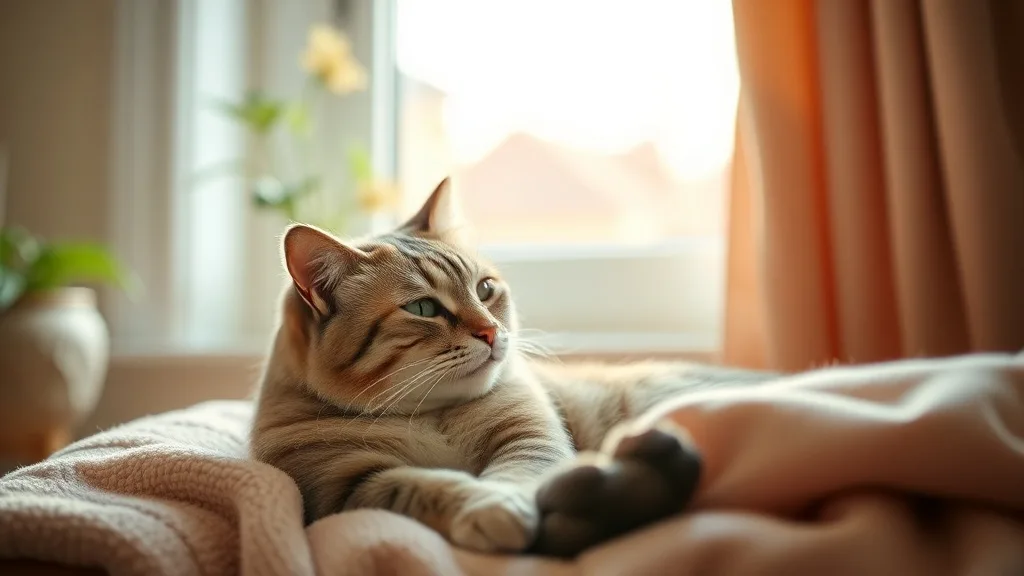
Caring for a senior cat in the final stages of life is a deeply emotional challenge, compounded by concerns about their comfort, dignity, and how to celebrate the life you’ve shared. Many cat owners struggle with balancing effective pain management, maintaining quality of life, and preparing for eventual loss while providing gentle, loving care. This guide offers practical advice on honoring your senior cat in their last days through compassionate comfort, stress reduction, and thoughtful celebration.
Understanding Comfort Care in Final Stages
As cats age, especially beyond 10 years, their health can decline due to kidney disease, arthritis, or other chronic illnesses. In the final stages, it’s important to focus less on treatments aimed at curing and more on comfort and quality of life. This means prioritizing pain relief, easy access to essentials, stress-free vet visits, and emotional support.
Key components of comfort care for senior cats:
- Renal-friendly nutrition: Protecting a cat with chronic kidney issues or declining organ function.
- Joint mobility support: Managing arthritis and stiffness to maintain movement.
- Litter box accessibility: Ensuring they can easily reach and use the litter box without strain.
- Calm environment: Reducing stress in daily routines and vet visits.
- End-of-life comfort: Gentle management of pain and distress, emphasizing dignity.
See also: Understanding End-of-Life Care Options for Senior Cats
How to Comfort Your Senior Cat in Final Stages: Step-by-Step
1. Optimize Nutrition for Their Needs
Older cats, especially those with kidney disease, require a diet that supports organ function without adding unnecessary load. Commercial renal-friendly diets have reduced protein levels with high-quality ingredients and are often easier to digest.
- Offer smaller, more frequent meals to aid digestion.
- Hydration matters; some cats prefer wet food or water fountains.
- Consult your vet on supplements, like omega-3 fatty acids, to support joints and reduce inflammation.
2. Make the Litter Box Accessible and Comfortable
Arthritis or reduced mobility can make standard litter boxes hard to use.
- Use a shallow-sided litter box with low entry points.
- Place the box on every floor level your cat frequents.
- Keep litter boxes clean and odor-free; discomfort in a dirty box can cause accidents.
3. Support Joint Health and Mobility
Encourage gentle movement without forcing activity that causes pain.
- Provide soft bedding in warm, easily accessible spots.
- Use ramps or steps for favorite resting places.
- Speak to your vet about pain medications or joint supplements that support mobility.
4. Reduce Stress and Vet Anxiety
Vet visits can be highly stressful, especially for frail senior cats.
- Use calming pheromone sprays or diffusers at home.
- Schedule shorter, quieter vet visits with pre-arranged appointments.
- Bring familiar bedding or toys to comfort your cat during trips.
5. Embrace Quality Time and Celebration
Create meaningful moments that honor your cat’s life and personality.
- Spend quiet moments petting or brushing them.
- Reflect by looking through photos or journaling memories.
- Consider gentle aromatherapy; lavender or chamomile scents can relax cats.
6. Manage Pain and Monitor Comfort Levels
Understanding signs of pain or discomfort is critical as cats may hide it instinctively.
- Look for changes in eating, grooming, vocalization, or movement.
- Work closely with your vet on pain management plans.
- Use gentle-touch massage to soothe muscles and joints.
7. Recognize When It’s Time for Humane End-of-Life Decisions
Making this decision is one of the hardest parts of pet ownership but comes from love and respect.
- Observe quality of life indicators: appetite, interaction, pain.
- Speak candidly with your vet and family.
- Plan for peaceful euthanasia when your cat’s suffering outweighs comfort.
Comparison Table: Nutrition and Joint Support Options for Senior Cats
| Feature | Renal-Friendly Diet | Joint Support Supplements | Standard Senior Cat Food |
|---|---|---|---|
| Primary Purpose | Support kidney function | Reduce inflammation and pain | General senior nutrition |
| Protein Level | Lower, high-quality protein | Varies, often added to diet | Moderate protein |
| Typical Ingredients | Omega-3 fatty acids, controlled phosphorus | Glucosamine, chondroitin, omega-3 | Balanced nutrients |
| Benefits | May slow progression of kidney disease | Improve mobility and comfort | Maintains overall health |
| Best For | Cats with kidney disease | Cats with arthritis or stiffness | Healthy seniors with no chronic disease |
| Veterinary Supervision Required | Yes | Recommended | Optional |
When and How to Celebrate Your Cat’s Life
Celebrating doesn’t have to wait until after your cat has passed. Creating joyful, peaceful experiences in their remaining time provides comfort for both cat and owner.
Some ways to celebrate include:
- Daily rituals: Gentle grooming, favorite treats, interactive play adapted to energy level.
- Photo sessions: Capture calm or playful moments.
- Memory sharing: Talk with loved ones about your cat’s personality and stories.
- Creating keepsakes: Paw prints, collars, or personalized items.
These moments help reduce grief by focusing on positive connection rather than loss.
Common Pitfalls to Avoid
- Over-treating: Avoid aggressive medical interventions that reduce quality of life.
- Ignoring signs of distress: Cats often mask pain, so subtle changes must be noticed.
- Neglecting environmental ease: Barriers like staircases or high perches can cause frustration.
- Delaying difficult decisions: Postponing euthanasia can cause unnecessary suffering.
Frequently Asked Questions
Q: How do I know if my senior cat is in pain?
A: Watch for changes in behavior such as hiding, reduced appetite, limping, vocalizing more, or changes in grooming habits. Regular vet checkups help detect pain early.
Q: Is it better to keep my cat indoors or allow outdoor access in their final stages?
A: Indoor environments reduce risks and stress for senior cats. Outdoor access may expose frail cats to injury or infection, so creating stimulating indoor spaces is safer.
Q: When should I start preparing for end-of-life care?
A: Begin discussions with your vet as soon as your cat shows signs of chronic illness or declining quality of life. Planning helps ensure your cat’s comfort and dignity when the time comes.
Our picks worth a closer look
- Royal Canin Aging 12+ Dry Cat Food 7 lbCheck on Amazon → — see current price and specs.
- Feliway Classic Starter Kit Plug-In Diffuser and Refill 48mlCheck on Amazon → — see current price and specs.
- PetSafe Drinkwell Platinum Pet Water Fountain 168ozCheck on Amazon → — see current price and specs.
- K&H Pet Products Thermo-Kitty Heated Cat Bed Small MochaCheck on Amazon → — see current price and specs.
- Delectables Lickable Treat Gravy Senior 10+ Variety Wet Cat Treat & Food Topper,Check on Amazon → — see current price and specs.