
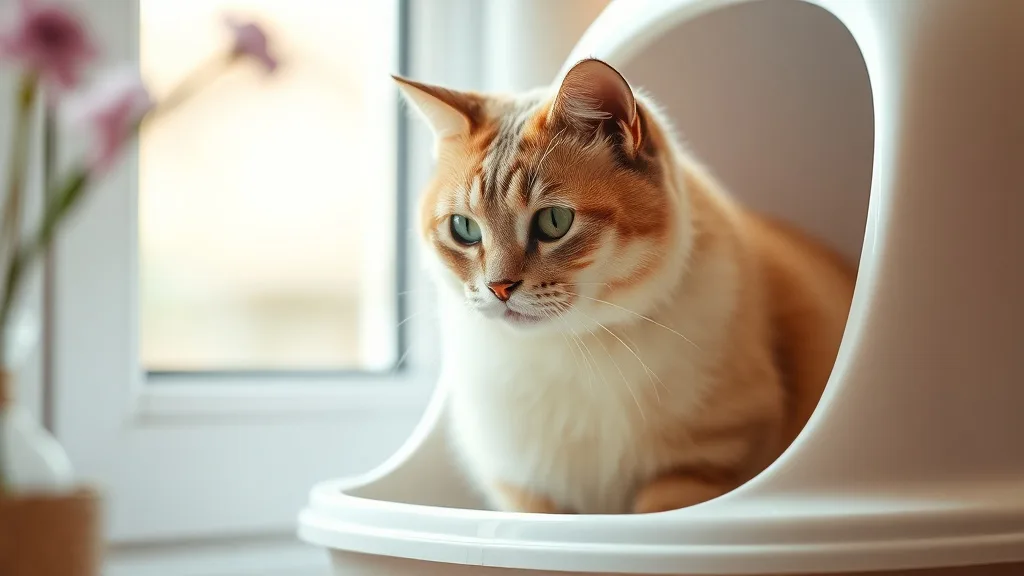
Choosing the right litter box for a senior cat can be unexpectedly challenging. As cats age, mobility issues, arthritis, and sensory declines can make entering, exiting, and using traditional litter boxes uncomfortable or even painful. For owners, this often leads to accidents outside the box and added stress for both cat and human. Understanding how to select a litter box that accommodates these changing needs is crucial to maintain your senior cat’s dignity, health, and your home’s cleanliness.
Why the Right Litter Box Matters for Senior Cats
Senior cats (typically 10 years and older) often face several physical and behavioral changes that affect litter box use:
- Reduced Mobility: Arthritis, joint stiffness, or muscle weakness make climbing in and out of high-sided boxes difficult.
- Decreased Sensory Acuity: Reduced eyesight or hearing can make the routine more confusing or stressful.
- Health Issues: Chronic kidney disease or urinary tract problems common in older cats increase litter box urgency or frequency.
- Changes in Behavior: Cognitive decline may cause confusion, or the cat might simply prefer easier access.
Choosing a litter box tailored to these realities can drastically reduce litter box aversion, encourage consistent use, and ease your cat’s day-to-day life.
See also: Daily Grooming Techniques for Senior Cats with Limited Mobility
Key Features to Look for in a Senior Cat Litter Box
When selecting a litter box for a senior cat, consider the following essential features:
- Low Entry Height: Ease of entry and exit is critical; avoid high walls or boxes with steep steps.
- Ample Size: Senior cats may be less agile, but still need enough room to move comfortably.
- High Sides with Safe Entry: While high sides help prevent litter scatter and accidents, entry should remain easy.
- Non-Slip Base: To prevent slips during entry/exit; safety reduces stress.
- Covered vs. Open: Open boxes tend to reduce feelings of confinement for seniors, but some cats prefer covered for privacy.
- Material: Smooth, easy-to-clean plastic is best to minimize odor retention.
- Accessibility Features: Some senior cats benefit from boxes with handles for repositioning or ramps to ease entry.
How to Choose the Right Litter Box for Your Senior Cat — Step-by-Step
1. Assess Your Cat’s Mobility and Behavior
Before buying, observe your cat’s current litter box habits. Can they easily jump into a tall box? Do they seem hesitant or avoid the box altogether? Does arthritis or stiffness seem to hinder their movement?
If your cat struggles with step height or agility, prioritize low-entry options. If they are anxious or spooked, consider open boxes in quiet locations.
2. Measure Your Cat’s Size and Movement Style
Senior cats still need adequate space to turn around, dig, and cover waste. Measure your cat’s length and width, and add a few inches for comfort. Avoid undersized boxes that restrict movement and encourage accidents.
3. Choose the Right Box Shape and Dimensions
Standard rectangular boxes around 20 inches long and 15 inches wide suit most cats. Some cats like corner boxes, which can be space-saving. For seniors, ensure there is a minimal step-up (under 5 cm if possible). Alternatively, boxes with a gently sloping ramp can help.
4. Decide Between Covered and Open Litter Boxes
Covered boxes provide privacy and odor containment but can feel confining or trap smells. Open boxes reduce anxiety since there is no roof and the cat can see around. Many seniors do better with open or partially covered boxes.
5. Consider Accessibility Enhancements
If your cat struggles even with low entry, consider:
- Boxes with extra-wide openings
- Boxes with ramps
- Boxes with handles for easy repositioning or cleaning
- Placing multiple boxes in different accessible spots
6. Prioritize Easy Cleaning
Older cats instinctively choose clean boxes. Since seniors may have increased litter box usage, easy-to-clean boxes or liners can ease maintenance for you and promote box use.
Litter Box Types Compared for Senior Cats
| Feature | Low-Sided Open Box | High-Sided Covered Box | Ramp-Entry Box | Top-Entry Box |
|---|---|---|---|---|
| Entry Height | Very Low (2-4 inches) | High (6+ inches step) | Low with Ramp (2-3 inches) | High, requires jumping |
| Privacy | Low | High | Variable | High |
| Ease of Cleaning | Easy | Moderate | Moderate | Easy |
| Litter Scatter Control | Low | High | Moderate | Very High |
| Best For | Cats with mobility issues, arthritis | Cats needing privacy and litter control | Cats needing low-step access | Generally not ideal for seniors due to entry height |
| Potential Pitfalls | More litter scatter, odor spread | Harder for stiff cats to enter | Ramp may still be difficult for severely arthritic cats | Difficult entry, can cause avoidance |
Additional Tips for Supporting Your Senior Cat’s Bathroom Needs
- Multiple Litter Boxes: Place several low-entry boxes around the house to reduce travel for arthritic cats.
- Soft, Unscented Litter: Avoid litter that irritates paws or smells strong; seniors can be sensitive.
- Consistent Cleaning: Scoop daily to encourage use; older cats are less tolerant of dirty boxes.
- Stable & Quiet Placement: Choose low-traffic, quiet areas with stable boxes that don’t slide.
- Vet Consult: If accidents persist, rule out urinary tract infections, kidney issues, or arthritis flare-ups.
When to Upgrade or Adapt the Litter Box Setup
- Sudden Avoidance: If your cat suddenly stops using the box, re-evaluate accessibility, cleanliness, or potential health problems.
- Increased Difficulty Moving: Switching to a box with even lower entry or an assist ramp may become necessary.
- Declining Vision or Cognition: Keep boxes in predictable, easy-to-find locations and avoid sudden changes.
Frequently Asked Questions
Q: How low should the entry be for a senior cat litter box?
A: Ideally 2-4 inches, or as low as possible, to accommodate arthritis and reduce jumping strain.
Q: Are covered litter boxes bad for senior cats?
A: Not always, but many senior cats find covered boxes confining and may avoid them. Open or partially covered boxes are generally more comfortable.
Q: How can I prevent my senior cat from having accidents if the litter box is hard to use?
A: Provide multiple low-entry boxes, keep them impeccably clean, and consult your vet to rule out medical causes.
Choosing the right litter box for your senior cat is a vital part of caring for their changing needs. By thoughtfully considering entry height, size, cover, and placement, you can greatly improve your cat’s comfort and your home’s cleanliness, helping your elder feline maintain a happy, healthy life.
Our picks worth a closer look
- Pawvotum Glucosamine for Cats, Pet vitamins and supplements with Chondroitin, MSCheck on Amazon → — see current price and specs.
- 2Pack Hemp Oil for Dogs & Cats, Anxiety & Stress Relief Drops with Omega 3-6-9,HCheck on Amazon → — see current price and specs.
- Royal Canin Aging 12+ Dry Cat Food 7 lbCheck on Amazon → — see current price and specs.
- Feliway Classic Starter Kit Plug-In Diffuser and Refill 48mlCheck on Amazon → — see current price and specs.
- PetSafe Drinkwell Platinum Pet Water Fountain 168ozCheck on Amazon → — see current price and specs.