
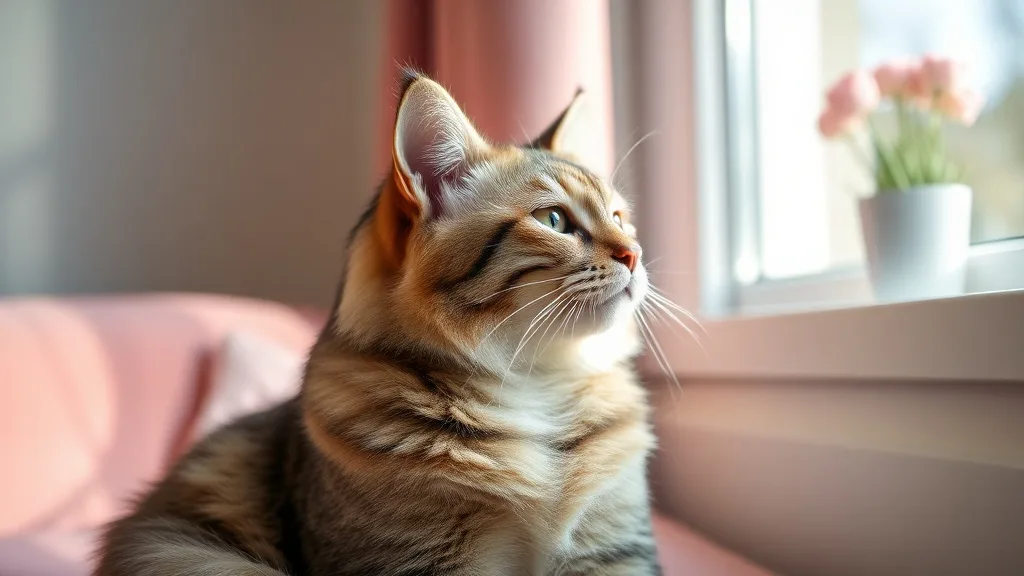
How to Prepare Your Senior Cat for Vet Visits Without Stress
Taking your senior cat to the vet can be a stressful experience—not just for your feline friend but for you as well. Cats over the age of 10 tend to be more sensitive to changes in their environment, deal with medical complexities like kidney issues, arthritis, and sensory decline, and often don’t respond well to unfamiliar or rough handling. If you dread the vet visit because your cat hides, scratches, or cries, know that there are practical, low-stress strategies you can use to make the experience much calmer and safer.
Here’s a step-by-step guide to preparing your senior cat for vet visits without elevating stress levels, backed by practical advice tailored to common senior cat health concerns like renal-friendly nutrition, joint mobility, and gentle care.
See also: Best Practices for Administering Medication to Elderly Cats
Step 1: Set Up a Comfortable Carrier and Getting-Ready Routine
For many cats, the carrier itself is a major anxiety trigger.
- Choose an appropriate carrier: Use a soft-sided or hard-sided carrier that opens from the top as well as the front, providing easier access and less forced handling.
- Familiarize your cat with the carrier: Days or weeks before the appointment, leave the carrier out in a favorite resting spot with a soft blanket or bed inside.
- Use calming scents: Add synthetic feline pheromones (like Feliway) or an item of your clothing inside the carrier, as familiar smells can reduce anxiety.
Tip: Avoid sudden capture attempts. Let the cat enter voluntarily by propping the door open and gently coaxing with treats or favorite toys.
Step 2: Make Vet Visits Predictable and Routine
Cats—and senior cats particularly—benefit greatly from having predictable routines.
- Schedule vet visits on days/times you can replicate: If possible, book morning or quiet times so waiting is minimized.
- Keep travel consistent: Use the same route and method of transportation. For cats sensitive to car travel, placing a blanket from their usual resting place in the carrier can help.
- Practice short car trips: If your cat hates cars, do brief practice drives to positive locations (not the vet) to build comfort gradually.
Step 3: Support Your Cat’s Mobility and Comfort During Visits
Senior cats often struggle with joint pain or stiffness. Transport and vet handling should account for this.
- Add padded bedding in the carrier: A memory foam or orthopedic style pad reduces discomfort during travel.
- Use ramps or low surfaces: Avoid forcing your cat into or out of high places; bring a portable ramp or carrier that sits low to the floor.
- Inform the vet about mobility issues: Many clinics now offer “timeout” rooms where cats are examined gently and slowly to accommodate arthritis or weakness.
Step 4: Help Your Cat Stay Healthy with Renal-Friendly Nutrition Before Visits
Kidney disease is common in senior cats, and hydration and diet management can influence how your cat feels during a visit.
- Keep feeding consistent: If your vet visit is in the morning, feed a light meal of their usual renal-friendly diet beforehand to avoid hunger but reduce nausea risk.
- Offer fresh water: Hydration helps overall comfort and kidney function, and it can prevent urinary tract discomfort during the visit.
- Ask about supplements: Supplements such as omega fatty acids or joint mobility support may be recommended by your veterinarian and can improve your cat’s quality of life, reducing stressful symptoms.
Step 5: Use Calming Techniques and Consider Vet-Approved Supplements
Consider calming supplements or techniques before and during vet visits.
- Pheromone sprays or wipes: Applying synthetic feline facial pheromone can settle nerves.
- Natural calming aids: Some vets recommend supplements with L-theanine, tryptophan, or chamomile for nervous cats (always check beforehand).
- Gentle handling: Ask your veterinarian whether they can use low-stimulation handling or “cat-friendly” clinic protocols.
Step 6: Prepare Yourself to Be Calm and Empowered
Cats pick up on their owner’s energy more than you may realize.
- Stay calm: Practice slow breathing and soothing speech around your cat.
- Bring familiar items: A favorite blanket, toy, or even a piece of your clothing can reassure your senior cat.
- Communicate your cat’s needs: Write down your cat’s health history, medications, and particular stress triggers to share with your vet ahead of time to avoid repetitive questioning.
Vet Visit Preparation: Carrier Types Comparison
| Feature | Soft-Sided Carrier | Hard-Sided Carrier | Top-Loading Carrier |
|---|---|---|---|
| Comfort for Cat | Often more flexible, cushioned | Rigid, may feel confining | Provides easy access without forcing entry |
| Ease of Cleaning | Can be more difficult; fabric can trap odors | Easy to wipe and sanitize | Depends on design; generally easier |
| Portability | Lightweight, may squish under pressure | Sturdy, sometimes heavier | Usually lighter, but size varies |
| Space for Bedding | Usually ample, can add padded inserts | Usually less flexible for soft bedding | Top load allows easy bedding adjustment |
| Stress Reduction | Less noise, softer feel | More secure, but noise can startle cats | Less startling access, ideal for seniors |
| Best Use Scenario | Short trips, cats who prefer coziness | Longer trips, cats who tolerate enclosure | Senior cats needing gentle, calm handling |
Step 7: Post-Visit Care and Comfort
The vet visit ends when you leave the clinic, but senior cats often need extra time to decompress.
- Set up a quiet recovery spot: A warm, comfortable bed away from household bustle helps your cat unwind.
- Reintroduce familiar food and water: Reinforcing routine helps reduce residual stress.
- Watch for signs of distress: Look for hiding, loss of appetite, or changes in litter box use, and report these if persistent.
Frequently Asked Questions
Q: How often should I take my senior cat to the vet?
A: At least twice a year for seniors, as diseases like kidney issues and arthritis progress faster and require more frequent monitoring.
Q: Can I give my cat medication before the vet visit to calm them?
A: Only if prescribed or recommended by your vet; never medicate without professional guidance.
Q: What are signs my senior cat is too stressed at the vet?
A: Excessive panting, drooling, trembling, aggression, or refusal to move are signals your vet should know about so they can adjust the approach.
Preparing your senior cat for vet visits with these methods helps lower stress for both of you and supports the longevity and comfort your furry companion deserves. Regular, calm care will build trust and promote better health management as your cat ages gracefully.
Our picks worth a closer look
- Royal Canin Aging 12+ Dry Cat Food 7 lbCheck on Amazon → — see current price and specs.
- PetSafe Drinkwell Platinum Pet Water Fountain 168ozCheck on Amazon → — see current price and specs.
- Pawvotum Glucosamine for Cats, Pet vitamins and supplements with Chondroitin, MSCheck on Amazon → — see current price and specs.
- Feliway Classic Starter Kit Plug-In Diffuser and Refill 48mlCheck on Amazon → — see current price and specs.
- K&H Pet Products Thermo-Kitty Heated Cat Bed Small MochaCheck on Amazon → — see current price and specs.