
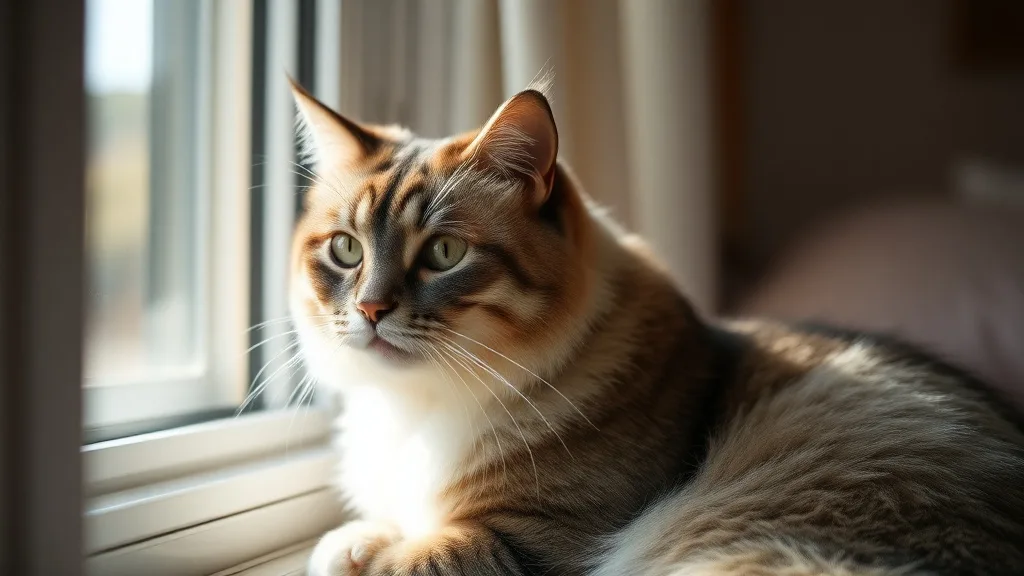
If your senior cat seems more prone to infections, slower to recover from illnesses, or generally less energetic, you’re likely noticing signs of a weakened immune system. Supporting a senior cat’s immune system naturally is crucial for maintaining their quality of life as they age. This article will guide you through practical, evidence-backed steps to boost your older cat’s immunity without relying solely on medications or supplements.
Understanding the Senior Cat Immune System
As cats age, their immune systems naturally decline—a process called immunosenescence. This makes them more vulnerable to infections, inflammation, and chronic diseases. Compounding issues like kidney decline, arthritis, and digestive problems further challenge their immune defenses. Unlike younger cats, older cats require more gentle, consistent care to keep their immune system resilient.
Supporting your senior cat’s immune system naturally means focusing on comprehensive health management: good nutrition, stress reduction, maintaining mobility, and tailored veterinary care.
See also: 20. Dehydration in older cats: signs you are probably missing
How to Support Your Senior Cat’s Immune System Naturally
1. Optimize Renal-Friendly Nutrition
Kidney function often diminishes in cats over 10 years old, impacting immune health and overall vitality. A renal-friendly diet rich in high-quality protein of moderate amount, controlled phosphorus, and adequate hydration reduces metabolic stress on kidneys and supports immune cells.
- Choose foods low in phosphorus and sodium: Excessive phosphorus and salt intake exacerbate kidney work and can impair immune response.
- Include omega-3 fatty acids: Found in fish oils, omega-3s help reduce inflammation and support immune cell membranes.
- Ensure hydration: Wet (canned) food or water fountains encourage drinking, helping kidneys flush toxins and maintain immune homeostasis.
For example, a senior cat on a wet food diet with controlled protein and enriched with omega-3s typically has better immune resilience than one on dry or generic food.
2. Provide Regular, Low-Stress Veterinary Checkups
Stress profoundly weakens the immune system. Senior cats often hide illness or discomfort, so low-stress, routine veterinary visits are essential.
- Schedule biannual checkups: More frequent vet evaluations catch problems early before they tax the immune system.
- Use calming techniques at the vet: Familiar carriers, pheromone sprays, or home visit options reduce stress-related immune suppression.
- Discuss immune-supportive supplements: Speak with your vet before adding any immune modulators or herbal supplements, as some may interfere with existing conditions like kidney disease.
3. Maintain Joint Mobility and Physical Activity
Physical activity promotes circulation, which facilitates immune cell movement and efficient removal of toxins. Joint pain in older cats often reduces movement leading to immune sluggishness.
- Engage in gentle play: Use interactive toys suitable for low-impact activity.
- Provide accessible climbing and resting areas: Cats love vertical spaces but make sure your senior can easily access these without jumping injuries.
- Consider joint supplements: Glucosamine and chondroitin can maintain cartilage health but only under veterinary guidance.
4. Improve Litter Box Accessibility and Hygiene
Urinary tract infections are common immune challenges in older cats, especially if litter boxes are difficult to access or poorly maintained.
- Use litter boxes with low entry sides: Older cats with arthritis or mobility issues may avoid deep-sided boxes.
- Maintain multiple and clean litter boxes: Cleanliness reduces bacteria and stress, both of which impair immune defenses.
- Place litter boxes in quiet, stress-free locations: Constant interruptions or other pets can increase stress and reduce utilization.
5. Support End-of-Life Comfort with Immune-Preserving Care
While naturally supporting a senior cat’s immune system, it’s vital to recognize the limits of what’s possible. End-of-life care focuses on comfort but can also influence immune function positively.
- Keep weight stable: Both obesity and extreme weight loss strain immunity.
- Provide gentle grooming: Regular brushing stimulates circulation and skin health.
- Pain management: Pain suppresses immune response; consult your vet for appropriate plans.
- Nutrition adjustments: As eating habits change, tailor diets to maintain immune support without overwhelming the digestive tract.
Summary Table: Natural Immune Support for Senior Cats
| Intervention | Benefits | Considerations | When to Prioritize |
|---|---|---|---|
| Renal-friendly nutrition | Supports kidney and immune health | May require gradual diet changes | Immediately after 10 years+ |
| Low-stress vet visits | Early detection, less immune stress | Use calming aids, schedule wisely | Every 6 months or more |
| Joint mobility/activity | Improves circulation, immune cell efficacy | Monitor arthritis, prevent injury | Ongoing |
| Litter box accessibility | Reduces infections, stress | Use multiple boxes, clean often | Immediately when mobility declines |
| End-of-life comfort care | Maintains quality of life, reduces immune strain | Adjust nutrition and medication | When age-related decline becomes evident |
Frequently Asked Questions
Q: Can I give my senior cat immune boosters or herbal supplements at home?
A: Consult your veterinarian first. Some supplements might interact with medications or worsen kidney issues common in older cats.
Q: How often should I schedule vet visits for my senior cat?
A: At least twice a year to monitor health changes proactively and reduce stress through familiarity.
Q: What signs indicate my cat’s immune system is weakened?
A: Recurrent infections, slow wound healing, lethargy, unexplained weight loss, or increased vet visits all suggest immune challenges.
Supporting a senior cat’s immune system naturally means embracing a holistic routine focused on nutrition, low-stress environments, physical activity, hygiene, and thoughtful veterinary care. The key is consistent, gentle adjustments recognizing your cat’s changing needs with age. These practical steps not only bolster immunity but enhance your cat’s comfort and longevity.
Our picks worth a closer look
- Jinx Premium Senior Dog Food Dry - Real Chicken, Brown Rice & Sweet Potato KibblCheck on Amazon → — see current price and specs.
- Pawvotum Glucosamine for Cats, Pet vitamins and supplements with Chondroitin, MSCheck on Amazon → — see current price and specs.
- Royal Canin Aging 12+ Dry Cat Food 7 lbCheck on Amazon → — see current price and specs.
- Feliway Classic Starter Kit Plug-In Diffuser and Refill 48mlCheck on Amazon → — see current price and specs.
- PetSafe Drinkwell Platinum Pet Water Fountain 168ozCheck on Amazon → — see current price and specs.