
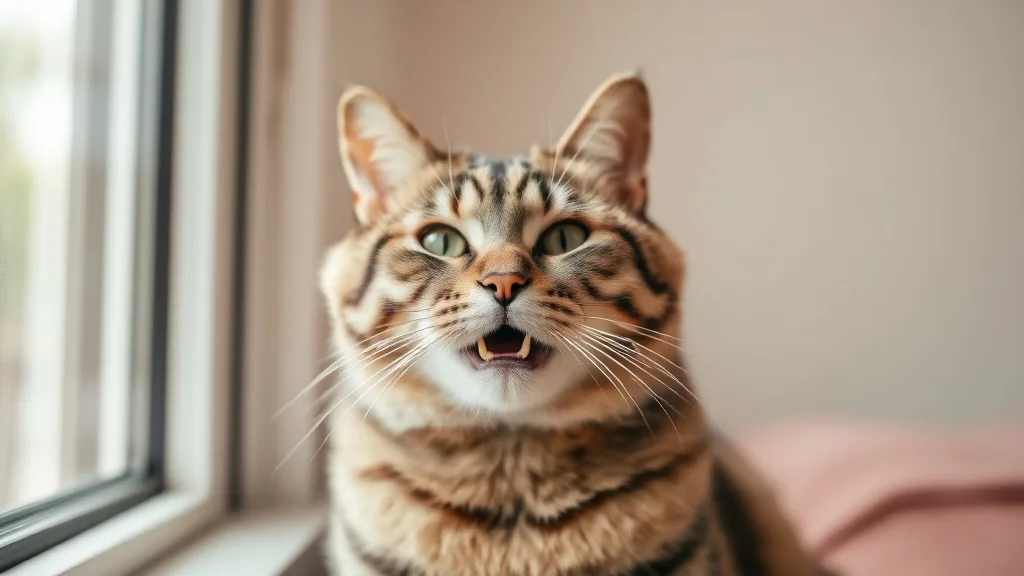
Cats over ten years old often face dental health challenges such as gum disease, tooth decay, and oral pain that can seriously affect their quality of life. As a cat owner, you may notice bad breath, difficulty eating, or reluctance to be touched around the mouth. Supporting your senior cat’s dental health is essential to keep them comfortable, maintain proper nutrition, and prevent systemic issues linked to oral infections. This guide walks you through practical steps to care for your older cat’s teeth and gums, tailored for their unique needs.
Understanding Dental Health Challenges in Senior Cats
As cats age, plaque and tartar accumulate more easily due to changes in their saliva and reduced grooming activity. Senior cats are also more prone to periodontal disease—an infection of the gums and supporting structures of the teeth—which can lead to tooth loss, pain, and inflammation that impacts other organs like the kidneys and heart.
Common signs your cat’s dental health needs attention include:
- Persistent bad breath (halitosis)
- Yellow or brown buildup on teeth
- Red, swollen, or bleeding gums
- Pawing at the mouth or reluctance to eat hard food
- Drooling or blood in saliva
Left untreated, these problems cause chronic pain and interfere with eating, which can worsen nutritional status—especially critical for older cats with already sensitive kidneys and joints.
See also: Common Health Issues in Senior Cats and Prevention Tips
How to Support Dental Health in Cats Over Ten Years Old
1. Schedule Regular Veterinary Dental Exams and Cleanings
Veterinary check-ups every six to twelve months allow your vet to assess the oral cavity thoroughly. Professional dental cleanings under anesthesia remove tartar and address gum disease that brushing alone can’t resolve.
- Why it matters: Senior cats often hide dental pain; only a vet exam can catch problems before they worsen.
- What to expect: Cleaning includes scaling plaque above and below the gum line, polishing teeth, and possibly tooth extraction if needed.
- Low-stress tips: Bring familiar bedding or toys to reduce anxiety. Use pheromone sprays or consult your vet about mild sedatives if needed.
2. Implement a Consistent At-Home Dental Care Routine
Daily or near-daily brushing is ideal but can be challenging in older cats, so start slow and build tolerance:
- Use feline-specific toothbrushes and toothpaste (never human toothpaste).
- Introduce brushing by letting your cat lick a small amount of toothpaste first.
- Gradually progress to gently brushing one or two teeth at a time, focusing on where plaque accumulates (back molars).
If brushing isn’t possible, dental wipes or rinses designed for cats can be useful alternatives.
3. Choose Renal-Friendly Dental Diets and Treats
Nutrition plays a crucial role in oral health, especially in senior cats with kidney concerns. Some dental diets have kibble designed to mechanically reduce plaque by friction but may have higher protein or mineral content.
- Consult your vet to choose a diet balancing renal needs with dental benefits.
- Avoid high-phosphorus treats that can strain aging kidneys.
- Use dental chews or treats sparingly, ensuring they are easy to chew and digest.
4. Provide Easy Litter Box Access and an Enriched Low-Stress Environment
Painful mouths can make a cat less active and reluctant to move far. Keeping litter boxes and food bowls easily accessible reduces stress and encourages normal behaviors. Stress can worsen oral inflammation.
- Place boxes on each level of a multi-story home, especially if joint issues limit mobility.
- Keep food and water bowls low and stable to avoid discomfort.
- Maintain calm surroundings with gentle play and regular routine.
5. Monitor Joint Mobility and Comfort
Joint pain is common in senior cats and can discourage grooming, indirectly affecting dental health by reducing oral hygiene behaviors.
- Encourage gentle exercise and weight management to reduce joint stress.
- Provide orthopedic beds and ramps to ease movement.
- Discuss supplements like omega-3 fatty acids or prescription joint diets with your vet to support mobility.
6. Recognize When Comfort Care or End-of-Life Decisions Are Needed
Advanced dental disease may cause unbearable pain that cannot be fully resolved even with treatment.
- Watch for signs such as refusal to eat, severe drooling, or facial swelling.
- Discuss palliative options focusing on pain management and quality of life.
- Sometimes removing severely diseased teeth or providing liquid diets is the kindest approach.
- Acknowledge that humane euthanasia may become necessary to prevent suffering.
Comparing Dental Care Options for Senior Cats
| Feature | Professional Veterinary Cleaning | Daily Tooth Brushing | Dental Diets & Treats | Dental Wipes & Rinses |
|---|---|---|---|---|
| Effectiveness | Most thorough plaque and tartar removal | Very effective if consistent | Helps reduce plaque mechanistically | Moderate effectiveness for plaque reduction |
| Ease of Use | Requires vet visit and anesthesia | Requires patience and training | Easy to feed daily | Easy application, less invasive |
| Stress Level | Moderate stress due to vet visit and sedation | Can be stressful initially | Low stress, part of feeding routine | Low stress, quick application |
| Safety for Seniors | Safe with proper anesthesia protocols | Safe with feline toothpaste | Depends on formulation; vet-approved preferred | Generally safe |
| Renal Friendliness | Neutral (depends on diet given around cleaning) | Neutral | Must verify phosphorus and protein levels | Neutral |
| Cost | Higher cost per session | Low ongoing cost | Variable, often moderate | Inexpensive per use |
Frequently Asked Questions
Q: Can I just feed dental diet alone to manage my old cat’s teeth?
A: While dental diets can help reduce plaque build-up, they are not a substitute for regular vet check-ups or at-home care such as brushing. Combining methods is best.
Q: Is anesthesia safe for senior cats during dental cleanings?
A: Most geriatric cats tolerate anesthesia well when properly screened and monitored by vets experienced with seniors, but individual health status must be assessed beforehand.
Q: What if my senior cat refuses tooth brushing or dental wipes?
A: Don’t force the process; try gradual introduction or alternatives like dental diets and professional cleanings. Also, keep an eye on signs of dental pain and get vet advice promptly.
Supporting dental health in cats over ten years old requires patience, consistency, and veterinary partnership. By combining professional care with gentle at-home practices and lifestyle adjustments, you help your senior feline live comfortably and happily into their golden years.
Our picks worth a closer look
- Pawvotum Glucosamine for Cats, Pet vitamins and supplements with Chondroitin, MSCheck on Amazon → — see current price and specs.
- 2Pack Hemp Oil for Dogs & Cats, Anxiety & Stress Relief Drops with Omega 3-6-9,HCheck on Amazon → — see current price and specs.
- Неmp Oil for Dogs Cats (2 Packs), Organic Pet Calming Drops Anxiеty Relief & StrCheck on Amazon → — see current price and specs.
- RiRywony Health 2 Pack Hemp Oil for Dogs & Cats- Helps Pets with Аnxiety, Pаin, Check on Amazon → — see current price and specs.
- SI Joint Hip Belt for Men and Women,Sacroiliac Pelvic Support Belt for Sciatica Check on Amazon → — see current price and specs.