
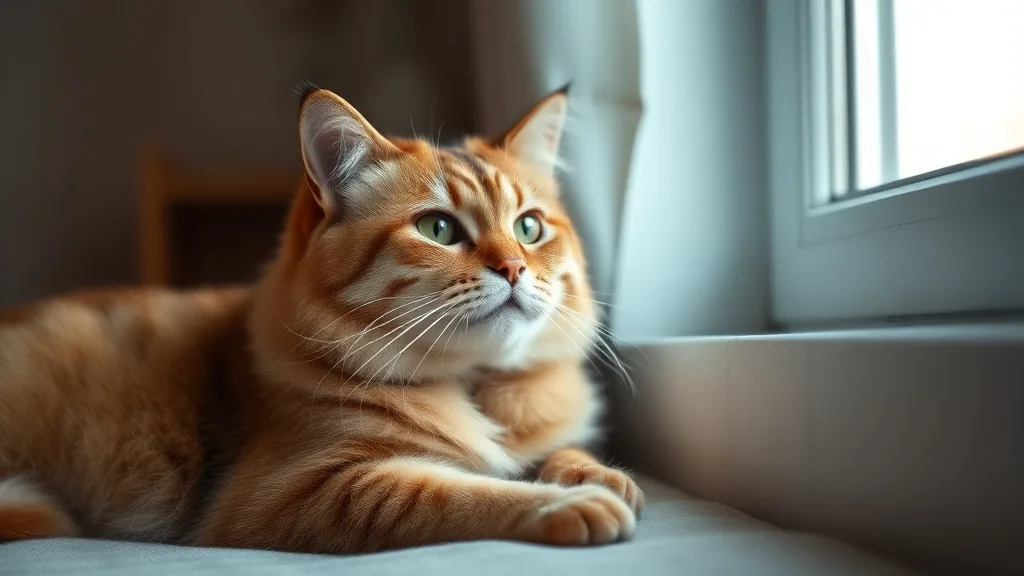
Many senior cats show increasing signs of anxiety as they age, whether it’s from changes in their environment, health challenges, or cognitive decline. This stress can affect their eating habits, litter box use, and overall quality of life. Pheromone therapy offers a non-invasive, drug-free option to help soothe anxious senior cats when used correctly. This guide covers what pheromone therapy is, how it works, when to use it, and key tips for maximizing its effectiveness in older feline companions.
What Is Pheromone Therapy?
Pheromone therapy involves using synthetic chemicals that mimic natural feline facial pheromones—compounds cats release to mark their territory as safe and secure. These synthetic pheromones help communicate calm, reduce stress-related behaviors, and create a reassuring environment for cats.
For senior cats, who may become more sensitive to household noise, changes in routine, or the presence of other pets, pheromone therapy can be a valuable part of an overall anxiety management plan.
See also: 30. Feline cognitive decline: what it looks like at the litter box
How Does Pheromone Therapy Work?
Cats use pheromones mainly through scent glands located around their face, paws, and tail. When cats rub their face on furniture or a favorite human, they deposit these chemicals, signaling a sense of safety and territory ownership.
Pheromone therapy products replicate these signals in controlled quantities. When dispersed in the environment—via diffusers, sprays, or wipes—the synthetic pheromones help calm cats by providing subconscious reassurance. Research and anecdotal evidence show pheromone therapy can:
- Reduce signs of anxiety such as excessive grooming, hiding, or aggression
- Encourage better adaptation to changes like moving homes or introducing new pets
- Promote restful behaviors and calmer social interactions
When to Use Pheromone Therapy for Senior Cats
Pheromone therapy is particularly helpful in circumstances where your senior cat’s anxiety triggers are predictable or ongoing:
-
Adjusting to a new living space
Moving can be stressful for any cat, but especially older ones sensitive to new smells and noises. -
Introduction of new pets or people
A pheromone diffuser in shared spaces helps ease territorial tensions or wariness. -
Vet visits and travel
Applying pheromone spray to carriers or bedding can soothe stressful trips. -
Environmental changes
Construction noise, visitors, or internal household renovations often heighten stress. -
Age-related cognitive decline
Cats with signs of feline cognitive dysfunction may benefit from a calm, familiar scent environment.
Pheromone therapy works best as an ongoing support tool rather than a one-time fix.
How to Use Pheromone Therapy: Step-by-Step Guide
Here’s how to properly use pheromone therapy for your senior cat:
1. Choose the Appropriate Product Type
- Diffuser: Plugs into an electrical outlet and continuously releases pheromones into the room over 30 days or so. Best for multi-cat households or larger spaces where the cat spends most time.
- Spray: Use on bedding, carriers, or around areas your cat frequents. Great for targeted, short-term use like trips or vet visits.
- Wipes or collars: Less common for seniors but useful if direct application near the face or on bedding is desirable.
2. Identify Key Areas
Place diffusers in the rooms your cat frequents—usually living rooms, bedrooms, or near feeding and litter areas. Avoid placing diffusers near windows or vents that may disperse pheromones outside.
3. Use Continuously for Best Results
Continuous exposure over several weeks is often needed before you see behavioral improvements. Start at least two weeks before a predictable stress event (e.g., moving day).
4. Pair With Other Comforting Strategies
Pheromone therapy is a tool, not a cure. Combine it with:
- Renal-friendly nutrition to support overall health and reduce discomfort-related stress
- Easy access to litter boxes on each floor of your home
- Soft bedding and elevated resting spots for joint comfort
- Low-stress vet visits—book quiet times, handle gently, and acclimate your cat slowly
5. Monitor and Adjust
Track your cat’s behavior for signs of improvement or worsening anxiety. Consult your vet if anxiety escalates or new health issues appear.
Common Pitfalls When Using Pheromone Therapy
- Expecting immediate or dramatic results: Behavioral changes often take weeks and are subtle.
- Using pheromones in isolated areas only: The cat’s whole environment needs to feel secure.
- Ignoring underlying medical issues: Anxiety in seniors can be a sign of pain or illness.
- Over-reliance on pheromones: Therapy should complement veterinary care and environmental enrichment.
Pheromone Delivery Methods Comparison
| Feature | Diffuser | Spray | Wipes |
|---|---|---|---|
| Application Area | Room-wide environment | Targeted surfaces or carriers | Bedding or direct contact areas |
| Duration of Effect | Continuous, about 30 days | Immediate but short-term | Temporary, reapply as needed |
| Best Use Scenario | Multi-cat households, home use | Vet visits, travel, new places | Bedding refresh, direct comfort |
| Ease of Use | Plug and forget | Requires repeated application | Frequent application required |
| Cost Over Time | Moderate to high | Lower per use, but repeated | Comparable to spray |
Maximizing Success With Pheromone Therapy
- Use pheromone products consistently and proactively rather than reactively.
- Keep your senior cat’s routine as consistent as possible.
- Ensure your cat has easy access to resources: litter boxes, food, water, and quiet resting places.
- Maintain joint mobility through gentle exercise and vet-recommended supplements.
- Monitor for signs that anxiety might have an underlying medical cause (e.g., kidney disease or arthritis pain).
Pheromone therapy can be one gentle piece of the puzzle in improving your senior cat’s comfort and emotional wellbeing.
Frequently Asked Questions
Q: How long does it take to see results from pheromone therapy?
A: Typically, it takes 2 to 4 weeks of continuous use to notice calming effects, though some cats may respond faster.
Q: Can pheromone therapy replace medication for anxiety?
A: Pheromone therapy is best as a complementary tool and often not sufficient alone for severe anxiety or medical causes.
Q: Is pheromone therapy safe for multi-cat homes?
A: Yes, pheromone diffusers are designed to work throughout a household and can reduce tensions among multiple cats.
By carefully integrating pheromone therapy into your aging cat’s care plan, you can help reduce anxiety and create a calmer, healthier environment tailored to their senior needs.
Our picks worth a closer look
- Feliway Classic Starter Kit Plug-In Diffuser and Refill 48mlCheck on Amazon → — see current price and specs.
- Royal Canin Aging 12+ Dry Cat Food 7 lbCheck on Amazon → — see current price and specs.
- PetSafe Drinkwell Platinum Pet Water Fountain 168ozCheck on Amazon → — see current price and specs.
- K&H Pet Products Thermo-Kitty Heated Cat Bed Small MochaCheck on Amazon → — see current price and specs.
- Delectables Lickable Treat Gravy Senior 10+ Variety Wet Cat Treat & Food Topper,Check on Amazon → — see current price and specs.