
Managing Arthritis in Silvertail Cats Aged 10+ Through Vet Care

By Amelia Keller · Senior Editor
Published May 12, 2026 · Last reviewed May 12, 2026

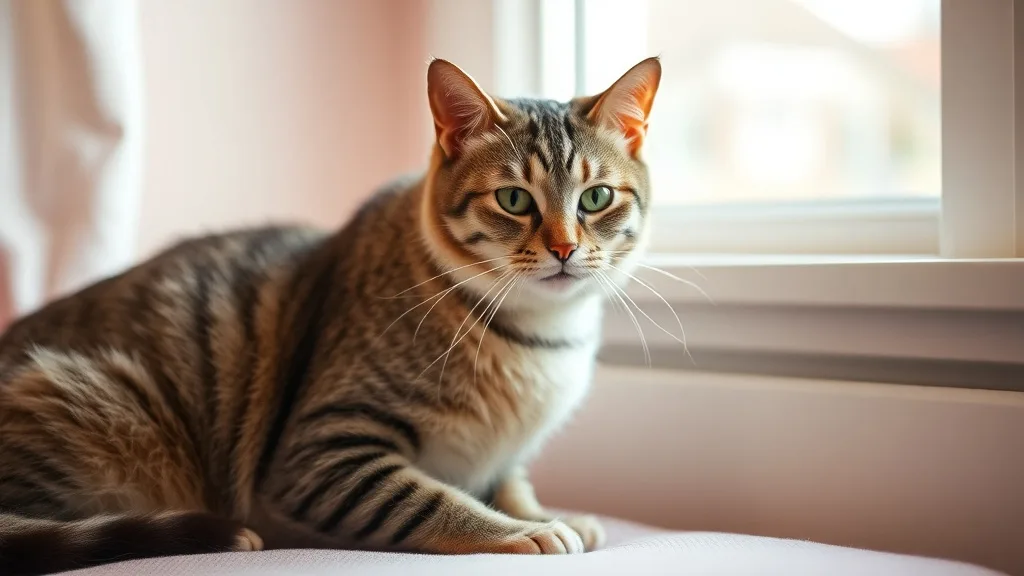
Managing Arthritis in Silvertail Cats Aged 10+ Through Vet Care
As your silvertail cat ages beyond ten years, you may notice changes in their mobility, stiffness, or reluctance to jump and play. These are often signs of arthritis, a common and painful joint condition in senior cats. Managing arthritis effectively through appropriate veterinary care can significantly improve your cat’s quality of life. This article explains how arthritis affects older cats, how veterinary interventions work, when to seek care, and common challenges owners face.
What Is Arthritis in Senior Cats?
Arthritis, also known as osteoarthritis or degenerative joint disease, is the gradual breakdown of cartilage in joints, leading to inflammation, stiffness, and decreased mobility. In silvertail cats aged 10 and older, arthritis is particularly common due to natural wear and tear, prior injuries, or underlying conditions like obesity.
Unlike dogs, cats often hide pain, so arthritis signs can be subtle: reduced activity, difficulty jumping on furniture, slower grooming, or irritability. Early recognition and management are key to preserving your cat’s independence.
See also: Holistic Vet Care for Arthritic Silvertail Cats Over a Decade Old
How Veterinary Care Manages Arthritis in Silvertail Cats
Veterinary management of arthritis in senior cats involves a multi-pronged approach that focuses on pain control, improving joint function, and adapting the cat’s environment. Here are the main components:
1. Diagnosis and Monitoring
Your vet will perform a thorough physical exam, looking for joint swelling, pain on manipulation, or decreased mobility. X-rays can confirm joint changes and rule out other causes like fractures or infections. Periodic monitoring tracks progression and treatment efficacy.
2. Pain Management
Cats require careful dosing and drug selection to minimize risks. Common approaches include:
- Non-steroidal anti-inflammatory drugs (NSAIDs): Specially formulated for cats to reduce inflammation and pain.
- Analgesics: Additional pain relievers may be recommended based on severity.
- Supplements: Nutraceuticals like omega-3 fatty acids, glucosamine, and chondroitin may support joint health.
3. Weight Management and Nutrition
Obesity exacerbates arthritis by increasing joint stress. Your vet will recommend a renal-friendly, senior-specific diet that balances ideal body weight with kidney health, which is common in older silvertail cats.
4. Environmental and Lifestyle Adaptations
Veterinarians often suggest practical changes to ease joint strain:
- Adding ramps or steps for furniture access.
- Keeping litter boxes with low entry points in easily accessible areas.
- Encouraging gentle, low-impact exercise to maintain muscle strength.
5. Physical Therapy and Alternative Treatments
Some clinics offer physical therapy modalities such as laser therapy, acupuncture, or hydrotherapy, which can promote healing and reduce stiffness.
When to Seek Veterinary Care for Arthritis
You should consult your veterinarian if your silvertail cat exhibits any of the following signs:
- Noticeable decrease in activity or jumps.
- Stiffness when moving, especially after resting.
- Changes in grooming habits or coat condition.
- Irritability or sensitivity when touched.
- Difficulty accessing litter boxes or food bowls.
Early veterinary intervention can slow arthritis progression and enhance daily comfort.
Common Pitfalls in Arthritis Management for Silvertail Cats
- Underdosing or avoiding pain medications: Fear of side effects may prevent adequate pain control; however, untreated pain diminishes quality of life.
- Neglecting weight control: Feeding practices often do not adjust for reduced activity, worsening joint stress.
- Ignoring environmental barriers: High litter box walls or unreachable resting spots cause unnecessary strain and frustration.
- Missing concurrent conditions: Kidney disease, dental problems, or other illnesses can exacerbate symptoms but might be overlooked.
Comparing Arthritis Management Options in Senior Cats
| Aspect | Medication (NSAIDs, Analgesics) | Supplements (Glucosamine, Omega-3) | Environmental Changes (Ramps, Litter Box Placement) | Physical Therapy (Laser, Hydrotherapy) |
|---|---|---|---|---|
| Ease of Implementation | Prescription and vet monitoring needed | Easy to add alongside food | Requires home adjustments | Requires clinic visits or equipment |
| Effectiveness | Provides significant pain relief | Supports joint health, mild effect | Reduces strain, improves accessibility | Enhances mobility, reduces stiffness |
| Risks/Side Effects | Potential kidney or GI issues | Generally safe, but quality varies | Minimal risk | Low risk, needs proper handling |
| Cost | Moderate to high | Low to moderate | Variable, often one-time setup | Moderate to high, repeated sessions |
| Best For | Moderate to severe arthritis | Early stages or adjunct therapy | Cats with mobility limitations | Cats responsive to therapy or with severe stiffness |
Practical Tips for Cat Owners
- Maintain regular veterinary check-ups every 6-12 months to monitor arthritis and renal health.
- Work with your vet to customize pain management — watch your cat’s behavior and adjust as needed.
- Invest in safe, easy access points for your cat’s favorite areas.
- Keep your silvertail cat’s weight in the ideal range through renal-friendly, arthritis-supportive diets.
- Offer gentle play and movement to sustain joint range of motion but avoid rough activity that can worsen pain.
Frequently Asked Questions
Q: Are arthritis medications safe for older cats with kidney disease?
A: Veterinarians carefully select and dose medications considering kidney function. Renal-friendly options and close monitoring help mitigate risks.
Q: How can I tell if my cat is in pain from arthritis?
A: Signs include reduced activity, reluctance to jump or climb, sensitivity when touched, changes in grooming, and sometimes vocalization.
Q: Can weight loss really improve my cat’s arthritis symptoms?
A: Yes, reducing excess weight lowers joint stress and inflammation, often resulting in noticeable mobility improvements.
Effective management of arthritis in your aging silvertail cat is a balance of veterinary care, home adaptations, and ongoing observation. Addressing this condition early and holistically ensures your companion enjoys their golden years with comfort and dignity.
Top Picks


Sponsored · From our family of brands

Phone Cases For Her
Cases with personal polish.