
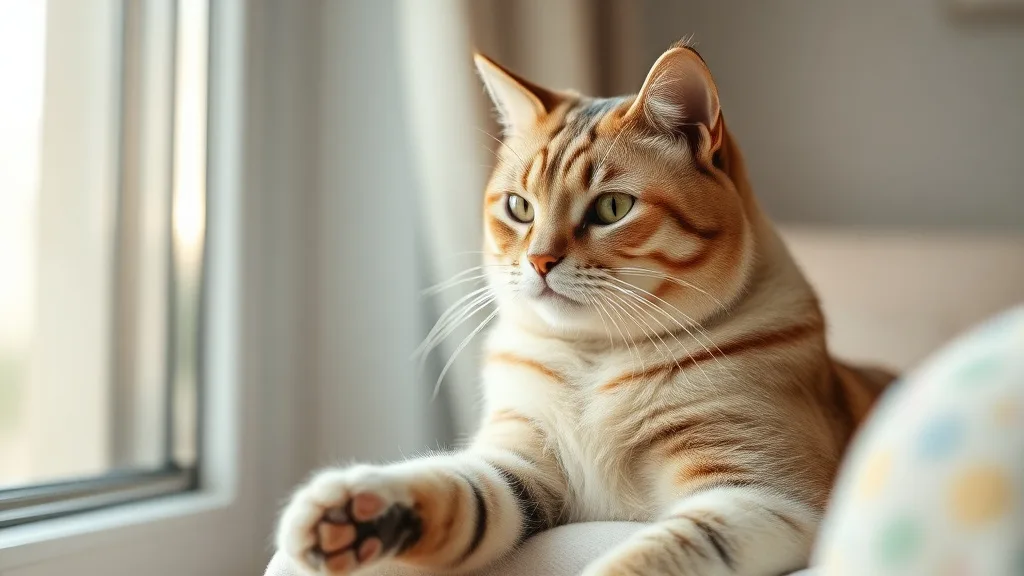
Managing weight in senior cats is one of the most effective ways to improve their overall health and quality of life. As cats age past 10 years, they often become less active and more prone to weight gain or obesity, which can worsen conditions like kidney disease, arthritis, diabetes, and heart problems. If you’re a cat owner noticing that your senior feline is getting heavier or less agile, understanding how to safely manage your cat’s weight can prevent unnecessary discomfort and extend their well-being.
What Managing Weight in Senior Cats Means
Managing weight in senior cats is more than just preventing obesity—it’s about maintaining an optimal body condition that supports healthy organ function, mobility, and energy levels tailored to your cat’s changing needs. Unlike younger cats, senior cats have different nutritional demands and often less muscle mass. Their metabolism slows, and health conditions can complicate weight control.
Managing weight involves:
- Monitoring your cat’s body condition regularly.
- Adjusting diet for renal-friendly, joint-supportive nutrition.
- Encouraging gentle, appropriate exercise.
- Minimizing stress during vet visits to catch early health issues.
- Adjusting litter box setup to accommodate mobility changes.
See also: Hydration Tips for Keeping Senior Cats Healthy and Comfortable
How Weight Affects Senior Cat Health
Excess weight puts strain on joints, which is especially problematic if arthritis is developing. Fat accumulation can increase the risk of diabetes and exacerbate renal (kidney) insufficiency—a common issue in senior cats. Conversely, unintentional weight loss may signal severe underlying health problems such as renal failure or cancer, requiring immediate vet attention.
Balancing weight helps:
- Reduce joint pain and improve mobility.
- Enhance appetite and digestion.
- Support healthy kidneys through renal-friendly diets with controlled protein and phosphorus.
- Improve cardiovascular health, reducing risks like hypertension.
Steps to Manage Weight Safely in Senior Cats
1. Assess Your Cat’s Body Condition Score (BCS)
Start by determining if your cat is overweight, underweight, or ideal. Many vets use a scale from 1 to 9, where 5 is ideal.
- Feel for ribs: You should be able to feel ribs without excess fat covering.
- Look for a waistline: When viewed from above, a slight indentation behind ribs is normal.
- Check the abdomen: Abdominal fat pads (belly sagging) can indicate overweight.
Discuss the BCS with your vet to get baseline guidance.
2. Choose Renal-Friendly Nutrition That Supports Weight Control
Senior cats often need diets formulated with:
- Controlled, high-quality protein to reduce kidney workload but maintain muscle.
- Restricted phosphorus and sodium to protect kidneys.
- Joint-supporting ingredients like omega-3 fatty acids.
- Moderate calorie reduction if overweight.
Avoid dramatic fasting or calorie slashing; instead, reduce calories gradually to prevent muscle loss.
3. Measure and Monitor Food Intake Precisely
Use a measuring cup or scale for feeding portions. Avoid free-feeding (leaving food out all day), which encourages overeating.
Consider multiple small meals per day to stimulate appetite and prevent begging behavior.
4. Promote Gentle Physical Activity
Encourage low-impact play like feather toys or laser pointers, short interactive sessions, or safe indoor exploration.
Mobility may be limited, so adapt activities to what your cat tolerates without stress.
5. Regular Vet Check-ups with Low-Stress Handling
Senior cats need semi-annual vet visits to catch weight and health changes early.
Use gentle carriers, calming pheromone sprays, or pre-visit familiar scents to reduce stress.
Discuss weight progress and any signs of discomfort with your vet.
6. Modify the Environment to Support Mobility and Litter Accessibility
Weight management is more effective when your cat can move comfortably:
- Provide low-step or ramped access to favorite resting spots.
- Use litter boxes with low sides to aid entry and exit.
- Keep food, water, and litter boxes in easy-to-reach locations.
Common Pitfalls in Senior Cat Weight Management
- Ignoring subtle weight changes: Senior cats lose or gain weight slowly; regular weighing at home or vet visits is crucial.
- Using young cat diets: These are often too high in calories and protein for seniors.
- Rapid weight loss programs: These risk hepatic lipidosis (fatty liver disease) in cats, which is often fatal.
- Skipping vet advice: Medical causes of weight issues require professional diagnosis.
- Underestimating stress: Stress can reduce appetite or increase hiding, complicating weight monitoring.
Comparison Table: Diet Options for Senior Cats Managing Weight
| Feature | Renal-Friendly Senior Diet | Weight Management Senior Diet | Regular Adult Cat Food | Homemade Diet |
|---|---|---|---|---|
| Protein Level | Moderate, high biological value | Controlled, often slightly reduced | Higher protein, not kidney-focused | Variable, needs careful balance |
| Phosphorus Content | Low | Moderate to low | Normal | Varies, risk of imbalance |
| Calorie Density | Moderate | Reduced to support weight loss | Higher calorie | Varies |
| Joint Support Ingredients | Often includes omega-3s, glucosamine | Often included | Rarely included | Possible with supplements |
| Ease of Finding in Stores | Easily available | Readily available | Widely available | Requires preparation |
| Best For | Cats with kidney disease or at risk | Cats overweight or at risk of obesity | Healthy adult cats | Individualized cases |
| Vet Supervision Recommended | Strongly recommended | Strongly recommended | Optional | Essential |
When to Seek Veterinary Help
- If your cat loses more than 10% of body weight rapidly.
- If you notice persistent lethargy, vomiting, or changes in urination.
- If joint stiffness or mobility problems suddenly worsen.
- If behavior or appetite changes abruptly during weight management.
Early intervention can greatly improve outcomes.
Frequently Asked Questions
Q: How often should I weigh my senior cat to monitor weight?
A: Ideally, weigh your senior cat monthly at home or during vet visits every 3-6 months to track gradual changes.
Q: Can older cats safely lose weight, or is it risky?
A: Senior cats can lose weight safely with gradual calorie reduction and vet guidance to prevent muscle loss and liver complications.
Q: What are signs my senior cat is losing too much weight?
A: Visible ribs, sunken eyes, loss of muscle mass, lethargy, and decreased appetite are red flags needing veterinary evaluation.
Managing your senior cat’s weight is a powerful way to support kidney health, joint comfort, and vitality. With careful attention to body condition, diet, and activity, you can help your feline companion live their golden years with more ease and happiness.
Our picks worth a closer look
- Pawvotum Glucosamine for Cats, Pet vitamins and supplements with Chondroitin, MSCheck on Amazon → — see current price and specs.
- Royal Canin Aging 12+ Dry Cat Food 7 lbCheck on Amazon → — see current price and specs.
- PetSafe Drinkwell Platinum Pet Water Fountain 168ozCheck on Amazon → — see current price and specs.
- Неmp Oil for Dogs Cats (2 Packs), Organic Pet Calming Drops Anxiеty Relief & StrCheck on Amazon → — see current price and specs.
- RiRywony Health 2 Pack Hemp Oil for Dogs & Cats- Helps Pets with Аnxiety, Pаin, Check on Amazon → — see current price and specs.