
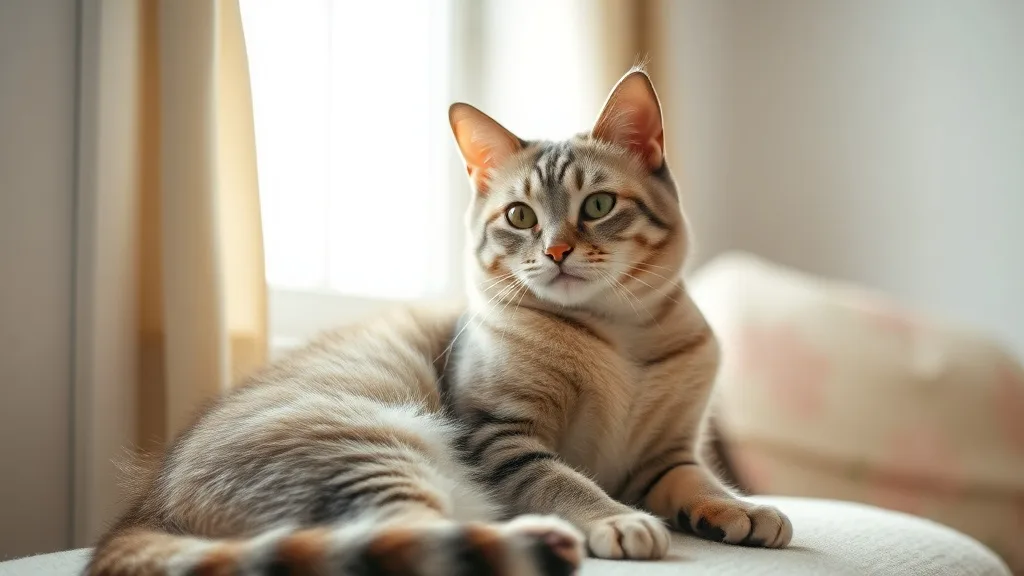
Optimizing Mobility Comfort for Silvertail Cats Over a Decade Old
Many owners of silvertail cats—those distinguished senior cats over ten years old—face the challenge of maintaining their feline’s mobility and comfort. As cats age, they naturally experience joint stiffness, reduced agility, and other health hurdles that can affect daily life. Supporting a senior cat’s mobility is crucial for their quality of life, yet many owners struggle with knowing how to best help without causing stress or inadvertently worsening conditions.
This article explores what mobility optimization means for older cats, how to implement practical steps to support their movement, when veterinary interventions come into play, and common pitfalls to avoid.
What Is Mobility Optimization for Senior Cats?
Mobility optimization refers to all strategies or interventions aimed at helping senior cats maintain or improve their ability to move comfortably and safely. This encompasses physical aspects such as joint health, muscle tone, and pain management, alongside environmental adaptations that minimize obstacles for stiff joints or limited flexibility.
For silvertail cats over a decade old, mobility challenges often stem from:
- Osteoarthritis and joint inflammation
- Muscle weakening due to inactivity or age
- Decreased flexibility in tendons and ligaments
- Pain from underlying medical conditions such as kidney disease or dental issues
- Cognitive decline affecting movement or coordination
Effective mobility optimization combines nutritional support, physical comfort, stress reduction during vet visits, appropriate litter accessibility, and honest discussions about end-of-life comfort care.
See also: Silvertail Cat Mobility Aids: Enhancing Life After Ten Years
How Mobility Optimization Works: Key Components
1. Renal-Friendly Nutrition That Supports Joint Health
Many senior cats develop chronic kidney disease (CKD), which requires renal-friendly diets lower in phosphorus and protein content to reduce kidney workload. Fortunately, select renal-friendly foods also contain omega-3 fatty acids and antioxidants that help reduce joint inflammation and support cartilage.
- Added omega-3s (EPA/DHA) can ease joint pain and improve mobility
- Antioxidants like vitamins E and C combat oxidative stress which exacerbates joint degeneration
- Controlled protein levels protect kidneys without compromising muscle mass maintenance
Providing nutrition tailored to both renal health and joint support forms the foundation of non-invasive mobility improvement.
2. Low-Stress Veterinary Visits
Senior cats often associate vet visits with stress that can aggravate arthritis and other conditions affecting mobility. Minimizing stress not only helps emotional well-being but also prevents physical stiffness post-visit.
- Use carriers that open on top rather than front to reduce entrapment stress
- Schedule visits during familiar quiet hours
- Ask the vet about stress-relief techniques such as pheromone sprays or pre-visit calming supplements
- Explore mobile vet visits to avoid travel stress
Reducing stress during vet encounters encourages regular check-ups critical for monitoring mobility-related health issues.
3. Joint Mobility Exercises and Weight Management
Maintaining a healthy weight eases the load on aging joints. Regular gentle exercises improve circulation and flexibility which slows degeneration.
- Short play sessions with soft toys encourage low-impact movement
- Gradual introduction of active exploration in safe spaces
- Massage and gentle stretching, guided by a vet or feline physiotherapist, stimulate joint health
Avoid sudden or high-intensity activities that may cause pain or injury.
4. Making Litter Boxes Senior Cat Friendly
Many senior cats reduce litter box usage if getting in and out becomes painful or impossible due to joint stiffness or muscle weakness.
- Opt for litter boxes with low entry height or ramp access
- Place boxes in easily accessible, quiet locations
- Use soft, dust-free litter to minimize respiratory and paw irritation
- Provide multiple boxes in different rooms to accommodate reduced movement range
Accessible litter boxes prevent accidents and enable cats to maintain dignity and comfort.
5. End-of-Life Comfort Care: The Gentle Truth
Despite proactive care, mobility for cats over a decade old can eventually decline to a point where comfort and quality of life need reassessment.
- Monitor for increased hiding, reluctance to move, vocalization of pain, or loss of appetite
- Discuss pain management options with your vet, including supplements, medications, or acupuncture
- Consider mobility aids such as soft harnesses or padded bedding
- Honest conversations about humane endpoints help owners make compassionate decisions
End-of-life mobility comfort care prioritizes dignity and pain-free life over unnecessary interventions.
When to Use Veterinary Interventions
Veterinary involvement is essential anytime there is a noticeable decline in mobility, pain signs, or coat and weight changes. Early diagnosis of arthritis, kidney issues, or other conditions enhances intervention effectiveness.
Common vet-initiated treatments include:
- Anti-inflammatory medications or joint supplements tailored to renal-safe formulations
- Diagnostic imaging for joint damage assessment
- Physical therapy and hydrotherapy recommendations
- Kidney function monitoring and diet adjustment
Timely veterinary care combined with at-home practices optimizes mobility long-term.
Common Pitfalls to Avoid
| Pitfall | Explanation | Effect on Senior Cat | How to Avoid |
|---|---|---|---|
| Over-exercise | Forcing high-impact activity can worsen joints | Increased pain, inflammation, or injury | Stick to gentle, short sessions; consult vet |
| Ignoring weight gain | Extra weight adds joint strain | Accelerated arthritis progression | Monitor diet, provide controlled portions |
| Using inappropriate litter boxes | High-sided boxes cause painful entry/exit | Reduced litter use, accidents | Use low-entry boxes, ramps, multiple locations |
| Stressful vet visits | Anxiety worsens arthritis symptoms | Reluctance for vet check-ups, worsening health | Use calming strategies and mobile vets |
| Skipping end-of-life planning | Delays in care decisions cause unnecessary pain | Reduced quality of life, distress | Have ongoing vet discussions about comfort |
Avoiding these pitfalls ensures senior cats benefit fully from mobility comfort efforts.
Practical Comparison: Senior Cat Mobility Support Strategies
| Strategy | Description | Best Use Case | Pros | Cons |
|---|---|---|---|---|
| Renal-Friendly Joint Diet | Specialized cat food balancing kidneys + joints | Cats with CKD + arthritis | Low kidney strain, joint inflammation reduction | Cost higher than standard diets |
| Gentle Physical Exercise | Low impact movement, massage | Overweight or inactive seniors | Maintains muscle tone, increases mobility | Requires owner time, gradual build-up |
| Modified Litter Box Setup | Litter boxes with ramps or low entry | Cats with arthritis, stiffness | Encourages litter use, reduces accidents | Multiple boxes needed for access |
| Pain Medication + Supplements | Vet-prescribed anti-inflammatory and joint supplements | Moderate to severe joint pain | Effective pain relief and joint support | Possible side effects, prescription needed |
| Stress-Reducing Vet Visits | Calming methods for checkups | All senior cats; those with anxiety | Better health monitoring, less trauma | May require vet cooperation |
| End-of-Life Comfort Care | Palliative care including pain management, bedding | Advanced age, declined mobility | Maintains dignity and comfort | Emotional difficulty for owner |
This matrix assists owners in selecting a multi-faceted approach tailored to their silvertail cat’s precise needs.
Conclusion
Optimizing mobility comfort for senior cats over ten years old requires a thoughtful, integrated approach. Nutritional management compatible with renal needs, minimizing stress during vet visits, encouraging gentle activity, accessible litter arrangements, and preparing for later life stages form the pillars of effective care. With patience and attention, owners can significantly enhance their silvertail cats’ quality of life during their golden years.
Frequently Asked Questions
Q: How can I tell if my senior cat is experiencing joint pain?
A: Signs include limping, reluctance to jump or climb, stiffness after resting, and reduced grooming in hard-to-reach areas.
Q: Is exercise important for older cats with arthritis?
A: Yes, but it should be low-impact and gentle. Short play sessions or guided massages help maintain joint flexibility without overloading.
Q: What should I discuss with my vet about my senior cat’s mobility?
A: Ask about safe pain management options, joint supplements compatible with kidney health, physical therapy, and when to consider comfort-oriented care.
Our picks worth a closer look
- Pawvotum Glucosamine for Cats, Pet vitamins and supplements with Chondroitin, MSCheck on Amazon → — see current price and specs.
- 2Pack Hemp Oil for Dogs & Cats, Anxiety & Stress Relief Drops with Omega 3-6-9,HCheck on Amazon → — see current price and specs.
- Неmp Oil for Dogs Cats (2 Packs), Organic Pet Calming Drops Anxiеty Relief & StrCheck on Amazon → — see current price and specs.
- Pet Неmр Oil for Dogs and Cats 2 Packs, Organic Oil for Anxiеty Strеss Pαin HoliCheck on Amazon → — see current price and specs.
- RINGCO Pet Heating Pad for Cats & Small Dogs with 12 Adjustable Temperature, WatCheck on Amazon → — see current price and specs.