
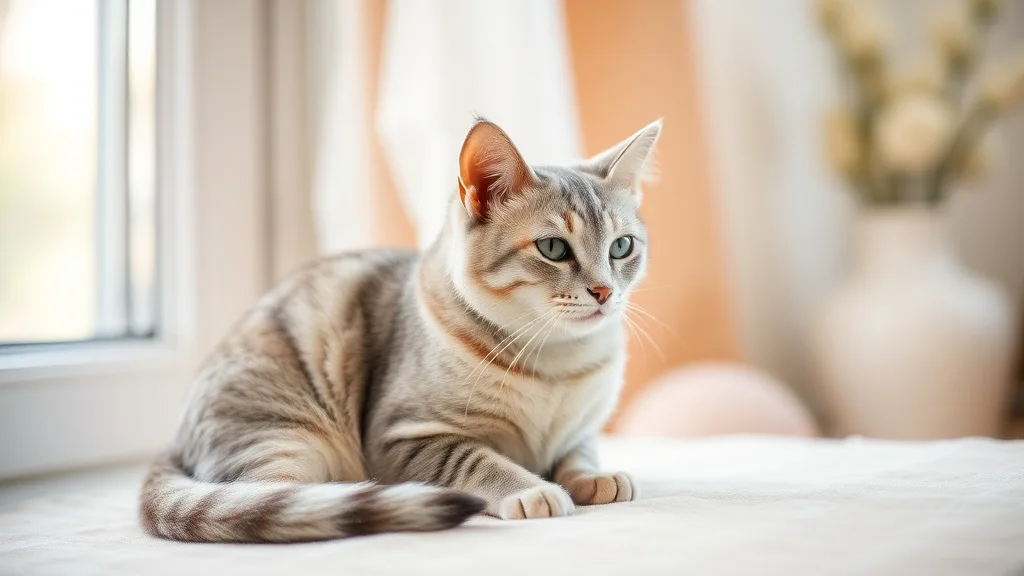
Preventing Mobility Loss in Aging Silvertail Cats Through Diet and Care
If you’re noticing your silvertail cat slowing down, having trouble jumping onto favorite perches, or hesitating to chase toys as before, you’re likely facing early signs of mobility decline. This is a common challenge in senior cats (age 10+), but with thoughtful diet choices and careful daily management, you can support your cat’s joint health, reduce discomfort, and maintain their active lifestyle longer.
What Mobility Loss Looks Like in Senior Cats
Mobility loss can manifest subtly or quickly. Common signs include:
- Reluctance to jump or climb
- Lameness or limping
- Stiffness after resting
- Difficulty grooming hindquarters
- Muscle wasting
- Decreased playfulness
These symptoms often result from arthritis, muscle deterioration, or other age-related conditions affecting joints and connective tissues.
See also: Safe Exercise Routines to Improve Mobility in Older Cats
How Diet Influences Joint and Muscle Health
Nutrition plays a critical role in managing and preventing mobility challenges. Proper dietary choices can:
- Reduce inflammation through omega-3 fatty acids
- Support cartilage repair with glucosamine and chondroitin
- Maintain lean muscle mass via high-quality protein
- Protect kidney health to ensure overall wellness in senior cats
Renal-Friendly Nutrition
Senior cats often face kidney function decline. Diets high in protein but low in phosphorus and sodium support kidney health but must balance the protein source quality and quantity carefully. Excessive protein with poor-quality amino acids can burden kidneys, while insufficient protein leads to muscle loss and weakness.
Anti-Inflammatory Nutrients
Long-chain omega-3 fatty acids (EPA and DHA), commonly from fish oils, reduce joint inflammation and slow cartilage degradation. Antioxidants like vitamin E and beta-carotene further help by decreasing oxidative stress, which worsens joint damage.
Joint-Supportive Supplements
Glucosamine and chondroitin sulfate, natural components of cartilage, improve joint lubrication and repair mechanisms. Some commercial senior cat diets include these; otherwise, veterinary-prescribed supplements might be recommended.
Core Strategies to Prevent Mobility Loss in Silvertail Cats
1. Maintain an Appropriate, Balanced Diet
Work with your veterinarian to choose or tailor a kidney-friendly senior cat diet that supports joint health. Focus on:
- High-quality protein: Maintain muscle mass without overloading kidneys.
- Controlled phosphorus and sodium: Protect kidney function.
- Added omega-3 fatty acids: Combat inflammation.
- Joint supplements: If recommended by your vet.
2. Monitor and Manage Healthy Weight
Obesity increases joint stress. Senior cats should be lean yet not underweight, as muscle wasting impairs mobility too. Regularly weigh your cat and consult your vet for ideal body condition.
3. Encourage Gentle, Regular Movement
Encourage low-impact activities like short play sessions and climbing on accessible scratching posts. Muscle strength helps stabilize joints and slows arthritis progression.
4. Provide Easy Home Accessibility
Senior cats benefit from:
- Low-entry litter boxes: Reduce difficulty in stepping in/out.
- Ramps or steps: Help reach favorite sleeping spots or windows.
- Soft bedding: Cushions inflamed joints.
5. Reduce Stress During Vet Visits
Stress exacerbates inflammation and complicates mobility issues. Use strategies like:
- Calm carrier trains at home
- Scheduled appointments during quiet clinic hours
- Familiar blankets or pheromone sprays in carriers
6. Regular Health Monitoring
Routine vet check-ups to detect early arthritis signs, kidney function changes, or muscle loss provide a chance for timely interventions.
Common Pitfalls and How to Avoid Them
- Ignoring Early Signs: Mobility decreases can progress quickly; early action has better results.
- Improper Diet Adjustments: Avoid fad or homemade diets without vet input, especially for kidney-compromised seniors.
- Overfeeding Supplements: Excess glucosamine or omega-3 can cause digestive upset or other issues.
- Neglecting Environmental Modifications: Cats with mobility difficulties often struggle with inaccessible litter boxes or high sleeping areas.
- Skipping Exercise: While rest is important, complete inactivity accelerates muscle loss.
Sample Comparison Table: Dietary Factors Affecting Mobility in Senior Silvertail Cats
| Feature | Benefits | Precautions | Best For |
|---|---|---|---|
| High-Quality Protein | Maintains muscle mass | Must be balanced for kidneys | Cats with normal kidney function |
| Controlled Phosphorus | Protects kidney function | Too low may limit nutrition | Cats with CKD (Chronic Kidney Disease) |
| Omega-3 Fatty Acids | Reduces joint inflammation | Excess can cause bleeding risk | Cats with early arthritis |
| Glucosamine & Chondroitin | Supports cartilage repair | Possible upset stomach | Cats with osteoarthritis |
| Antioxidants | Combats oxidative stress | No major risks but needs balance | All senior cats |
Summary
Preventing mobility loss in aging silvertail cats requires a combination of careful dietary management and thoughtful daily care practices. Feeding a kidney-friendly but joint-supportive diet, maintaining a healthy weight, encouraging gentle movement, optimizing home setup for accessibility, and minimizing stress during vet visits can all contribute to preserving your cat’s active life. Early intervention and close veterinary cooperation are key to effective mobility maintenance.
Frequently Asked Questions
Q: How much omega-3 fatty acid should I give my senior cat?
A: Dosage varies by product and your cat’s health status. Always consult your vet before adding supplements to ensure safety and balance.
Q: Can joint supplements replace a special diet for arthritis?
A: Supplements are supportive but do not replace the importance of a well-balanced diet tailored to both kidney and joint health needs.
Q: What if my cat refuses to exercise due to pain?
A: Talk to your vet about pain management options. Once discomfort reduces, encourage short, low-impact activities to rebuild strength gradually.
Our picks worth a closer look
- Pawvotum Glucosamine for Cats, Pet vitamins and supplements with Chondroitin, MSCheck on Amazon → — see current price and specs.
- 2Pack Hemp Oil for Dogs & Cats, Anxiety & Stress Relief Drops with Omega 3-6-9,HCheck on Amazon → — see current price and specs.
- Royal Canin Aging 12+ Dry Cat Food 7 lbCheck on Amazon → — see current price and specs.
- Неmp Oil for Dogs Cats (2 Packs), Organic Pet Calming Drops Anxiеty Relief & StrCheck on Amazon → — see current price and specs.
- Pet Неmр Oil for Dogs and Cats 2 Packs, Organic Oil for Anxiеty Strеss Pαin HoliCheck on Amazon → — see current price and specs.