
Recognizing Thyroid Disease Symptoms in Senior Silvertail Cats

By Amelia Keller · Senior Editor
Published May 12, 2026 · Last reviewed May 12, 2026
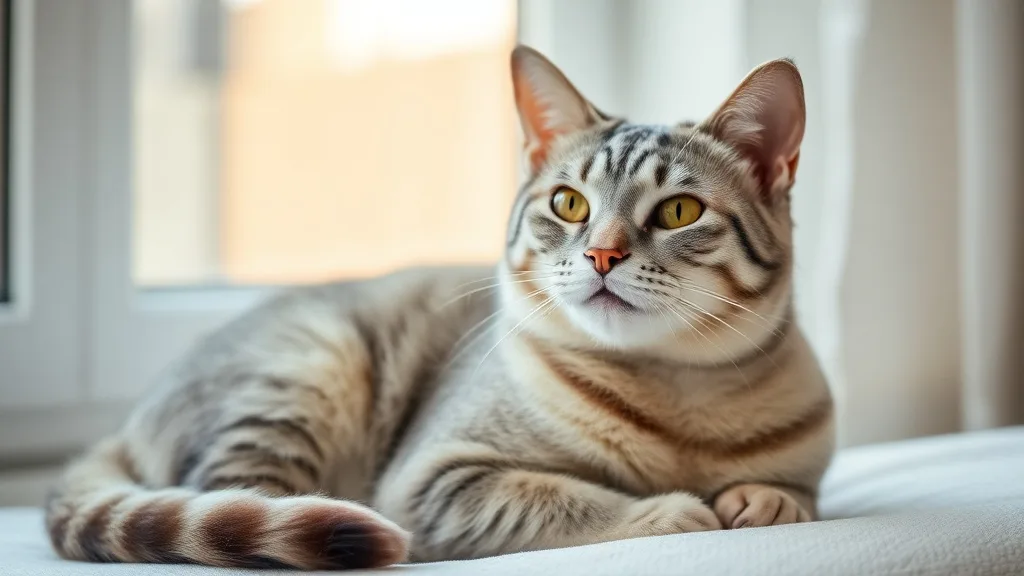
Recognizing thyroid disease symptoms in senior silvertail cats—a task many cat owners face as their pets enter their golden years—can be challenging. Because signs can be subtle or confused with normal aging or other health issues, timely recognition and intervention are key to maintaining your cat’s quality of life. This article will guide you through the essentials of thyroid disease in older cats, how it manifests, and what you can do to help your silvertail cat thrive.
What Is Thyroid Disease in Senior Cats?
Thyroid disease in cats primarily refers to hyperthyroidism, a condition caused by an overproduction of thyroid hormone by the thyroid glands. This hormone regulates metabolism, so excess production speeds up many bodily functions. Hyperthyroidism is the most common endocrine disorder in aging cats, typically appearing in cats over 10 years old, making silvertail (senior) cats particularly vulnerable.
Unlike hypothyroidism (an underactive thyroid) that is more rare in cats, hyperthyroidism can cause a range of symptoms that mimic other diseases or normal signs of aging, often leading to misdiagnosis or late detection.
See also: Thyroid Health Monitoring for Silvertail Cats Over Ten Years Old
How Hyperthyroidism Works
The thyroid glands sit near the trachea in your cat’s neck and control how quickly cells use energy. When hyperthyroidism develops, usually due to benign tumors or hyperplasia of thyroid tissue, it causes increased metabolic activity. This “metabolic overdrive” affects multiple organ systems, including the heart, digestive tract, and nervous system, contributing to a sometimes dramatic change in health and behavior.
When to Look for Thyroid Disease Symptoms in Senior Cats
Thyroid disease can develop gradually but often accelerates as cats age. Watch closely for symptoms starting around or after your cat’s tenth birthday. Early detection can prevent serious complications like heart disease, high blood pressure, and weight loss-related muscle wasting.
Recognizing Symptoms: Common Signs of Hyperthyroidism in Senior Silvertail Cats
Here are the hallmark signs to watch for, each with brief reasoning:
- Weight Loss Despite Increased Appetite: Cats may appear hungry all the time yet lose weight. This is a key indicator due to increased metabolism burning calories faster.
- Increased Thirst and Urination: Excess thyroid hormone increases blood flow to kidneys, altering urine output and stimulating thirst.
- Hyperactivity or Restlessness: Your cat may become unusually active, nervous, or irritable.
- Unkempt Coat or Increased Shedding: Skin and coat health may decline as the body is stressed by excess hormone.
- Vomiting or Diarrhea: Gastrointestinal upset is common.
- Rapid or Irregular Heartbeat: Thyroid hormones overstimulate the heart, potentially causing a noticeable pulse or breathing changes.
- Increased Vocalization: Cats might meow loudly and more often.
- Poor Muscle Condition: Muscle wasting or weakness may be noticeable, especially along the spine and hips.
Some symptoms overlap with other senior cat issues like kidney disease or arthritis, so professional diagnosis is essential.
How to Confirm Thyroid Disease in Your Cat
If you observe these symptoms, schedule a veterinary examination. Diagnosis typically includes:
- Physical Examination: Palpation of enlarged thyroid glands (‘thyroid slip’).
- Blood Tests: Measuring thyroid hormone levels (T4) is the standard diagnostic test.
- Additional Screening: Blood pressure, kidney function, and heart evaluation to assess the effects of thyroid disease.
Managing Thyroid Disease in Senior Cats
Treatment options should be discussed with your veterinarian and tailored for your cat’s overall health. Common routes include:
- Medication: Oral anti-thyroid drugs to regulate hormone production.
- Dietary Management: Prescription renal and thyroid-support diets support organ health.
- Radioactive Iodine Therapy: Targets and selectively destroys overactive thyroid cells.
- Surgery: Thyroidectomy in selected cases.
- Monitoring: Regular bloodwork and physical exams are critical for ongoing management.
Comparison Table: Treatment Options for Thyroid Disease in Senior Cats
| Feature | Medication | Radioactive Iodine Therapy | Surgery | Dietary Management |
|---|---|---|---|---|
| Effectiveness | Controls symptoms but needs daily administration | Potentially curative with single treatment | Curative but riskier in older cats | Supports thyroid and kidney health, adjunct therapy only |
| Invasiveness | Low (oral pills) | Low (hospital stay required) | High (anesthesia, recovery needed) | None (dietary) |
| Side Effects/Risks | Possible liver or blood side effects | Minimal if properly administered | Surgical risks increase with age | Minimal, but may not be sufficient alone |
| Cost | Moderate to low (long term) | High upfront but usually one-time | Moderate to high | Low to moderate |
| Suitability for Senior Cats | Very suitable, routine use | Generally good, especially if other health issues permit | Riskier due to anesthesia concerns | Very suitable as supportive care |
Practical Steps for Cat Owners: What to Do If You Suspect Thyroid Disease
- Monitor and Record Symptoms: Track appetite, activity, weight, and behavior changes.
- Schedule a Veterinary Visit: Share your observations specifically referring to thyroid concerns.
- Follow Diagnostic Recommendations: Complete blood work and additional tests as advised.
- Discuss Treatment Options Thoroughly: Consider your cat’s age, quality of life, and any coexisting conditions.
- Implement the Treatment Plan Carefully: Administer medications or change diets per instructions.
- Regular Follow-up Care: Plan for periodic testing and vet visits to track progress.
- Manage Stress and Ensure Comfort: Use low-stress handling at home and the vet to prevent exacerbation of symptoms.
Common Pitfalls to Avoid
- Ignoring Subtle Symptoms: Weight loss and hyperactivity can be misattributed to aging or other diseases like kidney failure.
- Self-medicating: Never give unprescribed thyroid medication, as improper treatment may worsen the condition.
- Skipping Regular Monitoring: Thyroid levels can fluctuate; untreated or poorly managed hyperthyroidism leads to serious complications.
- Overlooking Other Conditions: Always check for concurrent illnesses common in senior cats, including renal and cardiac diseases.
Frequently Asked Questions
Q: How quickly can hyperthyroidism develop in senior cats?
A: It often develops gradually over months but can accelerate rapidly. Early symptoms may be mild and easily missed.
Q: Can thyroid disease affect my cat’s kidney health?
A: Yes, untreated hyperthyroidism can worsen existing kidney disease. Treatment often helps stabilize both.
Q: Is hyperthyroidism curable in senior cats?
A: It can be effectively managed and even cured in some cases with therapies like radioactive iodine or surgery, depending on the cat’s overall health.
Recognizing and managing thyroid disease in your senior silvertail cat means paying close attention to subtle changes and partnering with your veterinarian for timely care. With proper diagnosis and treatment, many cats continue to enjoy a comfortable and active life well into their senior years.
Top Picks


Sponsored · From our family of brands

Phone Cases For All
Cases that match your energy.