
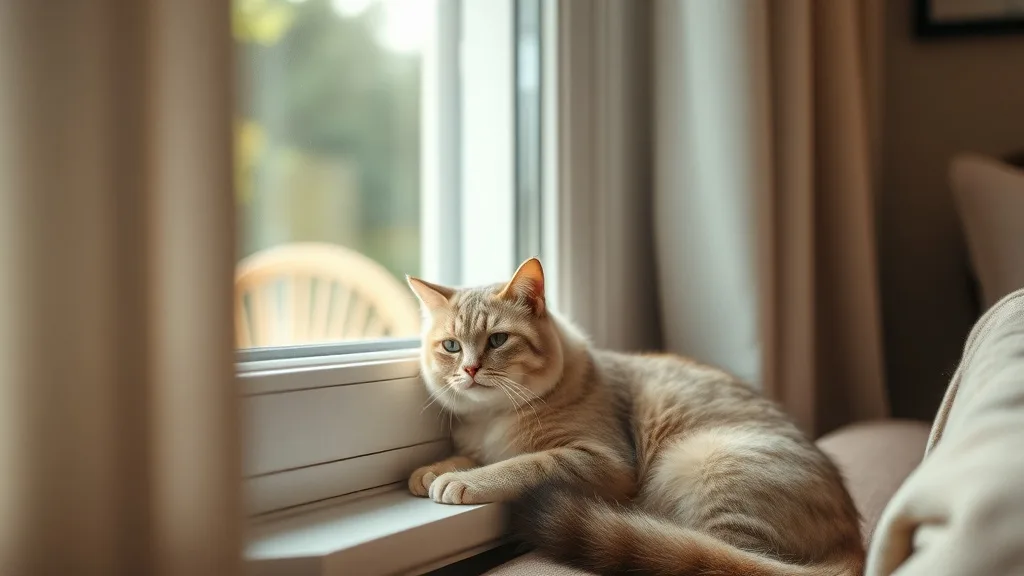
Recognizing When It’s Time for Hospice Care in Senior Cats
Many owners of senior cats face a difficult and deeply personal challenge: knowing when to transition from curative treatments and routine care to hospice care focused on comfort. With cats often stoic and subtle in showing pain or decline, it’s easy to miss key signs that your feline companion’s quality of life is waning. Understanding when hospice care is appropriate can make a profound difference in your cat’s final chapter, ensuring dignity, peace, and minimal suffering.
What Is Hospice Care for Senior Cats?
Hospice care in veterinary medicine refers to compassionate, supportive care offered to animals with incurable, progressive diseases or those declining due to advanced age. Unlike aggressive treatment aimed at cure or prolonged survival, hospice prioritizes comfort, pain relief, emotional well-being, and quality of life.
For senior cats, hospice means:
- Managing chronic pain and symptoms (such as kidney failure or arthritis).
- Adjusting daily care to their changing needs.
- Minimizing stress during vet visits and at home.
- Supporting mobility, nutrition, hydration, and hygiene.
- Preparing for an eventual, peaceful end-of-life transition.
Hospice care can be delivered at home, often involving close communication with your veterinarian. It’s about honoring your cat’s dignity and making their “golden years” as comfortable as possible.
See also: Recognizing Signs of Cognitive Decline in Senior Cats Early
How Hospice Care Works
Hospice care is highly individualized but generally follows a compassionate approach with these components:
1. Thorough assessment of the cat’s health status: Tracking chronic illness progression, mobility, cognitive function, and appetite. Regular vet visits become more focused on comfort than diagnostics.
2. Pain and symptom management: Using prescribed medications or therapies to relieve arthritis pain, kidney disease discomfort, digestive issues, or other sources of distress.
3. Environmental and lifestyle adjustments: Providing soft bedding, easy-to-access litter boxes, ramp access if stairs are difficult, and calming spaces to reduce anxiety.
4. Nutritional support: Offering renal-friendly diets suited for senior cats prone to kidney issues, with hydration encouragement like wet food or water fountains.
5. Emotional support: Spending quality time, gentle handling, and recognizing behavioral changes that may indicate discomfort or fear.
Throughout hospice, the caregiver collaborates closely with their vet to adjust the care plan as conditions evolve.
When to Consider Hospice Care: Key Signs
Deciding when hospice care is appropriate is rarely straightforward. It requires honest evaluation of your cat’s quality of life and your willingness and ability to provide or manage supportive care. Here are important indicators:
| Sign | Explanation | Action Step |
|---|---|---|
| Significant weight loss | Unintentional, progressive decline despite eating attempts | Consult vet; consider diet adjustments |
| Decreased mobility or stiffness | Difficulty jumping, walking, or using litter due to arthritis or weakness | Provide ramps, soft bedding; pain management |
| Reduced appetite or dehydration | Eating less for days or refusing food; drinking less | Switch to renal-friendly wet foods; encourage water intake |
| Labored or noisy breathing | Difficulty breathing, panting, or gasping | Immediate vet evaluation for comfort interventions |
| Loss of litter box use | Holding urine/feces outside litter due to pain or confusion | Use accessible litter boxes; assess pain and mobility |
| Behavioral changes | Hiding, irritability, decreased interaction | Increase gentle handling; consult vet for pain or anxiety meds |
| Chronic illness progression | Diagnosed kidney disease, cancer, heart failure worsening | Review care goals with vet; shift focus to comfort |
| Cognitive decline | Disorientation, vocalizing at night, less responsive | Maintain routine; provide a quiet, safe space |
No one sign alone means hospice care is necessary, but a combination of multiple signs consistently signals that comfort-focused care is appropriate.
Adjusting Care During Hospice: What to Prioritize
Once hospice care begins, the focus shifts from curing disease to maximizing your cat’s ease and enjoyment of life. Here are practical steps you can take:
1. Renal-Friendly Nutrition
Kidney disease is common in senior cats and can accelerate decline. Offer foods formulated to reduce kidney workload by being lower in protein and phosphorus, but still palatable to encourage eating. Wet food is preferable to help hydration. You may need to warm food slightly or hand-feed if appetite wanes.
2. Managing Joint Mobility
Arthritis pain can make even simple movements painful. Provide orthopedic-style soft bedding that supports joints and is easy to enter and exit. Install low-sided litter boxes and ramps to favorite spots. Pain control medications from your vet are essential. Gentle physical therapy or massage may help maintain comfort.
3. Litter Accessibility
As mobility and cognition decline, your cat may struggle to reach or use a litter box, increasing risk of accidents and stress. Use multiple, accessible litter boxes with low entry points placed close to resting areas. Maintain consistent litter type to avoid confusion. Clean boxes frequently and consider litter attractants if recommended.
4. Low-Stress Veterinary Visits
Veterinary visits can be stressful and sometimes counterproductive near end-of-life. Minimize trips by scheduling longer, less frequent appointments focused on comfort assessment. Consider mobile or in-home vet visits if available. Always bring favorite bedding or toys to reduce anxiety.
5. Monitoring Pain and Comfort
Senior cats can mask pain intensely. Watch for subtle signs such as reluctance to move, excessive grooming of one area, vocalizing when handled, or changes in behavior. Keep a symptom diary to share with your vet regularly for adjusting pain medications or comfort measures.
The Gentle Truth About End-of-Life Comfort Care
Hospice care prepares both you and your cat for the inevitable final stage. This stage is about ensuring your cat experiences as little suffering as possible. Many owners struggle with fear of pain or sudden loss and delaying hospice or euthanasia can prolong distress.
Hospice care involves making an honest, compassionate evaluation of whether your cat can still enjoy meaningful interactions and comfort. When they no longer eat, become severely immobile, or are in chronic pain despite medication, it may be time to consider humane euthanasia.
This decision is deeply personal but prioritizes your cat’s dignity and relief from suffering. Your veterinarian can guide you with sensitivity through this process.
Comparison Table: Traditional Vet Care vs Hospice Care for Senior Cats
| Aspect | Traditional Vet Care | Hospice Care |
|---|---|---|
| Goal | Cure or prolong life | Maximize comfort and quality of life |
| Treatment focus | Diagnostics, medications, surgeries | Symptom management, pain relief |
| Frequency of vet visits | Regular check-ups, emergencies | Less frequent, focused on comfort evaluation |
| Nutrition | Standard or therapeutic diets depending on illness | Modified renal-friendly, appetite stimulants |
| Environment | Routine home setup | Adaptations for mobility, litter, bedding |
| Mobility support | Physical rehab, surgery when applicable | Assistive devices, pain control |
| End-of-life planning | Often avoided until crisis | Proactive discussions about comfort & euthanasia |
| Owner involvement | Monitoring, treatment compliance | Continuous observation of subtle signs |
Hospice care complements traditional veterinary medicine by shifting priorities as your cat ages and health declines.
Conclusion
Recognizing when it’s time to initiate hospice care for your senior cat requires close attention to signs of decline, honest assessment of quality of life, and partnership with your veterinarian. By focusing on comfort, mobility, nutrition, and reducing stress, hospice care supports your beloved cat’s dignity through their final stages. This gentle approach empowers you to provide compassionate care grounded in practical adjustments and emotional support.
Frequently Asked Questions
Q: How do I know if my cat is in pain if they don’t show it clearly?
A: Look for subtle signs like reluctance to move, hiding, decreased grooming, vocal changes, or changes in appetite and behavior. Keeping a symptom diary and regular vet communications help detect pain early.
Q: Can hospice care prolong my cat’s life?
A: Hospice care focuses on quality rather than length of life. While effective symptom management may improve comfort and daily function, hospice is not intended to extend life at all costs.
Q: How often should I take my senior cat to the vet during hospice care?
A: Vet visits typically become less frequent but longer, focusing on comfort assessments. Many owners arrange monthly or bi-monthly check-ins or use in-home vet visits if available to reduce stress.
Our picks worth a closer look
- Pawvotum Glucosamine for Cats, Pet vitamins and supplements with Chondroitin, MSCheck on Amazon → — see current price and specs.
- 2Pack Hemp Oil for Dogs & Cats, Anxiety & Stress Relief Drops with Omega 3-6-9,HCheck on Amazon → — see current price and specs.
- Royal Canin Aging 12+ Dry Cat Food 7 lbCheck on Amazon → — see current price and specs.
- Feliway Classic Starter Kit Plug-In Diffuser and Refill 48mlCheck on Amazon → — see current price and specs.
- PetSafe Drinkwell Platinum Pet Water Fountain 168ozCheck on Amazon → — see current price and specs.