
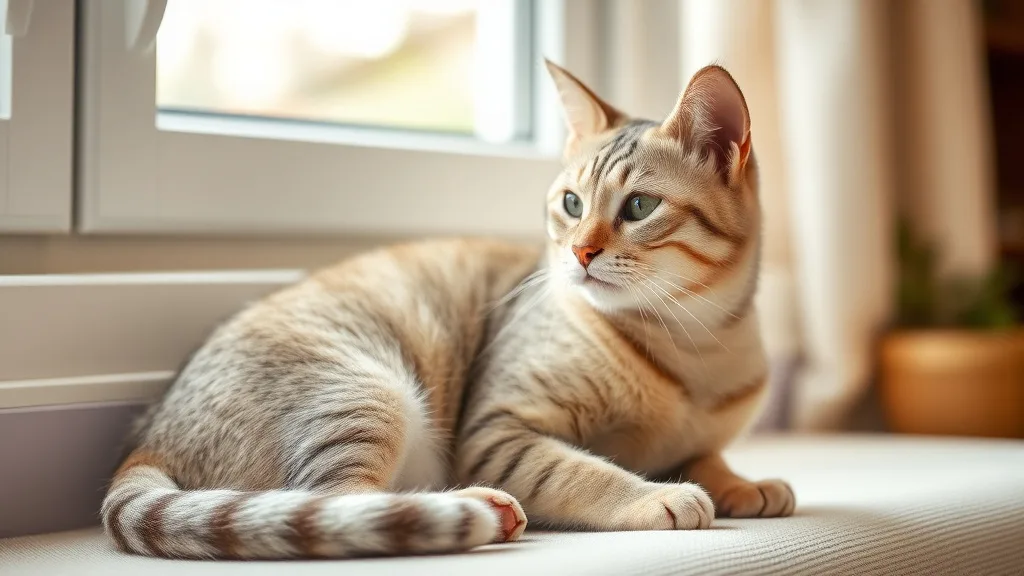
Renal Diet Plans Tailored for Silvertail Cats Aged Ten and Older
As your Silvertail cat enters its senior years, particularly past the age of ten, kidney health often becomes a pressing concern. Chronic kidney disease (CKD) is common in older cats and managing their diet effectively is one of the best proactive steps you can take to support their quality of life. But crafting and sticking to a renal-friendly diet plan tailored specifically for Silvertail cats requires an understanding of their unique nutritional needs, how these affect kidney function, and how to implement this in practical, sustainable ways.
This article will outline what a renal diet plan looks like for senior Silvertail cats, how it benefits their health, when you should start adjusting their diet, and key challenges to watch for.
See also: How Renal Diets Improve Quality of Life in Senior Silvertail Cats
What Is a Renal Diet for Senior Cats?
A renal diet is a specialized nutritional plan designed to support kidney function and slow the progression of kidney disease in cats. Unlike generic cat food, these diets focus on controlling specific nutrients that impact the kidneys over time.
Key Features of a Renal Diet
- Reduced protein: Lower quantities of high-quality protein reduce kidney workload and limit toxic waste buildup.
- Controlled phosphorus: Too much phosphorus worsens kidney damage; renal diets strictly limit intake.
- Enhanced hydration: Moisture-rich foods are emphasized to aid kidney filtration.
- Balanced electrolytes: Sodium and potassium levels are managed to maintain optimal body chemistry.
- Added omega-3 fatty acids: These help reduce inflammation and support overall health.
How Does a Renal Diet Help Silvertail Cats?
The kidneys filter blood to remove toxins and maintain fluid balance. With age, and particularly in cats predisposed to kidney disease like Silvertails, these organs lose efficiency. A renal diet supports aging kidneys by:
- Decreasing metabolic waste production: Lower protein slows nitrogenous waste generation, reducing kidney burden.
- Reducing mineral overload: Less phosphorus decreases hardening of kidney tissues.
- Maintaining hydration: Cats naturally have low thirst; feeding wet or moisture-rich foods helps prevent dehydration, which strains kidneys.
- Providing anti-inflammatory ingredients: Omega-3 fatty acids from fish oils can protect kidney tissues from progressive damage.
Silvertail cats often have unique metabolism and temperament traits that can affect appetite and nutrient absorption, making tailored approaches essential.
When to Start a Renal Diet
Renal diets are most effective when introduced:
- Preventively: Starting around 10 years old for Silvertail cats showing early kidney function decline through bloodwork, even without symptoms.
- At diagnosis: On confirmation of chronic kidney disease stages 1 to 3.
- During disease progression: Early intervention improves quality of life and may delay progression.
Note that renal diets are not suitable for healthy cats under 10, as they require sufficient protein intake for muscle maintenance and immune health.
How to Implement a Renal Diet Plan for Your Silvertail Cat
Implementing a renal diet involves several practical steps:
1. Consult Your Veterinarian
Get a comprehensive kidney panel and evaluation to determine your cat’s renal status and individual dietary needs.
2. Choose Appropriate Food Types
- Wet food: Prioritize canned or pouches with high moisture content.
- Prescription formulas: These are specifically designed for renal support.
- Home-prepared meals: Only with veterinary guidance to ensure nutrient balance.
3. Adjust Protein and Phosphorus Intake Gradually
Reducing these nutrients abruptly can cause stress or rejection; introduce changes slowly with treats or mixed meals.
4. Monitor Hydration
Increase water availability and consider water fountains or flavored broths to encourage drinking.
5. Track Weight, Appetite, and Waste
Keep consistent records to detect any adverse responses or disease progression.
6. Manage Palatability and Stress
Older Silvertail cats can be picky or sensitive; choose foods they willingly eat and offer meals in calm, familiar settings.
Common Pitfalls in Renal Diet Plans for Silvertail Cats
- Ignoring hydration: Offering only dry food undermines renal health goals.
- Over-restriction: Excessively low protein can cause muscle loss and weakness.
- Sudden diet changes: Cats resist abrupt new foods, leading to feeding refusal or digestive upset.
- Neglecting individual preference: Silvertails’ unique tastes or health issues need personalized adjustments.
- Not vet-supervised: Self-managing without expert input risks nutritional imbalances.
Comparison Table of Common Renal Diet Options for Silvertail Cats
| Feature | Commercial Prescription Diet | Home-Prepared Recipe | Over-the-Counter Renal Formulas |
|---|---|---|---|
| Protein level | Moderately reduced, high quality | Customizable; risk of imbalance if unguided | Reduced but variable quality |
| Phosphorus control | Strictly controlled | Depends on ingredients; requires vet support | Moderate control |
| Moisture content | High (wet foods preferred) | High, can include broths, controlled fluids | Variable; usually wet or dry options |
| Ease of use | Ready to serve, palatable | Time-consuming, requires precise prep | Convenient but palatability varies |
| Cost | Higher price point | Can be more expensive | Typically moderate cost |
| Veterinary approval | Recommended and often required | Must be developed with vet nutritionist | Generally no approval required |
| Tailored to Silvertail cats | Moderate (formulated broadly for cats) | High if customized | Low; generic formula |
Supporting Tips Beyond Diet for Senior Silvertail Cats with Kidney Concerns
- Regular low-stress vet visits: Stress can worsen kidney function. Use calming strategies such as pheromone sprays or carrier covers.
- Accessible litter boxes: Older cats may struggle with mobility; ensure litter boxes are easy to enter and keep clean to reduce stress.
- Joint mobility aids: Supplements and gentle exercise help maintain mobility and comfort.
- Hydration encouragement: Offer multiple water sources around the home.
- End-of-life comfort: When kidney disease advances, focus on providing warmth, minimizing pain, and maintaining dignity.
Frequently Asked Questions
Q: Can I feed my senior Silvertail cat a homemade renal diet without consulting a vet?
A: It’s not advisable. Kidney disease requires precise nutrient management best designed alongside a veterinary nutritionist to avoid harmful imbalances.
Q: When should I switch from regular senior food to a renal diet?
A: Ideally, after diagnosis of early kidney compromise or if your vet detects indicators like elevated creatinine or phosphorus in blood tests.
Q: How do I encourage my Silvertail cat to eat renal food if they are picky?
A: Mix renal food with their favorite treats, warm or moisten the food, and feed in a quiet, familiar place. Gradual introduction helps adjustment.
Tailoring a renal diet for your senior Silvertail cat can feel complex, but with veterinary guidance and careful management, you can support your cat’s kidney health and enhance their comfort and longevity through their senior years.