
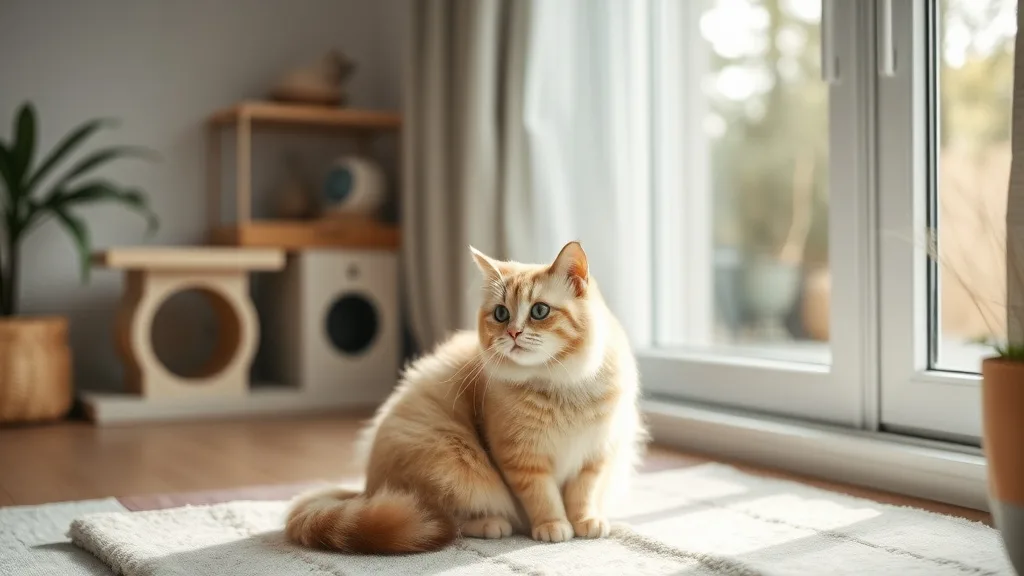
Older cats often face decreasing mental stimulation due to reduced mobility, sensory changes, or health challenges. This decline can lead to boredom, anxiety, and even depression, impacting their overall well-being. Setting up a thoughtfully designed senior cat play area can help keep their minds engaged, reduce stress, and improve quality of life.
What is a Senior Cat Play Area?
A senior cat play area is a dedicated space tailored to the unique needs of older cats, designed to encourage gentle physical activity, mental engagement, and relaxation. Unlike play spaces for younger cats, this area prioritizes accessibility, comfort, and safety while still offering enrichment through scent, textures, sounds, and interactive elements.
See also: Enrichment Activities to Stimulate Senior Cats’ Minds Daily
How Does a Senior Cat Play Area Boost Mental Health?
Cats are naturally curious and active animals, even in older age. Mental stimulation helps preserve cognitive functions, reduce signs of stress, and prevent behavioral issues like withdrawal or excessive vocalization. A senior cat play area provides:
- Cognitive stimulation: Puzzles, treat dispensers, and interactive toys encourage problem-solving and focus.
- Sensory enrichment: Varied textures, calming sounds, and natural light promote engagement without overwhelming senses.
- Physical movement: Low-impact climbing, soft surfaces, and gentle play support joint mobility and overall fitness.
- Emotional comfort: Safe, quiet resting spots reduce anxiety and support relaxation.
When to Set Up a Senior Cat Play Area
You should consider setting up or updating your cat’s play area as they approach 10 years old—or earlier if you notice signs of boredom, lethargy, or cognitive decline such as memory lapses, disorientation, or altered sleep patterns. It’s especially important if your senior cat has mobility limitations or health issues like arthritis or kidney concerns that affect energy levels.
Creating this space is not a one-time project but rather an evolving setup that adapts as your cat’s needs change over time.
How to Set Up a Senior Cat Play Area: Step-by-Step Guide
1. Choose the Right Location
- Select a quiet, low-traffic area of your home that receives natural light but avoids direct midday sun.
- Ensure it’s close enough for your cat to visit regularly but isolated from noisy appliances or household chaos.
- Consider temperature and ventilation; avoid drafty spots or overly warm locations.
2. Prioritize Easy Accessibility
- Use low platforms or ramps instead of tall cat trees, as jumping can strain senior joints.
- Place litter boxes, food, and water within easy reach of the play area.
- Keep the floor space clear of obstacles to reduce fall risk.
3. Incorporate Variety in Toys and Enrichment
- Choose soft, lightweight toys that encourage gentle play (feather wands, soft balls).
- Add puzzle feeders or treat-dispensing toys to stimulate problem-solving.
- Provide tactile objects with different textures like soft faux fur, sisal, and gentle crinkle materials.
4. Create Comfortable Resting Zones
- Include heated pads or self-warming beds ideal for arthritic joints.
- Use elevated cozy spots with cushions and blankets for warm vantage points.
- Incorporate hiding spots or covered cat caves to create a secure retreat.
5. Add Sensory Enrichment
- Use cat-safe plants (like catnip or cat grass) to stimulate smell.
- Play soft calming music or nature sounds at a low volume.
- Place windows nearby if possible for watching birds and outdoor activity safely.
6. Monitor and Adjust Regularly
- Observe your cat’s interaction with the space and modify elements that seem too strenuous or uninteresting.
- Rotate toys and enrichment objects every 1-2 weeks to prevent boredom.
- Check for any signs of distress like avoidance, overstimulation, or joint discomfort.
Trade-offs and Considerations: Play Area Elements for Senior Cats
| Feature | Benefits | Considerations | Best For |
|---|---|---|---|
| Low ramps and steps | Easy mobility, reduces joint strain | Takes up more floor space | Cats with arthritis or limited jumping ability |
| Puzzle feeders | Mental stimulation, slows eating | May frustrate cats with dental issues | Cats with good cognition and no eating problems |
| Soft interactive toys | Encourages gentle play without injury risk | May not engage highly energetic cats | Cats preferring calm activity |
| Heated beds/pads | Comfort for achy joints and arthritis | Ensure safe temperature; avoid overheating | Cats with chronic pain or arthritis |
| Window perch | Visual stimulation, natural light exposure | May encourage outdoor fixation or frustration | Indoor cats, visual hunters |
| Covered hiding spots | Provides security and stress reduction | Requires sufficient space in the play area | Anxious or shy cats |
Common Pitfalls to Avoid
- Overstimulating the space with too many toys or loud sounds, which can stress sensitive older cats.
- Ignoring your cat’s preferences; each cat has unique likes and dislikes, so tailor the environment accordingly.
- Setting unsafe or difficult access features, such as tall trees or narrow ledges, that increase injury risks.
- Failing to maintain hygiene in the play and rest areas, which can exacerbate kidney disease or other health problems common in senior cats.
- Neglecting regular vet checks; even the best play area cannot replace the need for tailored veterinary care.
Conclusion
Creating a senior cat play area is a practical approach to preserving your older cat’s mental health and emotional well-being. By focusing on accessibility, gentle stimulation, comfort, and ongoing adaptation, you help your feline companion enjoy their golden years with curiosity, calm, and confidence.
Frequently Asked Questions
Q: How often should I change or rotate toys in the play area?
A: Every one to two weeks is ideal to keep stimulation fresh without overwhelming your cat.
Q: Can indoor cats benefit from window perches even if they can’t go outside?
A: Yes, window perches offer excellent visual enrichment and mental stimulation for indoor cats.
Q: Is it better to use puzzle feeders or regular bowls for senior cats with dental issues?
A: If your cat has dental pain, regular shallow bowls are safer; puzzle feeders can be too frustrating or difficult to use.
Our picks worth a closer look
- Royal Canin Aging 12+ Dry Cat Food 7 lbCheck on Amazon → — see current price and specs.
- PetSafe Drinkwell Platinum Pet Water Fountain 168ozCheck on Amazon → — see current price and specs.
- Pawvotum Glucosamine for Cats, Pet vitamins and supplements with Chondroitin, MSCheck on Amazon → — see current price and specs.
- Feliway Classic Starter Kit Plug-In Diffuser and Refill 48mlCheck on Amazon → — see current price and specs.
- K&H Pet Products Thermo-Kitty Heated Cat Bed Small MochaCheck on Amazon → — see current price and specs.