
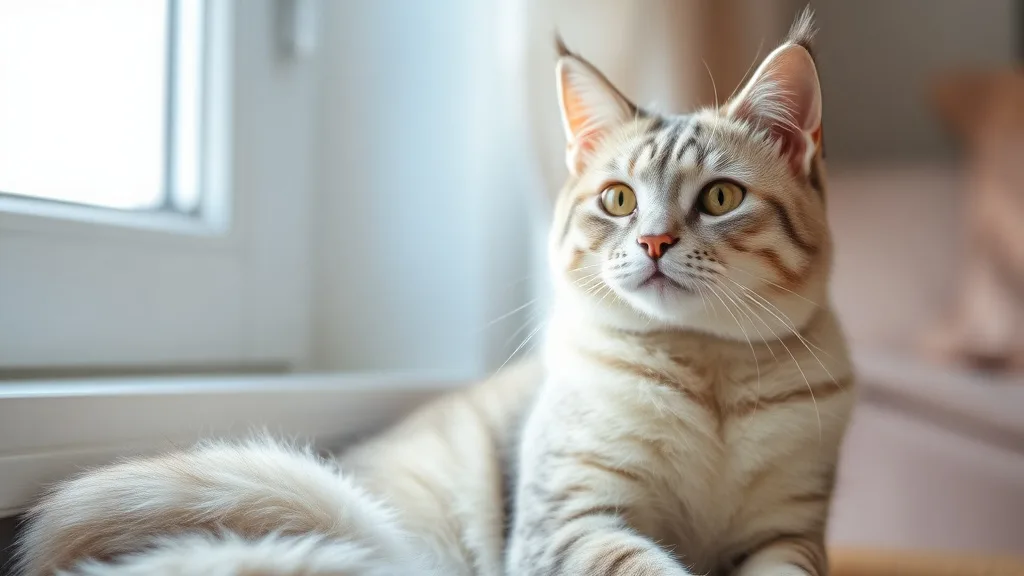
Signs of Thyroid Imbalance in Silvertail Cats Aged Ten and Older
If you own a Silvertail cat that is ten years or older, you may have noticed some changes in their behavior, weight, or energy levels and are wondering if thyroid imbalance could be the cause. Thyroid disorders, particularly hyperthyroidism, are common in senior cats and can significantly impact your pet’s health and comfort if left untreated. Understanding the signs, how the thyroid works, and how to support your older cat can help you catch issues early and navigate treatment options with confidence.
See also: Thyroid Disorders in Silvertail Cats: Diagnosis and Treatment Strategies
What Is Thyroid Imbalance in Senior Cats?
The thyroid gland is a small, butterfly-shaped organ located in a cat’s neck that produces hormones essential for regulating metabolism, energy usage, and overall body function. In senior cats, the most common type of thyroid imbalance is hyperthyroidism, where the gland produces too much thyroid hormone. Less commonly, cats may suffer from hypothyroidism, which is an underproduction of hormones, but this is relatively rare in felines.
In Silvertail cats aged ten and older, thyroid imbalance often presents subtle symptoms that can be mistaken for normal aging or other health conditions, which is why awareness and veterinary evaluation are crucial.
How Thyroid Imbalance Works in Older Cats
Hyperthyroidism
Hyperthyroidism accelerates metabolism drastically. The excess hormones cause your cat’s body to burn calories too quickly, leading to weight loss, increased appetite, and other systemic effects such as increased heart rate and blood pressure. The cat may become restless or anxious and sometimes exhibit gastrointestinal problems.
Hypothyroidism
Though rare, hypothyroidism causes a slowdown in metabolic functions, leading to weight gain, lethargy, and skin or coat changes. Its symptoms can overlap with other common senior cat ailments, making diagnosis through clinical signs alone difficult.
Common Signs of Thyroid Imbalance in Silvertail Cats Over Ten
Cat owners should watch for these signs, though they may vary slightly by individual:
| Symptom | Hyperthyroidism | Hypothyroidism |
|---|---|---|
| Weight Change | Sudden weight loss despite good appetite | Weight gain despite normal or reduced appetite |
| Appetite | Increased | Decreased or normal |
| Activity Level | Increased, hyperactive, restlessness | Decreased, lethargic |
| Coat Condition | Often unkempt, oily coat | Dry, dull fur, sometimes hair loss |
| Drinking and Urination | Increased thirst and urination | Normal or decreased |
| Vomiting or Diarrhea | Occasionally present | Rarely |
| Heart Rate | Elevated (tachycardia) | Normal or slow |
| Behavioral Changes | Anxiety, irritability, vocalizing more | Depression, withdrawal |
A Silvertail cat showing a combination of these signs should be taken to a veterinarian for thyroid testing.
When to Consult Your Veterinarian
If your senior Silvertail cat shows any combination of the above symptoms, prompt veterinary consultation is recommended. This is especially critical if your cat is experiencing unexplained weight changes or behavior shifts.
Veterinarians will typically perform blood tests to measure levels of thyroid hormone (specifically thyroxine, T4) along with routine blood chemistry to assess kidney and liver function. These organ functions are important to understand prior to any thyroid treatment since thyroid disease can mask or exacerbate other underlying illnesses.
Supporting Renal-Friendly Nutrition with Thyroid Imbalance
Hyperthyroid cats often have compromised kidney function, so maintaining a renal-friendly diet is important to protect against further damage.
- Optimal Protein Levels: Older cats need high-quality protein but in renal-friendly amounts to ease kidney load.
- Phosphorus Restriction: Excess phosphorus can exacerbate kidney disease; look for diets formulated for renal support.
- Hydration: Encourage water consumption with wet or moistened food to assist kidney filtration.
- Weight Monitoring: Regularly monitor weight and body condition to prevent either excessive loss or gain.
If your cat is diagnosed with thyroid disease, ask your vet about tailored renal-friendly nutrition that accommodates both conditions.
Managing Vet Visits to Minimize Stress
Older cats can find vet visits stressful, potentially worsening symptoms or complicating diagnostics:
- Pre-Visit Preparations: Bring familiar bedding or clothing with your scent.
- Carrier Training: Leave the carrier out ahead of time inviting your cat to explore it rather than forcing them in.
- Calm Environment: Request quiet waiting areas or early morning appointments to avoid crowded, noisy times.
- Medication Timing: If your cat is on medication, follow vet instructions carefully regarding when to administer before or after visits.
Low-stress veterinary care can improve your cat’s cooperation, yield more accurate results, and reduce anxiety.
Joint Mobility and Thyroid Imbalance
Hyperthyroidism may indirectly affect your cat’s joint mobility through increased activity and muscle wasting. Older Silvertails often have pre-existing arthritis or joint stiffness:
- Regular, Gentle Exercise: Short play sessions can maintain muscle tone without overexerting.
- Supportive Bedding: Orthopedic beds reduce joint pressure.
- Pain Management: Discuss options if your cat shows limping or stiffness—this will help maintain overall wellbeing.
Supporting joint health makes a significant difference in your cat’s quality of life.
Making Litter Box Accessibility Easy
Senior cats, especially those with thyroid disease experiencing muscle weakness or arthritis, can struggle with litter box access:
- Low-Entry Boxes: Litter boxes with lower sides reduce the effort required to enter and exit.
- Multiple Locations: Have boxes on multiple floors or key rest areas to shorten travel distance.
- Regular Cleaning: Encourage your cat’s use by maintaining clean and odor-free boxes.
Improving litter box accessibility reduces stress and avoids urinary or elimination issues that can complicate thyroid health.
The Gentle Truth About End-of-Life Comfort Care
For your Silvertail cat over ten with thyroid imbalance, managing symptoms may extend their healthy years, but it’s important to understand when comfort care becomes the priority:
- Symptom Monitoring: Watch for chronic vomiting, severe weight loss, or refusal to eat.
- Pain Management: Keep communication open with your vet about pain or discomfort.
- Quality of Life Assessments: Regularly evaluate activity, appetite, and interactions. It’s okay to consider euthanasia when quality of life declines significantly.
End-of-life care is about compassion, ensuring your cat experiences peace and dignity during their final phase.
Summary Comparison Table: Thyroid Imbalance Management Considerations for Older Silvertail Cats
| Factor | Hyperthyroidism Management | Hypothyroidism Management | Supportive Care Tips |
|---|---|---|---|
| Diagnosis | Blood thyroid hormone tests, physical exam | Blood tests, may require specialized assays | Regular veterinary monitoring |
| Diet | Renal-friendly, high-quality protein, hydration focus | Balanced nutrition, weight management | Incremental changes, monitor appetite |
| Medication | Anti-thyroid drugs, radioactive iodine, surgery | Synthetic thyroid hormones | Administer consistently, watch side effects |
| Activity | Moderate management to avoid fatigue or injury | Increase activity gradually | Joint supplements, gentle play |
| Vet Visits | Low-stress handling, frequent check-ups | Regular intervals but less frequent than hyperthyroidism | Prepare carrier and environment |
| End-of-Life Focus | Symptom control, hydration, pain management | Hormone balance, comfort measures | Compassionate decision-making |
Frequently Asked Questions
Q: Can thyroid imbalance cause sudden behavioral changes in my elderly Silvertail cat?
A: Yes, especially in hyperthyroidism, cats may become restless, anxious, or vocal more than usual.
Q: How often should thyroid levels be checked in a cat over ten?
A: Typically, once a year during senior wellness exams, more frequently if symptoms or treatment adjustments occur.
Q: Can diet alone manage thyroid issues in older cats?
A: Diet supports overall health but is not a substitute for medical treatment in thyroid imbalance cases.
Understanding thyroid imbalance in your older Silvertail cat can improve their comfort and longevity. Early recognition, combined with tailored vet care, renal-friendly nutrition, and considerate home environment modifications, creates the best path for your pet’s wellbeing as they age.
Our picks worth a closer look
- Неmp Oil for Dogs Cats (2 Packs), Organic Pet Calming Drops Anxiеty Relief & StrCheck on Amazon → — see current price and specs.
- Pawvotum Glucosamine for Cats, Pet vitamins and supplements with Chondroitin, MSCheck on Amazon → — see current price and specs.
- RiRywony Health 2 Pack Hemp Oil for Dogs & Cats- Helps Pets with Аnxiety, Pаin, Check on Amazon → — see current price and specs.
- 2-Pack Dog Ramp Stairs for Pets ups to 170lbs, Durable Anti-Slip Carpet Surface,Check on Amazon → — see current price and specs.
- 2Pack Hemp Oil for Dogs & Cats, Anxiety & Stress Relief Drops with Omega 3-6-9,HCheck on Amazon → — see current price and specs.