
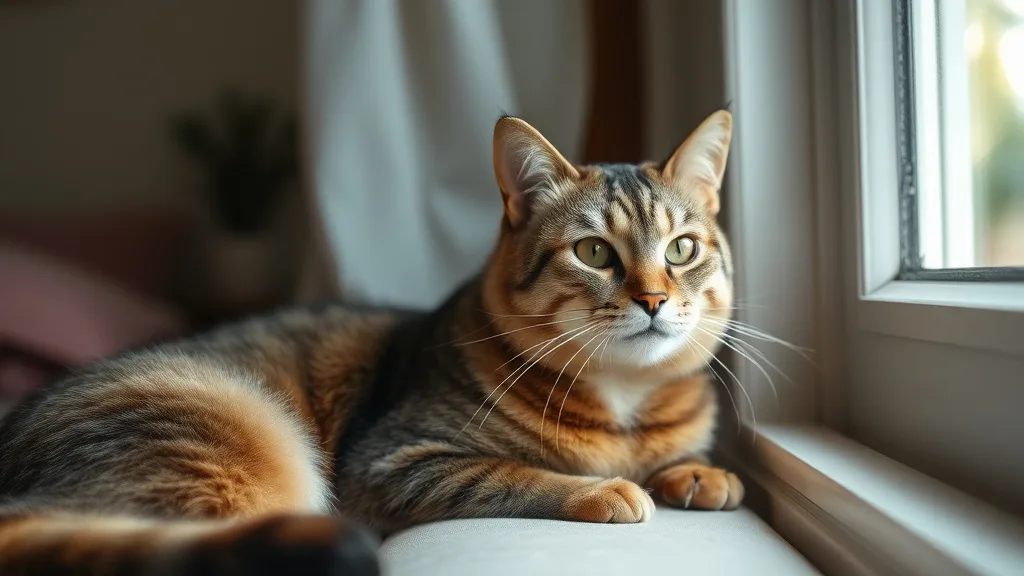
Your senior cat has reached a delicate stage in life where health issues can escalate quickly, and determining when to seek immediate veterinary attention is crucial. Unlike younger cats who tend to bounce back quickly, older cats can show subtle signs of serious illness that require prompt care. Recognizing these urgent signs early can make all the difference in preserving your cat’s quality of life and potentially saving their life.
What It Is: Emergency Health Issues in Senior Cats
Senior cats, typically considered 10 years and older, are prone to a range of health problems including kidney disease, diabetes, arthritis, dental disease, hyperthyroidism, and even cancer. While routine veterinary visits help manage these chronic conditions, there are times when your cat’s condition can deteriorate rapidly, requiring immediate intervention.
Emergency health issues can manifest as sudden behavioral changes, physical symptoms, or signs of pain and distress. Because older cats often mask discomfort, owners must be vigilant to subtle clues indicating a need for urgent veterinary care.
See also: 20. Dehydration in older cats: signs you are probably missing
How It Works: Detecting Signs of Emergency in Senior Cats
Senior cats’ bodies respond differently to illness and injury. For example, their reduced mobility may cause reluctance to move or jump, which could be mistaken for normal aging rather than pain or injury. Similarly, decreased appetite or dehydration can be symptoms of kidney failure but might be missed if you don’t regularly monitor their eating and drinking habits.
Veterinarians rely on both clinical assessment and owners’ observations to determine when urgent care is needed. The key is to recognize the signs early and understand that quick response can prevent complications and suffering.
When to Use It: Recognizing Signs Your Senior Cat Needs Immediate Veterinary Attention
Below is a detailed outline of critical symptoms and situations where you must contact your vet or an emergency clinic right away.
1. Sudden Difficulty Breathing
Any rapid, labored, or open-mouth breathing is a medical emergency. Older cats may develop heart disease, fluid build-up in the lungs, or respiratory infections that require immediate treatment.
2. Persistent Vomiting or Diarrhea
One or two episodes can be common, but if vomiting or diarrhea continues for more than 12 hours—especially if accompanied by lethargy, weakness, or signs of dehydration—you need emergency care to prevent complications like electrolyte imbalance.
3. Severe Lethargy or Collapse
If your cat is unresponsive, extremely weak, or collapses, these may indicate serious issues such as heart problems, anemia, severe dehydration, or even poisoning.
4. Uncontrolled Bleeding or Visible Injuries
Any deep wounds, excessive bleeding, or inability to move certain limbs requires prompt evaluation, even if the cat appears otherwise calm.
5. Visible Signs of Pain or Distress
Older cats might vocalize loudly or hide to avoid pain. Watch for limping, reluctance to move or jump, stiff posture, or sudden aggression—these can point to painful conditions like advanced arthritis or injury needing urgent treatment.
6. Seizures or Unusual Neurological Signs
Sudden shaking, loss of coordination, disorientation, or seizures are red flags for neurological emergencies like stroke or toxin ingestion.
7. Changes in Urination or Defecation
Straining, inability to urinate, or blood in urine can indicate urinary obstruction—a life-threatening condition common in senior male cats.
8. Signs of Severe Dehydration
Dry gums, sunken eyes, and loss of skin elasticity are signs your cat is dehydrated and needs immediate fluid therapy.
9. Collapse or Severe Weakness
Sudden inability to stand or move may be caused by critical conditions such as internal bleeding, cardiac arrest, or severe anemia.
Comparison Table: Signs of Emergency vs Signs to Monitor
| Symptom | Emergency (Immediate Vet Visit) | Monitor & Schedule Vet Visit |
|---|---|---|
| Breathing difficulty | Open-mouth breathing, gasping, rapid/irregular | Mild occasional coughing or sneezing |
| Vomiting | Persistent >12 hours, with lethargy | Occasional vomiting with normal activity |
| Appetite | Refusal to eat >24 hours, weight loss or dehydration | Reduced appetite but still eating small amounts |
| Mobility | Collapse, inability to stand or walk | Mild stiffness or slower movement |
| Urination | Straining, inability to urinate, blood in urine | Less frequent urination but no discomfort |
| Behavior | Severe lethargy, seizures, confusion | Mild hiding or irritability |
| Hydration | Dry gums, sunken eyes, skin tenting | Slightly decreased water intake |
| Bleeding | Uncontrolled bleeding or deep wounds | Minor scrapes or superficial cuts |
Common Pitfalls in Assessing Senior Cat Emergencies
- Misinterpreting Symptoms: Older cats often hide pain. Don’t dismiss subtle signs like decreased grooming or less interaction as just aging.
- Delaying Care: Waiting to “see if it gets better” can lead to worsening outcomes, especially with conditions like urinary blockages or respiratory distress.
- Ignoring Changes in Routine: Senior cats thrive on routine. Sudden changes in eating, litter box habits, or behavior are important cues.
- Failing to Prepare for Emergencies: Knowing your nearest emergency vet and having transportation options ready is crucial.
Practical Tips to Support Your Senior Cat’s Health and Emergency Preparedness
- Keep a Log: Track food and water intake, litter box use, activity, and behavior changes weekly.
- Regular Vet Visits: Twice-yearly check-ups can detect early signs of illness.
- Environmental Accessibility: Ensure litter boxes, food, and water are easy for your cat to reach.
- Low Stress Vet Visits: Use calming pheromone sprays, carriers with blankets, and gentle handling.
- Watch for Renal-Friendly Nutrition: Senior cats are prone to kidney disease, so a vet-recommended diet low in phosphorus and protein adjustments supports longevity.
- Joint Mobility Aids: Soft bedding and gentle massage can ease arthritis pain.
- Emergency Contacts: Keep emergency vet numbers and transport carriers accessible.
Frequently Asked Questions
Q: My senior cat is hiding more than usual but still eating and drinking. Should I worry?
A: Increased hiding can be a sign of stress or discomfort. Monitor for changes in appetite, litter box use, or mobility and book a vet visit if symptoms persist.
Q: How quickly should I respond to my cat not eating?
A: If your cat refuses food for more than 24 hours, seek veterinary advice to rule out underlying illness or dehydration.
Q: What signs indicate my senior cat might be in pain?
A: Look for limping, stiffness, reluctance to jump or climb, vocalizing more than usual, grooming less, or hiding more frequently.
Recognizing when your senior cat needs immediate veterinary attention is critical for their health and comfort. Staying vigilant for these emergency signs and acting promptly can ensure your beloved companion enjoys their golden years safely and with dignity.
Our picks worth a closer look
- Royal Canin Aging 12+ Dry Cat Food 7 lbCheck on Amazon → — see current price and specs.
- PetSafe Drinkwell Platinum Pet Water Fountain 168ozCheck on Amazon → — see current price and specs.
- Pawvotum Glucosamine for Cats, Pet vitamins and supplements with Chondroitin, MSCheck on Amazon → — see current price and specs.
- Feliway Classic Starter Kit Plug-In Diffuser and Refill 48mlCheck on Amazon → — see current price and specs.
- K&H Pet Products Thermo-Kitty Heated Cat Bed Small MochaCheck on Amazon → — see current price and specs.