
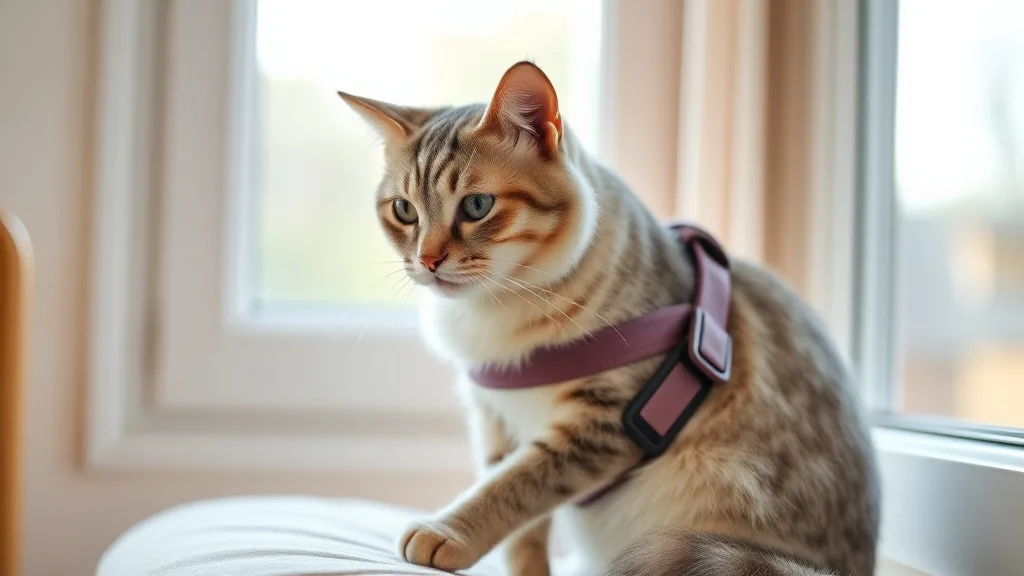
Many cat owners face a difficult reality when their feline companions reach their senior years: reduced mobility that compromises their quality of life. When your cat is over ten years old, joint stiffness, muscle loss, arthritis, and other age-related issues can limit their ability to jump, climb, and move freely. This can lead to frustration, stress, and even behavioral changes as they struggle with everyday activities. Silvertail Cat Mobility Aids are designed to address these challenges, providing practical support to keep your senior cat active and comfortable in their golden years.
What Silvertail Cat Mobility Aids Are
Silvertail Cat Mobility Aids encompass a range of tools and accessories specifically designed to assist older cats in moving more easily and comfortably. These aids do not cure mobility problems but help manage them by reducing strain on joints, enhancing access to favorite spots, and minimizing discomfort during daily activities.
Typical mobility aids for senior cats include:
- Support harnesses and slings: To assist cats with hind leg weakness or partial paralysis.
- Ramp systems: To replace or supplement jumping up and down from furniture or litter boxes.
- Soft orthopedic beds and pads: Which provide joint cushioning to reduce pain during rest.
- Joint supplements: Although not physical aids, they complement mobility aids by supporting joint health.
- Non-slip mats: To prevent slipping on smooth surfaces and reduce injury risk.
These aids form part of a holistic approach to managing mobility in senior cats alongside proper nutrition and veterinary care.
See also: Optimizing Mobility Comfort for Silvertail Cats Over a Decade Old
How Silvertail Cat Mobility Aids Work
The aids function by addressing specific obstacles that senior cats face:
- Reducing Joint Strain: Ramps and steps minimize the need to leap, which can be painful for arthritic joints.
- Providing Physical Support: Harnesses and slings help owners assist cats with muscle weakness or temporary immobility without causing stress or injury.
- Improving Balance and Stability: Non-slip mats and rugs give cats secure footing, which is often compromised by age.
- Encouraging Movement: By making it easier to reach favorite resting spots, mobility aids encourage cats to stay active, which in turn maintains muscle tone and joint flexibility.
- Enhancing Rest Quality: Orthopedic beds reduce pressure on tender joints during sleep, improving overall comfort.
Together, these aids help preserve independence and comfort while preventing further mobility deterioration.
When to Use Silvertail Cat Mobility Aids
Deciding when to introduce mobility aids depends on your cat’s specific needs and health status. Signs that your senior cat may benefit from mobility aids include:
- Difficulty jumping onto furniture or into the litter box.
- Visible hesitation or reluctance to move or climb.
- Signs of pain or discomfort when moving.
- Limping or instability, especially in hind legs.
- Changes in behavior, such as increased hiding or aggression linked to discomfort.
- Loss of muscle mass, which weakens movement.
Consulting your veterinarian is vital. They can assess your cat’s overall health, rule out treatable conditions, and recommend appropriate mobility aids tailored to your cat’s condition.
Common Pitfalls When Using Cat Mobility Aids
While mobility aids can significantly improve your cat’s quality of life, there are common pitfalls to avoid:
- Choosing the Wrong Size or Type: Improperly fitted harnesses or too steep ramps can cause stress or be ineffective.
- Introducing Aids Abruptly: Sudden changes can confuse or scare cats; gradual introduction with positive reinforcement is key.
- Forgetting Holistic Care: Mobility aids alone won’t solve joint issues; diet, supplements, and vet visits remain essential.
- Ignoring Stress Signals: Some cats dislike harnesses or ramps. Forcing them can increase anxiety rather than reduce discomfort.
- Poor Placement: Aids placed inconveniently (e.g., ramps too far from litter boxes) reduce their usability and frustrate cats.
- Neglecting Maintenance: Worn or unstable ramps and harnesses pose safety risks.
Regularly review your cat’s response to the aids and consult your vet for adjustments.
Comparison Table: Choosing the Right Mobility Aid
| Mobility Aid Type | Ideal Use Scenario | Key Benefits | Limitations | Accessibility for Cats |
|---|---|---|---|---|
| Support Harness/Sling | Hind leg weakness, muscle loss | Assists with walking and support | Needs owner assistance; sizing critical | May need training; some cats resist |
| Ramps/Steps | Difficulty jumping on/off furniture or litter box | Reduces joint strain, promotes independence | Takes space; initial hesitance by cat | Good with familiarization |
| Orthopedic Beds | Joint pain, arthritis | Cushions joints during rest | Does not assist movement directly | No training needed |
| Non-slip Mats | Slippery floors, balance issues | Prevents slips and falls | Limited effect if severe mobility loss | Usually well accepted |
| Joint Supplements | General joint health maintenance | Supports cartilage and inflammation control | Effects take time, variable effectiveness | Oral administration required |
Practical Tips for Introducing Mobility Aids to Your Senior Cat
- Observe First: Identify exactly where your cat struggles: jumping, walking, or resting.
- Start Small: Introduce one aid at a time and monitor your cat’s adaptation.
- Create Positive Associations: Use treats and gentle praise when your cat uses the aid.
- Ensure Proper Fit: For harnesses and slings, measure your cat carefully to ensure comfort.
- Position Aids Strategically: Place ramps or mats where your cat naturally navigates most.
- Be Patient: Allow several days to weeks for your cat to get used to the new aid.
- Regular Vet Checks: Discuss any changes with your veterinarian to adjust mobility aids or treatments accordingly.
Supporting Joint Health Alongside Mobility Aids
Mobility aids are most effective when combined with good renal-friendly nutrition and joint health management since many older cats face kidney issues and arthritis simultaneously.
- Renal-Friendly Diet: Nutritious food low in phosphorus and protein can protect aging kidneys without compromising general health.
- Joint Supplements: Omega-3 fatty acids, glucosamine, and chondroitin support cartilage repair and reduce inflammation.
- Weight Management: Keeping your cat lean reduces stress on joints.
- Low-Stress Vet Visits: Minimize stress by choosing calm travel carriers and quiet waiting areas to encourage regular check-ups.
Creating a Senior-Friendly Home Environment
Besides mobility aids, consider:
- Lowering Litter Box Edges: Easy entry and exit help cats with arthritis or muscle weakness.
- Multiple Litter Areas: Avoid forcing cats to travel long distances.
- Accessible Water and Food: Elevated dishes or brought closer to resting areas encourage hydration and nutrition.
- Quiet Resting Spots: Reduce stress with cozy, easily accessible beds.
Frequently Asked Questions
Q: How do I know if my senior cat needs mobility aids?
A: Signs include reluctance or difficulty jumping, limping, visible joint stiffness, and behavioral changes like hiding more often. A vet consultation helps determine necessity.
Q: Are mobility aids stressful for cats to wear or use?
A: Some cats initially resist aids like harnesses or ramps, but with gradual introduction and positive reinforcement, many adjust well. Always proceed patiently and observe comfort.
Q: Can mobility aids replace veterinary treatment for joint problems?
A: No. Mobility aids support physical function but should be used alongside veterinary care, proper diet, and possibly supplements to address underlying joint health issues.
Harnessing Silvertail Cat Mobility Aids is about enhancing dignity and comfort for your aged cat. With thoughtful selection and steady introduction, these tools can transform the daily experience of your beloved senior feline, making movement less daunting and life more enjoyable.
Our picks worth a closer look
- Pawvotum Glucosamine for Cats, Pet vitamins and supplements with Chondroitin, MSCheck on Amazon → — see current price and specs.
- Stand Assist Aid for Elderly Chair Couch Standing Aids and Supports Hip Knee SurCheck on Amazon → — see current price and specs.
- Royal Canin Aging 12+ Dry Cat Food 7 lbCheck on Amazon → — see current price and specs.
- Feliway Classic Starter Kit Plug-In Diffuser and Refill 48mlCheck on Amazon → — see current price and specs.
- PetSafe Drinkwell Platinum Pet Water Fountain 168ozCheck on Amazon → — see current price and specs.