
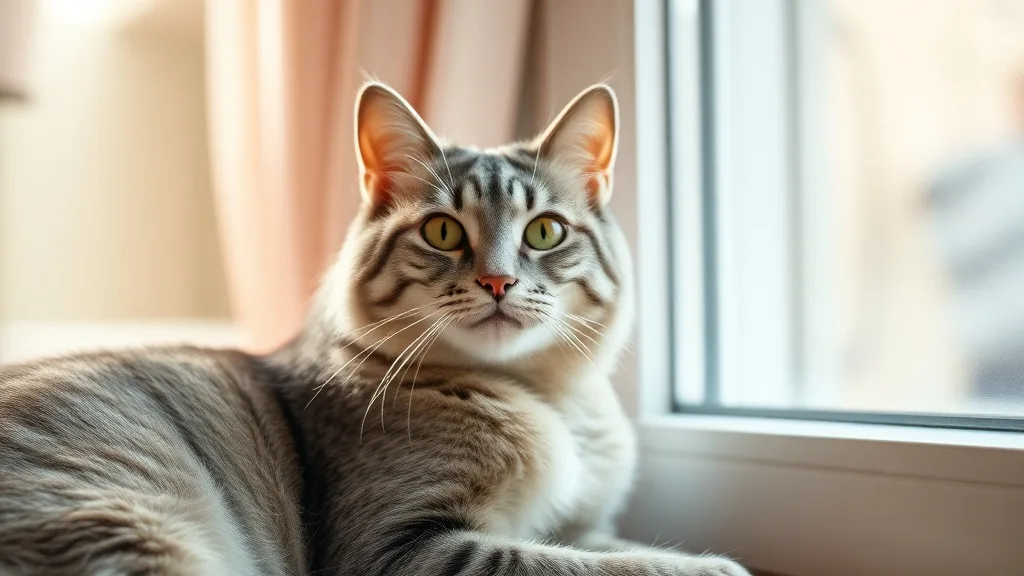
Cats over ten years old face a higher risk of kidney (renal) disease, which can progressively undermine their quality of life and longevity. As a loving owner of a senior feline, you need to understand how to provide renal-friendly nutrition that supports kidney function, manages symptoms, and slows disease progression. This article breaks down exactly what renal health means for senior cats, how nutrition plays a critical role, and practical steps for choosing and maintaining an appropriate diet.
What Is Renal Health in Senior Cats?
Renal health refers to the condition and function of the kidneys. In cats, kidneys filter waste and toxins from the bloodstream and balance fluids and electrolytes. As cats age, kidney function can decline, leading to chronic kidney disease (CKD), which is prevalent in nearly 30% of cats over 10 years old.
CKD is progressive and irreversible but manageable. Early intervention through diet can reduce the workload on the kidneys, improve hydration, and control waste build-up. Symptoms of renal issues include increased thirst and urination, decreased appetite, weight loss, and lethargy.
See also: Adjusting Renal Diets for Silvertail Cats with Progressive Kidney Issues
How Nutrition Supports Renal Health
The kidneys are sensitive to protein breakdown products, phosphorus, and electrolyte imbalances. Renal-friendly nutrition works by balancing these key elements to reduce kidney stress:
- Lower Protein Levels, High-Quality Protein: Reducing total protein decreases nitrogenous waste, but the protein should be highly digestible to provide necessary amino acids without excess burden.
- Restricted Phosphorus: High phosphorus levels accelerate kidney damage. Diets formulated with restricted phosphorus help slow disease progression.
- Increased Moisture Content: Cats naturally have low thirst drive, risking dehydration. Wet or canned foods increase fluid intake, supporting kidney filtration.
- Controlled Sodium: Excess sodium can elevate blood pressure and worsen kidney damage. Moderating sodium intake is recommended.
- Balanced Electrolytes & Vitamins: Key electrolytes like potassium may need adjustment. Antioxidants and supplements like omega-3 fatty acids can reduce inflammation and oxidative stress.
When to Adjust Your Cat’s Diet for Renal Support
Dietary changes should ideally begin when a vet diagnoses early CKD or when routine blood and urine tests show early kidney function decline (for example, elevated creatinine or SDMA levels). Some subtle behaviors like mild appetite change or increased water intake also warrant a nutritional review.
Even if your cat isn’t diagnosed with CKD, if they are 10+ years old, providing a balanced diet focused on renal efficiency can be preventive.
Laboratory Parameters Indicating Need for Renal Diet:
| Parameter | Normal Range | Concerning Sign for Kidney Issues |
|---|---|---|
| Creatinine | 0.6-2.4 mg/dL | > 2.0 mg/dL (persistent elevation) |
| Blood Urea Nitrogen (BUN) | 14-36 mg/dL | > 36 mg/dL |
| Symmetric Dimethylarginine (SDMA) | <14 μg/dL | > 14 μg/dL (early indicator of kidney decline) |
Common Components of Renal Diets for Senior Cats
Renal diets aim to compensate for failing kidneys without compromising nutrition:
| Component | Purpose | Typical Level in Renal Diets |
|---|---|---|
| Protein | Minimized but high-quality to reduce waste | 28–32% dry matter basis (moderate to low) |
| Phosphorus | Restricted to slow kidney damage | Below 0.4% on dry matter basis |
| Moisture | Increased to improve hydration | Often 75-80% in wet diets |
| Sodium | Controlled to manage blood pressure | Moderate, balanced level |
| Omega-3 Fatty Acids (EPA/DHA) | Anti-inflammatory benefits | Present via fish oils, about 0.05-0.1% of diet |
Practical Steps to Providing Renal-Friendly Nutrition
1. Consult Your Veterinarian First
Before changing your cat’s diet, obtain vet confirmation of renal health status. Bloodwork will guide dietary adjustments.
2. Gradually Transition Diets
Senior cats can be finicky. Slowly mix renal-supportive food with their current diet over 7-10 days to avoid digestive upset.
3. Prioritize Wet Food Options
Canned foods inherently increase water intake. If feeding dry food, supplement with water or broth to keep hydration high.
4. Monitor Feeding Amounts and Frequency
Smaller, more frequent meals help maintain appetite in older cats and reduce strain on digestive and excretory systems.
5. Avoid Over-supplementation
Only add vitamins or supplements if vet recommended. Excess supplements can worsen kidney damage or cause imbalances.
6. Maintain Routine Vet Checks
Regular blood and urine tests every 3-6 months allow for diet customization as kidney function changes.
Practical Considerations and Common Pitfalls
- Palatability Issues: Many renal diets can seem bland or lack aroma, which can reduce intake in fussy seniors. Experiment with different textures and flavors recommended by your vet.
- Weight Loss Concerns: Cats with CKD often lose weight. If weight drops rapidly, consult your vet to adjust nutrition or add appetite stimulants.
- Hydration Hesitancy: Don’t rely solely on food moisture. Provide fresh water easily accessible in multiple locations.
- Ignoring Early Signs: Early CKD may have subtle signs. Don’t wait for lethargy or weight loss to address renal health.
- Unsupervised Diet Changes: Sudden diet alterations without vet guidance can cause more harm, including gastrointestinal upset or nutrient imbalance.
Comparison Table: Wet Food vs Dry Food for Renal Health in Senior Cats
| Feature | Wet Food | Dry Food |
|---|---|---|
| Moisture Content | High (75-80%), promotes hydration | Low (6-10%), requires additional water |
| Palatability | Generally better for seniors, more aromatic | Often less appealing to older cats |
| Convenient Storage | Requires refrigeration after opening | Easier to store and serve |
| Cost | Typically more expensive per serving | Usually more economical |
| Dental Health | Less abrasive; may contribute to tartar buildup | Offers some tooth cleaning but limited in seniors |
| Protein & Phosphorus Control | Typically easier to control and customize | Available, but less commonly formulated for renal diets |
Summary
Renal-friendly nutrition for cats over ten years old is vital to preserve kidney function, manage disease, and maintain quality of life. Emphasize high-quality, moderate protein, restricted phosphorus, and hydration-rich foods. Collaborate closely with your veterinarian to tailor diet choices as your cat ages. Early, thoughtful nutritional care can markedly slow kidney decline and support your beloved senior cat through their golden years.
Frequently Asked Questions
Q: Can I feed my senior cat regular adult food if they have early kidney disease?
A: While mild kidney decline may not require a special renal diet immediately, feeding a diet lower in protein and phosphorus is usually beneficial. Consult your vet to determine the best timing to transition.
Q: How important is wet food for cats with kidney issues?
A: Very important, since increased moisture intake reduces kidney workload and promotes hydration, which is critical for cats with impaired renal function.
Q: My cat refuses the prescription renal diet. What are my options?
A: Try different textures or brands approved for renal health, add warm water or broth for aroma, or discuss appetite stimulants and taste enhancers with your vet to encourage eating.
Our picks worth a closer look
- Pawvotum Glucosamine for Cats, Pet vitamins and supplements with Chondroitin, MSCheck on Amazon → — see current price and specs.
- Royal Canin Aging 12+ Dry Cat Food 7 lbCheck on Amazon → — see current price and specs.
- PetSafe Drinkwell Platinum Pet Water Fountain 168ozCheck on Amazon → — see current price and specs.
- Неmp Oil for Dogs Cats (2 Packs), Organic Pet Calming Drops Anxiеty Relief & StrCheck on Amazon → — see current price and specs.
- RiRywony Health 2 Pack Hemp Oil for Dogs & Cats- Helps Pets with Аnxiety, Pаin, Check on Amazon → — see current price and specs.