
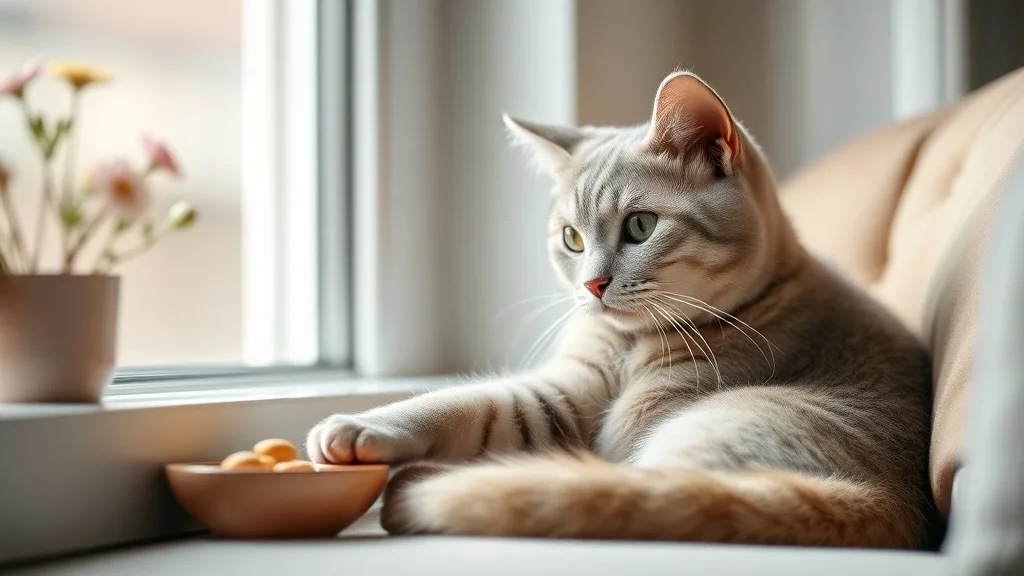
Supporting Silvertail Cats with Thyroid Issues Through Proper Nutrition
Many owners of senior cats—commonly called silvertails—face the challenge of managing thyroid issues, which can significantly impact their companions’ overall health and quality of life. Hyperthyroidism in older cats affects metabolism, appetite, and energy levels, demanding careful adjustments to diet alongside veterinary treatment. Understanding how to support your silvertail through proper nutrition can make a meaningful difference in managing thyroid disease and maintaining their comfort and vitality.
What Is Feline Hyperthyroidism?
Feline hyperthyroidism is a common endocrine disorder in cats over 10 years old. It occurs when the thyroid gland produces excessive thyroid hormones, accelerating metabolism abnormally. The key consequences for your silvertail include increased appetite, weight loss despite eating more, restlessness, increased drinking and urination, and sometimes vomiting or diarrhea.
The thyroid hormone excess forces the body into overdrive, taxing the cardiovascular system and other organs. Left unmanaged, it can contribute to serious complications such as heart disease and kidney dysfunction. Hence, early diagnosis and supportive care — including nutrition — are essential.
See also: Signs of Thyroid Imbalance in Silvertail Cats Aged Ten and Older
How Nutrition Affects Thyroid Health in Cats
Thyroid hormone production is influenced by the availability of iodine, an essential trace mineral. Too much or too little iodine can worsen thyroid imbalance:
- Excess iodine may fuel thyroid hormone production in hyperthyroidism.
- Iodine restriction can help reduce hormone synthesis but needs medical supervision.
Additionally, cats with hyperthyroidism often develop muscle wasting and lose body condition, so nutrition must support lean mass maintenance while controlling metabolic rate. Kidney health should also be considered because thyroid disease can strain renal function.
Key Nutritional Strategies for Silvertail Cats with Thyroid Issues
Balancing these factors demands careful dietary planning. Below are important objectives and practical recommendations.
1. Manage Iodine Intake
Most commercial cat foods have sufficient iodine levels suitable for healthy cats but may contain amounts too high for hyperthyroid cats. Some veterinary diets are specially formulated to limit iodine. Your veterinarian can help determine if an iodine-restricted diet is right.
- Avoid homemade diets or supplements that could inadvertently increase iodine.
- Do not attempt to restrict iodine without vet guidance.
2. Provide High-Quality Protein
Thyroid disease may increase protein catabolism, leading to muscle loss. Feeding highly digestible, high-quality protein sources helps preserve muscle mass. Look for diets emphasizing animal protein rather than plant proteins which have lower biological value for cats.
3. Ensure Adequate Caloric Intake
Due to the hypermetabolic state, your silvertail may burn calories quickly, necessitating more calories than before illness. If your cat is losing weight or appears ravenous yet still underweight, increase calorie density by:
- Offering calorie-rich wet food.
- Feeding multiple small meals per day.
- Using veterinarian-approved supplements if recommended.
4. Prioritize Renal-Friendly Ingredients
Many older cats with thyroid disease also have or develop chronic kidney disease (CKD), which is worsened by high phosphorus and protein stress.
A nutritional approach balancing moderate protein (to prevent muscle loss) with controlled phosphorus and fluids supports kidney health. Wet foods typically help with hydration.
5. Support Digestive Health
Thyroid imbalance can cause gastrointestinal upset. Feeding easily digestible ingredients and adding prebiotic fibers may improve digestion and stool quality.
6. Encourage Hydration
Increased water intake lessens kidney burden and helps flush toxins. Provide fresh water at all times and consider wet foods over dry to boost fluid intake.
Sample Comparison of Cat Food Options for Hyperthyroid Silvertails
| Feature | Veterinary Iodine-Restricted Diet | Renal-Thyroid Support Diet | Regular Senior Cat Food |
|---|---|---|---|
| Iodine Level | Strictly limited | Moderately controlled | Standard levels, may be high |
| Protein Quality | High-quality, carefully balanced | Moderate with renal considerations | Varies, often moderate |
| Phosphorus Content | Controlled | Low to moderate | Variable, often higher than recommended |
| Fat & Calories | Moderate to support weight maintenance | Higher energy density | Designed for maintenance or weight loss |
| Moisture (Wet/Dry) | Mostly wet for hydration | Mostly wet | Mixed options |
| Suitability | Best for managing thyroid hormone | Balances thyroid & kidney needs | General senior cat support |
Consult with your vet to select a diet best matching your silvertail’s specific health profile.
When to Use Dietary Adjustments and How to Implement Them
Dietary support is part of a comprehensive treatment that typically includes medication, radioactive iodine therapy, or surgery. Use nutritional strategies to:
- Stabilize thyroid hormone levels when prescribed medical treatment.
- Support organ systems under stress.
- Maintain or improve body condition and muscle mass.
- Aid in digestive comfort and hydration.
Implementing dietary changes:
- Veterinary assessment: Confirm diagnosis and discuss dietary goals.
- Select appropriate diet: Based on iodine, kidney health, and caloric needs.
- Transition gradually: Over 7-10 days to avoid digestive upset.
- Monitor appetite, weight, hydration: Adjust feeding amounts accordingly.
- Regular vet checkups: Monitor thyroid and kidney function for any tweaks.
Common Pitfalls to Avoid
- Unsupervised iodine restriction: Can cause hypothyroidism if misapplied.
- Feeding inconsistent diets: Switching frequently can unsettle digestion and nutrient intake.
- Ignoring hydration needs: Leading to worsened kidney stress.
- Overfeeding or underfeeding calories: Both can harm body condition.
- Relying solely on food changes: Nutrition supports but does not replace medical therapy.
Frequently Asked Questions
Q: Can a homemade diet help with my silvertail’s thyroid disease?
A: Homemade diets risk unpredictable iodine and nutrient levels. Unless formulated by a veterinary nutritionist, they are not recommended for managing thyroid issues.
Q: Does my cat need to avoid all dry food if hyperthyroid?
A: Wet food is preferred for hydration and often lower carbohydrate content, but some dry foods can be appropriate if they meet iodine and nutrient targets. Consult your vet.
Q: How often should I have my silvertail’s thyroid levels checked while on a special diet?
A: At least every 3-6 months or as the vet advises to ensure treatment and nutrition remain appropriate. Early detection of changes is crucial.
Supporting your senior cat’s thyroid health through careful nutrition helps maintain their quality and longevity. Close veterinary collaboration, patience in transitioning diets, and attention to your silvertail’s changing needs forge the best path forward.
Our picks worth a closer look
- 2Pack Hemp Oil for Dogs & Cats, Anxiety & Stress Relief Drops with Omega 3-6-9,HCheck on Amazon → — see current price and specs.
- Неmp Oil for Dogs Cats (2 Packs), Organic Pet Calming Drops Anxiеty Relief & StrCheck on Amazon → — see current price and specs.
- Pawvotum Glucosamine for Cats, Pet vitamins and supplements with Chondroitin, MSCheck on Amazon → — see current price and specs.
- Pet Неmр Oil for Dogs and Cats 2 Packs, Organic Oil for Anxiеty Strеss Pαin HoliCheck on Amazon → — see current price and specs.
- RINGCO Pet Heating Pad for Cats & Small Dogs with 12 Adjustable Temperature, WatCheck on Amazon → — see current price and specs.