
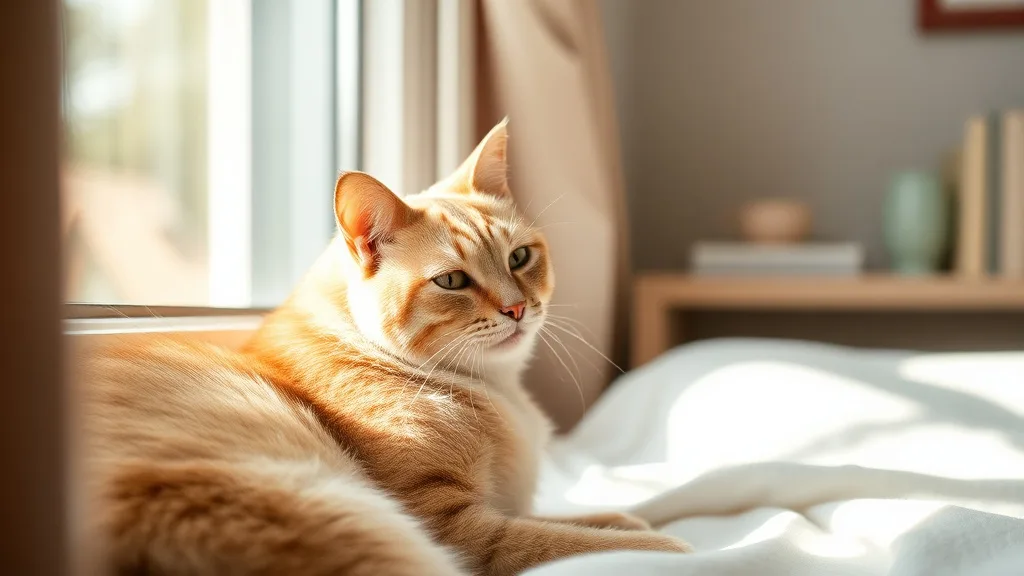
The Importance of Routine Blood Tests for Senior Cats
If your cat has reached their senior years—typically considered 10 years or older—you might notice subtle changes: less energy, slight weight loss, or changes in appetite. These signs often prompt questions about their health and longevity. The problem is that many health issues in older cats develop silently and aren’t obvious until they become advanced. That’s why routine blood tests are crucial for senior cats—they help catch early signs of kidney disease, diabetes, thyroid problems, and other conditions common in aging felines. This article dives into why routine blood tests are essential, how they work, when you should schedule them, and what to watch out for.
See also: 43. Senior cat hyperthyroidism: signs to watch for
What Are Routine Blood Tests for Senior Cats?
Routine blood tests for senior cats involve analyzing a small sample of blood to assess different organ functions and detect abnormalities before symptoms appear. These tests typically include:
- Complete Blood Count (CBC): Evaluates red and white blood cells to detect infection, anemia, or inflammation.
- Serum Biochemistry Panel: Assesses kidney, liver, and pancreas function by measuring substances like creatinine, blood urea nitrogen (BUN), liver enzymes, glucose, and electrolytes.
- Thyroid Function Test: Measures thyroid hormone levels to identify hyperthyroidism, a common condition in elderly cats.
- Urinalysis (often included): Though not a blood test, urinalysis complements blood work to assess kidney function and detect infections.
By routinely monitoring these parameters, your veterinarian can spot early indications of chronic illnesses and intervene sooner, improving your cat’s quality of life and longevity.
How Do Routine Blood Tests Work?
During a routine blood test appointment, your vet or veterinary technician draws a small blood sample from your cat, usually from a vein in the front leg or sometimes the jugular vein in the neck. The sample is then sent to a laboratory where a range of analyses are performed.
Common Blood Test Components and What They Tell You:
| Test Type | What It Measures | What Abnormal Results Might Indicate |
|---|---|---|
| Complete Blood Count | Red and white blood cells, platelets | Infection, anemia, immune system disorders |
| Kidney Values (BUN, Creatinine) | Blood urea nitrogen, creatinine levels | Chronic kidney disease, dehydration |
| Liver Enzymes (ALT, ALP) | Liver enzyme levels | Liver disease, toxic exposure, inflammation |
| Blood Glucose | Blood sugar | Diabetes or hypoglycemia |
| Electrolytes (Sodium, Potassium) | Electrolyte balance | Kidney function, dehydration, cardiac health |
| Thyroid Hormones (T4) | Thyroxine hormone | Hyperthyroidism |
Because senior cats often suffer from conditions like kidney disease and hyperthyroidism, the blood chemistry panel focuses heavily on these functions.
When to Schedule Routine Blood Tests for Your Senior Cat
Senior cats should have routine blood tests at least once a year, but more frequent testing may be necessary depending on their health status. Here’s a general guideline:
- Ages 10–12: Annual blood tests as part of a senior wellness check.
- Ages 13 and older: Blood tests twice yearly or as recommended by your vet.
- If health problems are present: More frequent monitoring may be required to adjust treatment.
Regular blood tests are particularly important if your cat shows symptoms such as frequent drinking or urination, weight loss, vomiting, or changes in behavior and appetite.
Benefits of Routine Blood Testing for Senior Cats
- Early Detection: Many conditions like kidney disease and diabetes progress slowly without obvious symptoms. Routine blood tests catch these problems early before they cause severe damage.
- Personalized Nutrition: Results can guide dietary adjustments, such as switching to renal-friendly food if early kidney dysfunction is detected.
- Targeted Treatment: Blood tests allow vets to tailor medications and treatments more precisely.
- Peace of Mind: Regular testing helps avoid crisis vet visits and improves quality of life.
- Monitoring Progression: For cats already diagnosed with chronic illness, frequent blood panels help track disease progression and treatment effectiveness.
Common Conditions Detected Through Blood Tests in Senior Cats
- Chronic Kidney Disease (CKD): Elevated BUN and creatinine, plus abnormal electrolytes, often indicate kidney issues. CKD can be managed through diet and medication if caught early.
- Hyperthyroidism: Elevated T4 levels suggest overactive thyroid, which speeds metabolism and causes weight loss and restlessness.
- Diabetes Mellitus: High blood glucose is an indicator. Symptoms include excessive thirst and urination.
- Anemia and Infections: CBC abnormalities highlight blood loss or inflammation that might otherwise go unnoticed.
Common Pitfalls and Misconceptions
- Testing Only When Symptoms Appear: Waiting for obvious signs may mean missing early-stage disease, limiting treatment options.
- Interpreting Blood Tests Alone: Blood work should be part of a holistic physical exam and clinical history; no single test definitively confirms or excludes a disease.
- Stress-Related Elevated Values: Stress during vet visits can temporarily alter blood glucose or white blood cell counts, so vets interpret results in context.
- Assuming Normal Tests Mean Perfect Health: Blood tests are pieces of a larger puzzle, and normal blood work doesn’t guarantee absence of all health issues.
- Neglecting Urinalysis: Urine tests complement blood tests and are essential to get a full picture of kidney health.
How Routine Blood Tests Interact With Other Senior Cat Care
Blood tests inform many aspects of senior cat care, including:
- Renal-friendly Nutrition: Identifying early kidney disease means you can switch to a diet low in phosphorus and protein that supports kidney function.
- Vet Visit Stress Reduction: Knowing your cat needs blood tests helps you prepare for low-stress visits by scheduling early appointments, using pheromone sprays, or consulting about sedation if necessary.
- Joint Mobility: While blood tests don’t diagnose arthritis, they help rule out systemic illness before starting mobility supplements or pain management.
- Litter Box Accessibility: Changes in urination from kidney disease or diabetes highlight the need for easily accessible litter boxes to reduce stress and accidents.
- Comfort Care Planning: Detecting chronic illness early allows for discussions on appropriate comfort care and quality of life measures before end-of-life becomes imminent.
Blood Test Comparison Table: Annual vs More Frequent Monitoring in Senior Cats
| Feature | Annual Blood Testing | More Frequent (Semiannual or Quarterly) Testing |
|---|---|---|
| Recommended Age Range | All cats 10+ years | Cats 13+ years or with chronic illness |
| Detection of New Issues | Good for early detection | Better for monitoring disease progression |
| Management Adjustment | Less frequent medication or diet changes | Allows more timely adjustments to treatment |
| Cost Implications | Lower overall yearly cost | Higher cost but better ongoing health tracking |
| Stress on Cat | Fewer vet visits may reduce stress overall | More hospital visits may increase stress unless managed carefully |
| Ideal for Healthy Cats | Yes | May be unnecessary unless advised by a vet |
| Ideal for Chronic Disease Patients | May not be sufficient | Recommended for close monitoring and treatment decisions |
Frequently Asked Questions
Q: How much blood is taken during routine tests?
A: Usually only a few milliliters are needed, which is safe for cats, even seniors.
Q: Will blood tests hurt or stress my senior cat?
A: Blood draws are brief and performed by trained professionals. Minimizing stress with calm handling and familiar carriers helps a lot.
Q: Can routine blood tests detect all health issues?
A: No, they focus on key organ functions and systemic health but may not reveal every illness. Regular vet checkups and diagnostics complement blood work.
Routine blood tests are a cornerstone of comprehensive senior cat care. By catching problems early and tailoring your cat’s care accordingly, you can help ensure their golden years are as comfortable and healthy as possible. Always discuss with your veterinarian about the best testing schedule for your individual cat.
Our picks worth a closer look
- Pawvotum Glucosamine for Cats, Pet vitamins and supplements with Chondroitin, MSCheck on Amazon → — see current price and specs.
- 2Pack Hemp Oil for Dogs & Cats, Anxiety & Stress Relief Drops with Omega 3-6-9,HCheck on Amazon → — see current price and specs.
- Royal Canin Aging 12+ Dry Cat Food 7 lbCheck on Amazon → — see current price and specs.
- Feliway Classic Starter Kit Plug-In Diffuser and Refill 48mlCheck on Amazon → — see current price and specs.
- PetSafe Drinkwell Platinum Pet Water Fountain 168ozCheck on Amazon → — see current price and specs.