
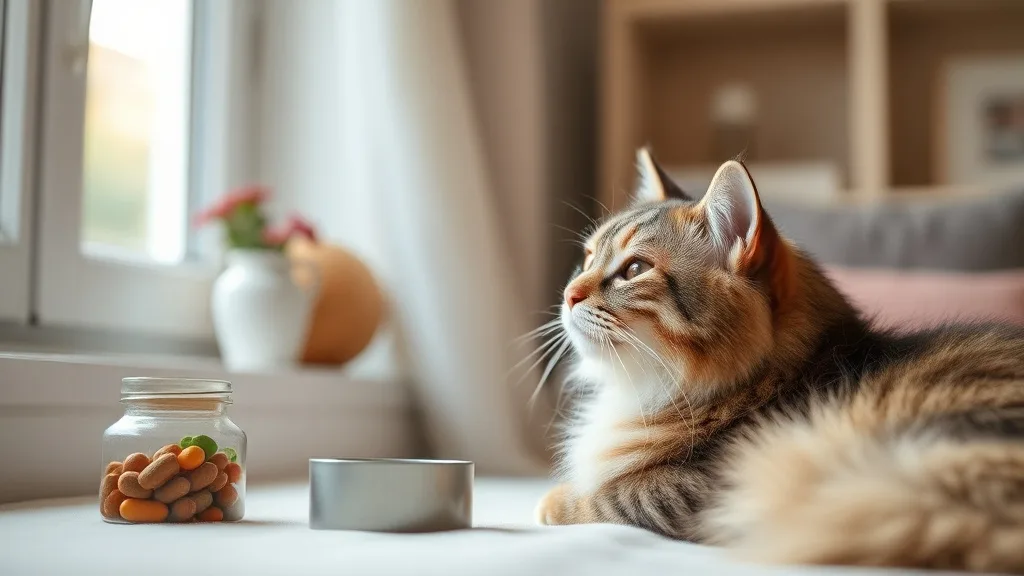
The Role of Supplements in Senior Cat Nutrition Plans
If your senior cat is struggling with decreased appetite, mobility issues, or early signs of kidney trouble, you may be wondering whether supplements could help support their health and quality of life. As cats age, their nutritional needs shift, and supplements can play a key role in addressing common age-related challenges. However, with so many options and conflicting advice, it’s important to understand how supplements fit into a senior cat’s overall nutrition plan, when they are appropriate, and what you need to watch out for.
See also: Caring for Silvertail Cats’ Mobility Needs in Their Senior Years
What Are Supplements in Senior Cat Nutrition?
Supplements for senior cats generally consist of vitamins, minerals, fatty acids, amino acids, and other compounds designed to complement the normal diet. Unlike regular cat food, these are concentrated ingredients intended to provide targeted support for specific health issues common in older cats.
The most common supplements address:
- Joint health: Glucosamine, chondroitin, and omega-3 fatty acids help maintain cartilage and reduce inflammation.
- Kidney function: Omega-3 fatty acids and antioxidants may support renal health as kidney function declines.
- Digestive health: Probiotics can help balance gut flora and improve nutrient absorption.
- Coat and skin health: Essential fatty acids and vitamins boost fur condition and skin hydration.
- Immune system support: Antioxidants such as vitamins E and C help combat oxidative stress linked to aging.
How Supplements Work in Senior Cats
Supplements do not replace a balanced senior cat diet but instead fill in gaps and target specific age-related issues. Here’s how some common supplements contribute:
- Glucosamine and chondroitin: These building blocks promote cartilage repair and are often paired to ease joint discomfort and improve mobility.
- Omega-3 fatty acids: Found in fish oil, these reduce joint inflammation and may also slow progression of kidney disease due to anti-inflammatory properties.
- Probiotics: By enhancing gut microbiota, probiotics improve digestion and nutrient uptake, which can be compromised as cats age.
- Antioxidants: Aging accelerates oxidative stress; antioxidants neutralize harmful free radicals to support cellular health and immune function.
- B vitamins and taurine: These maintain energy metabolism and heart health, critical for senior cats who may experience decreased appetite or muscle loss.
When to Use Supplements in Your Senior Cat’s Nutrition Plan
In many cases, a high-quality, senior-formulated cat food already includes balanced nutrients suited to older cats. Supplements become necessary when:
- Veterinary diagnosis suggests deficiency or disease: Kidney disease, arthritis, or poor coat condition may indicate the need for targeted supplements.
- There are feeding challenges: Cats with low appetite or selective eating may miss key nutrients.
- Quality of life concerns: Reduced mobility, lethargy, or poor digestion are often helped by supplements.
- Diet lacks specific nutrients: Homemade or limited diets may not provide everything a senior cat needs.
- Preventive care: Supplements like omega-3 fatty acids may support long-term joint and kidney health even before symptoms appear.
Before adding any supplement, consult your veterinarian for diagnosis and dosing recommendations. Over-supplementing or using improper forms can cause harm rather than benefit.
Common Pitfalls and Risks
While supplements can be beneficial, pitfalls include:
- Overdosage: Excess vitamins or minerals, such as vitamin D or calcium, can be toxic.
- Interactions: Some supplements may interfere with medications or other nutrients.
- Unregulated products: Not all supplements are tested for safety or efficacy.
- Masking underlying conditions: Supplements can temporarily improve symptoms but should not replace veterinary treatment.
- Inappropriate supplements: Human-grade or dog-specific supplements may have harmful ingredients for cats.
Use veterinary-approved products when possible and always follow dosing guidelines closely.
Comparison Table: Common Senior Cat Supplements — Benefits and Considerations
| Supplement | Primary Benefit | Typical Use Case | Administration Notes | Possible Risks |
|---|---|---|---|---|
| Glucosamine & Chondroitin | Supports joint cartilage, reduces inflammation | Cats with arthritis or mobility issues | Oral powder or capsules often mixed in food | Over-supplementation can cause digestive upset |
| Omega-3 Fatty Acids (EPA/DHA) | Anti-inflammatory, supports kidney & skin health | Cats with kidney disease, dry coat, or joint pain | Liquid or capsules, added to food | Fishy smell; may increase bleeding risk in some cats |
| Probiotics | Supports digestion & nutrient absorption | Cats with digestive upset or poor appetite | Capsules or powders mixed with food | Potential for bacterial imbalance if overused |
| Antioxidants (Vitamins E & C) | Neutralizes free radicals to boost immunity | Senior cats under oxidative stress | Usually included in supplements combined with other nutrients | Excess vitamin C can cause gastrointestinal upset |
| Taurine | Essential amino acid for heart and eye health | Cats on limited or homemade diets | Powder or capsules | Rare toxicity, but avoid overdosing |
Integrating Supplements into a Renal-Friendly, Low-Stress Nutrition Plan
For senior cats and those with early kidney disease, nutrition must be carefully tailored. Supplements that reduce kidney stress while supporting joints and immunity are ideal. A few practical tips:
- Choose supplements with proven safety in renal disease. Omega-3s from fish oil are often safe and beneficial.
- Avoid supplements high in phosphorus or protein unless prescribed. These can worsen kidney burden.
- Maintain hydration. Add wet food or water supplements whenever possible.
- Keep the environment low-stress. Stress impacts appetite and digestion, reducing supplement effectiveness.
- Make supplements palatable and easy to administer. Mix powders into favorite wet foods or use flavored treats.
Summary: Effective Supplementation Supports Senior Cat Health When Used Wisely
Supplements can ease many challenges encountered by senior cats — from stiff joints and declining kidney health to appetite loss and immune support. However, they are not cure-alls and should be introduced only after veterinary consultation. Careful selection, appropriate dosing, and observing your cat’s response ensure supplements are a beneficial part of a comprehensive senior nutrition plan.
Frequently Asked Questions
Q: Can I give my senior cat supplements without consulting a vet?
A: It’s best to get veterinary advice before starting supplements. They can assess your cat’s specific needs and recommend safe, effective options.
Q: Are supplements necessary if my cat eats a high-quality senior diet?
A: Many senior diets contain balanced nutrients, but supplements can be helpful for specific health issues or if your cat’s diet isn’t complete.
Q: How long does it take to see benefits from supplements?
A: Some benefits, like improved coat or digestion, may appear in a few weeks, while joint or kidney improvements often take several months of consistent use.
Our picks worth a closer look
- Pawvotum Glucosamine for Cats, Pet vitamins and supplements with Chondroitin, MSCheck on Amazon → — see current price and specs.
- Royal Canin Aging 12+ Dry Cat Food 7 lbCheck on Amazon → — see current price and specs.
- Feliway Classic Starter Kit Plug-In Diffuser and Refill 48mlCheck on Amazon → — see current price and specs.
- PetSafe Drinkwell Platinum Pet Water Fountain 168ozCheck on Amazon → — see current price and specs.
- K&H Pet Products Thermo-Kitty Heated Cat Bed Small MochaCheck on Amazon → — see current price and specs.