
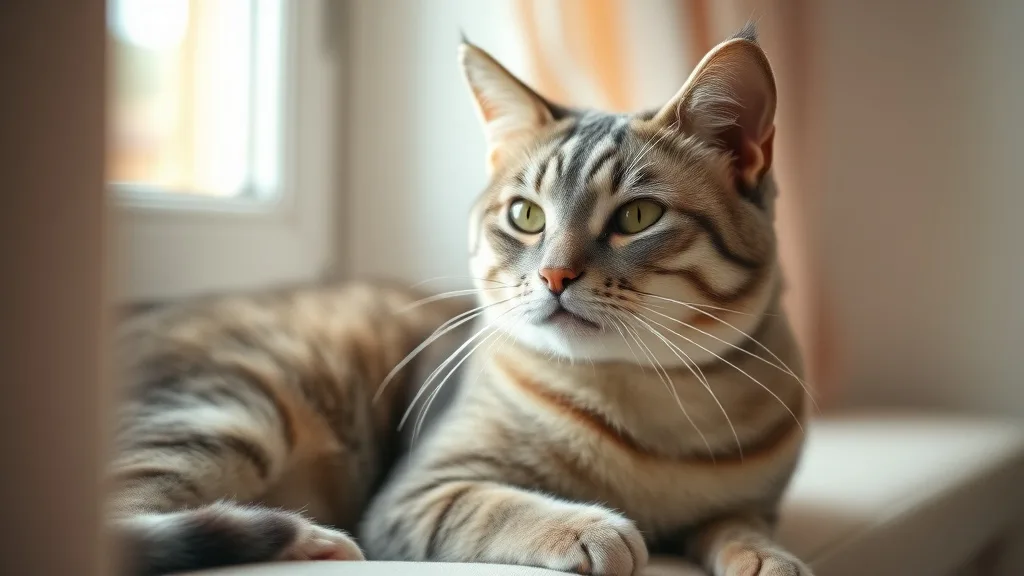
Thyroid disorders are a common health concern in senior cats, especially as they enter their golden years around 10+ years old. If you’ve noticed changes in your Silvertail cat’s appetite, weight, or behavior, thyroid issues might be the underlying cause. Understanding how to diagnose and manage these conditions is crucial to maintaining your cat’s quality of life. This article will help you recognize the signs, understand the diagnostic process, and explore effective treatment strategies tailored to senior Silvertail cats.
What Are Thyroid Disorders in Silvertail Cats?
Thyroid disorders primarily involve the overproduction or underproduction of thyroid hormones by the thyroid gland, located near the neck. The most common problem in older cats is hyperthyroidism, where excess thyroid hormone speeds up metabolism, causing various health issues. Hypothyroidism—too little hormone—is very rare in cats.
Silvertail cats, known for their distinctive silver-gray coat and calm demeanor, can be especially sensitive to the effects of thyroid imbalances, which may affect their energy level, coat condition, and overall well-being.
See also: Signs of Thyroid Imbalance in Silvertail Cats Aged Ten and Older
How Thyroid Disorders Affect Silvertail Cats
Hyperthyroidism leads to increased metabolism and can result in:
- Weight loss despite increased appetite
- Restlessness or hyperactivity
- Increased thirst and urination
- Vomiting or diarrhea
- Rapid heart rate or heart murmurs
- Poor coat quality or hair loss
If untreated, hyperthyroidism can strain the heart and kidneys—common concerns in senior cats—including Silvertails, who may already be facing age-related renal challenges.
Diagnosing Thyroid Disorders: What to Expect
Diagnosis begins with your vet recognizing the clinical signs and confirming hormone levels through blood tests:
Step 1: Clinical Evaluation
Your vet will perform a full physical exam, specially palpating the thyroid glands for enlargement, which is common in hyperthyroid cats.
Step 2: Blood Tests
Most vets use total T4 (thyroxine) testing to confirm hyperthyroidism. T4 is the primary thyroid hormone, and elevated levels typically indicate hyperthyroidism.
Step 3: Additional Tests (if needed)
Because symptoms can overlap with other senior cat health problems (like kidney disease), your vet may request:
- Free T4 by equilibrium dialysis: More sensitive test if total T4 is borderline.
- Complete blood count and chemistry panel: To assess kidney function and overall health.
- Thyroid scan or ultrasound: Rarely needed but useful in complex cases.
Treatment Strategies for Thyroid Disorders in Silvertail Cats
Managing thyroid disorders in senior Silvertail cats requires balancing effective control of hormone levels while minimizing stress and preserving kidney and joint health. The main treatment options include medication, diet, surgery, and radioactive iodine therapy.
1. Medication: Anti-thyroid Drugs
Commonly prescribed are methimazole or similar anti-thyroid medications which reduce hormone production.
- Pros: Non-invasive, easy to administer at home.
- Cons: Requires daily dosing, potential side effects like vomiting or liver issues.
- Regular blood monitoring is essential to adjust dosage.
2. Prescription Diets (Renal-Friendly Thyroid-Control Diets)
Certain prescription diets contain limited iodine to naturally reduce thyroid hormone production.
- Pros: Non-invasive, supports kidney health, may improve coat quality.
- Cons: Cats can be picky eaters; diet must be strictly maintained.
3. Surgery: Thyroidectomy
Surgical removal of the enlarged thyroid gland is effective but less common in seniors due to anesthesia risks.
- Pros: Potential for a one-time cure.
- Cons: Surgical risks, especially in older cats with concurrent health issues.
4. Radioactive Iodine (I-131) Therapy
Considered the gold standard, this treatment destroys hyperactive thyroid tissue with radioactivity.
- Pros: Non-invasive, often curative after a single dose.
- Cons: Requires hospitalization in specialized facilities; limited availability.
Balancing Thyroid Treatment with Silvertail Cat’s Overall Health
Silvertail cats, like many seniors, often have coexisting issues such as renal insufficiency or arthritis. Notably:
- Kidney function: Since hyperthyroidism masks kidney disease by increasing blood flow, treatment may “unmask” kidney problems. Your vet will monitor kidney values during therapy.
- Joint mobility: Changes in activity from thyroid control may affect joint stiffness or pain. Providing joint supplements or low-impact play helps maintain mobility.
- Stress management: Vet visits and treatments can be stressful. Use low-stress handling techniques and acclimate cats to carriers gently.
Comparison Table: Thyroid Treatment Options
| Treatment Type | Benefits | Drawbacks | Best for | Monitoring Needs |
|---|---|---|---|---|
| Anti-thyroid Medication | Non-invasive, at-home dosing | Daily medication, side effects | Cats with mild to moderate disease | Regular T4 and blood work |
| Prescription Diet | Supports kidney health, natural control | Diet compliance crucial | Cats with mild hyperthyroidism & renal risk | Monitor eating habits, periodic T4 |
| Surgery | Potential cure | Anesthesia risk, recovery needed | Healthy seniors or younger cats | Post-op monitoring |
| Radioactive Iodine Therapy | Often curative, single treatment | Hospitalization, cost, limited access | Ideal for severe cases and those fit for treatment | Follow-up thyroid and renal tests |
Common Pitfalls in Managing Silvertail Cat Thyroid Disorders
- Ignoring gradual symptoms: Subtle signs like restlessness or coat changes can be missed until more severe symptoms develop.
- Poor medication compliance: Missing doses reduces effectiveness and complicates dosing adjustments.
- Not considering kidney function: Treating hyperthyroidism without monitoring kidneys can worsen renal disease.
- Stress during vet visits: Stress can alter thyroid and kidney values, leading to misdiagnosis.
- Diet inconsistency: Switching off or mixing prescription diet with regular food undermines thyroid control.
Supporting Your Silvertail Cat Through Treatment
- Keep fresh water easily accessible to manage increased thirst.
- Provide an accessible litter box placed on lower surfaces to accommodate any joint mobility issues.
- Maintain a calm home environment and routine to reduce stress.
- Schedule regular checkups every 3-6 months to adjust treatment and monitor kidney health.
- Observe for signs like vomiting, lethargy, or changes in appetite that may indicate medication side effects or disease progression.
Frequently Asked Questions
Q: How do I know if my Silvertail cat has a thyroid problem?
A: Common signs include weight loss despite increased appetite, hyperactivity, increased thirst and urination, poor coat, and vomiting. A vet blood test confirms diagnosis.
Q: Is thyroid disease curable in senior cats?
A: Treatments like radioactive iodine can be curative, while medications and diet manage the condition long-term. Surgery is an option but carries more risk for seniors.
Q: Can thyroid disease affect my cat’s kidneys?
A: Hyperthyroidism can mask kidney disease, and treatment may reveal or worsen existing kidney problems. Regular kidney monitoring is essential during treatment.
Managing thyroid disorders in Silvertail cats requires thoughtful diagnosis and a tailored approach to treatment, always considering the unique challenges of senior feline health. With appropriate care, your cat can maintain a comfortable and happy life well into their later years.
Our picks worth a closer look
- Неmp Oil for Dogs Cats (2 Packs), Organic Pet Calming Drops Anxiеty Relief & StrCheck on Amazon → — see current price and specs.
- Pawvotum Glucosamine for Cats, Pet vitamins and supplements with Chondroitin, MSCheck on Amazon → — see current price and specs.
- RiRywony Health 2 Pack Hemp Oil for Dogs & Cats- Helps Pets with Аnxiety, Pаin, Check on Amazon → — see current price and specs.
- 2Pack Hemp Oil for Dogs & Cats, Anxiety & Stress Relief Drops with Omega 3-6-9,HCheck on Amazon → — see current price and specs.
- Royal Canin Aging 12+ Dry Cat Food 7 lbCheck on Amazon → — see current price and specs.