
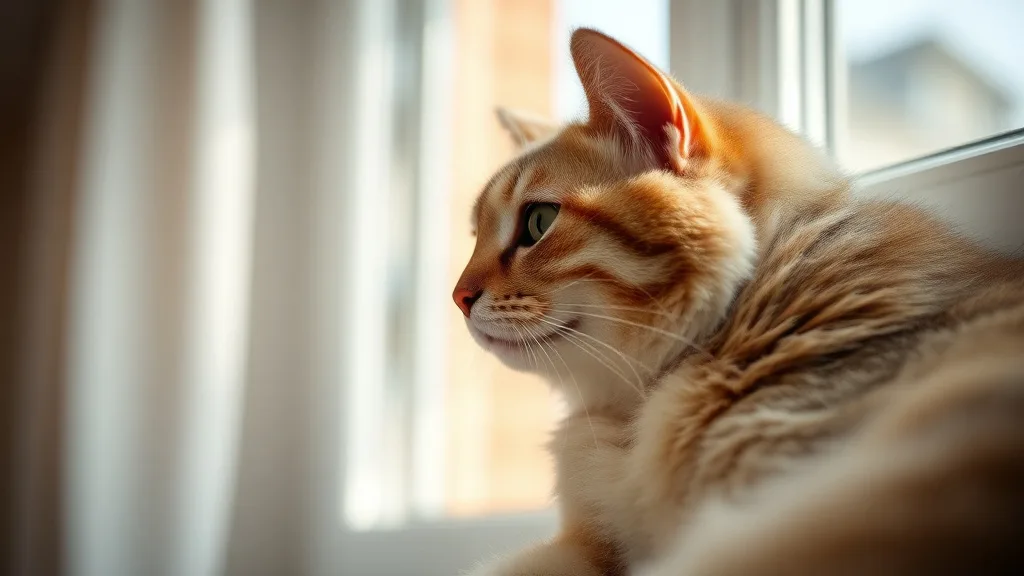
Tips for Encouraging Senior Cats to Stay Active Indoors
As cats age, especially once they hit around 10 years or older, they often become less active. This decrease in movement can contribute to weight gain, joint stiffness, and poorer overall health. For senior cats living indoors, the challenge is to promote gentle but consistent activity without causing stress or injury. If you’ve noticed your elderly cat lounging more frequently and resisting play, this article will help you understand how to encourage them to stay engaged physically and mentally, promoting their well-being and comfort.
See also: Creating Comfortable Living Spaces for Elderly Cats at Home
Why Keeping Senior Cats Active Matters
Senior cats are more susceptible to health issues like arthritis, obesity, diabetes, and kidney disease. Regular, moderate exercise supports joint mobility, helps control weight, and stimulates mental health. Encouraging movement can also aid in maintaining healthy renal function by promoting hydration and normal circulation.
That said, activities should be carefully tailored to a senior cat’s capabilities and preferences to avoid stress or injury.
How to Encourage Senior Cats to Stay Active Indoors: 7 Practical Steps
1. Create a Safe, Comfortable Environment
Older cats are more sensitive to their surroundings. Ensure your home offers accessible spaces with soft resting spots near their play areas and litter boxes. Avoid slippery floors and provide non-slip mats where they like to move around. This reduces stress and injury risk, encouraging natural movement.
2. Use Gentle, Interactive Play
Rather than vigorous games that may overwhelm or tire your cat, try gentle interactive toys like wand teasers with lightweight feathers or small plush toys. Drag these toys slowly at floor level to mimic natural prey movements without requiring sudden jumps or sprints.
3. Provide Accessible Climbing and Perching Options
Cats instinctively enjoy vertical space for observing their environment. Offer low-height cat trees or sturdy shelves spaced close enough so older cats can climb without excessive effort or jumping. This promotes light exercise and mental stimulation.
4. Encourage Short, Frequent Play Sessions
Senior cats often tire quickly, so keep play sessions brief—5 to 10 minutes at a time—but offer them multiple times daily. This avoids overexertion and keeps your cat consistently engaged throughout the day.
5. Use Food-Dispensing Toys to Stimulate Movement
Puzzle feeders or food-dispensing toys made for cats encourage gentle activity by making your cat work for treats or kibble. This combines mental and physical stimulation while supporting controlled feeding to manage weight.
6. Regularly Rotate Toys and Activities
Senior cats can become bored if the same toys are always present. Rotate different types of toys weekly to spark curiosity and excitement. Consider introducing sensory toys like those with catnip, crinkly textures, or soft sounds.
7. Monitor and Adjust Based on Health and Preferences
Keep an eye on your cat’s mobility, pain levels, and interest in play. Some arthritic cats may benefit from toys that encourage minimal movement, while others might still enjoy chasing lightweight balls. Adjust play styles based on your cat’s preferences and vet guidance.
Comparing Activity Options for Senior Cats
| Activity Type | Physical Effort | Mental Engagement | Accessibility | Ideal For | Notes |
|---|---|---|---|---|---|
| Wand Teasers | Low to Moderate | High | Easy | Cats who enjoy short chase-and-pounce | Control speed to avoid stress |
| Food-Dispensing Toys | Low | Moderate to High | Moderate | Weight management and mental stimulation | Helps with renal-friendly portioning |
| Low-Level Climbing | Low | Moderate | Easy | Cats who like vertical space but limited mobility | Choose sturdy options to avoid injury |
| Laser Pointers | Low | High | Easy | Mentally stimulating, but no physical catch | Avoid frustration by ending with a real toy |
| Soft Balls or Plush Toys | Low | Moderate | Easy | Cats who like to bat and carry small toys | Prefers gentle play without jumping |
Additional Considerations for Senior Cats’ Activity
-
Renal-Friendly Nutrition: Senior cats may have special dietary needs, like low phosphate and controlled protein. Use food-stimulating activities that align with these diets to avoid compromising kidney health.
-
Litter Box Accessibility: If your cat is more active, it’s easier to maintain litter box hygiene. However, always ensure litter boxes are nearby and easy to enter, especially for cats with joint pain.
-
Low-Stress Vet Visits: Monitor any changes in mobility or behavior with routine vet visits. Low-stress handling techniques can help identify emerging health concerns that impact activity.
-
Joint Mobility Support: Supplements or medications prescribed by your vet can enhance joint comfort, making your cat more willing to engage in activity.
The Gentle Truth About End-of-Life Comfort Care
While encouraging activity is important, it’s equally vital to recognize when your senior cat may need less physical stimulation and more comfort-focused care. If arthritis or other illnesses cause persistent pain or fatigue, prioritize cozy resting areas and gentle tactile interaction over structured play. Offering affection, warmth, and sheltered safe spaces becomes the most meaningful “activity” in this phase.
Striking the right balance respects your cat’s dignity, easing discomfort while preventing loneliness or boredom.
Summary
Encouraging a senior cat to stay active indoors improves their physical and mental health, enhances mobility, and supports renal-friendly care. Tailoring activities to your cat’s capabilities—for example, using interactive wand toys and food puzzles, maintaining accessibility to favorite perches, and providing multiple short play sessions—can encourage regular gentle exercise without stress or injury. Always adjust based on your cat’s health, preferences, and vet advice, remembering that comfort and dignity take precedence in senior years.
Frequently Asked Questions
Q: How much daily exercise does a senior cat need?
A: Short, multiple sessions totaling 15-30 minutes per day are usually sufficient, tailored to your cat’s tolerance and health.
Q: Can playtime help cats with joint pain?
A: Yes, gentle, controlled play encourages joint movement and circulation but avoid high-impact or excessive jumping.
Q: What signs show my senior cat is overstressed by activity?
A: Look for rapid breathing, hiding, aggression, or reluctance to engage. Reduce intensity or duration and consult your vet if needed.
Our picks worth a closer look
- Pawvotum Glucosamine for Cats, Pet vitamins and supplements with Chondroitin, MSCheck on Amazon → — see current price and specs.
- 2Pack Hemp Oil for Dogs & Cats, Anxiety & Stress Relief Drops with Omega 3-6-9,HCheck on Amazon → — see current price and specs.
- Royal Canin Aging 12+ Dry Cat Food 7 lbCheck on Amazon → — see current price and specs.
- Feliway Classic Starter Kit Plug-In Diffuser and Refill 48mlCheck on Amazon → — see current price and specs.
- PetSafe Drinkwell Platinum Pet Water Fountain 168ozCheck on Amazon → — see current price and specs.