
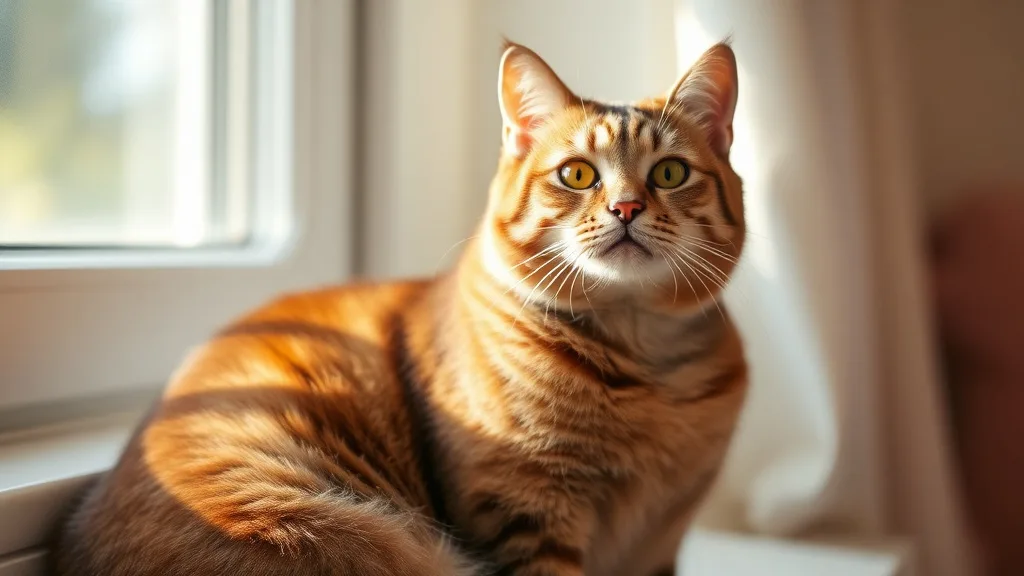
Elderly cats—those aged 10 years and older—often experience increased anxiety and stress during veterinary visits. This can be especially problematic given their heightened health needs, including monitoring for kidney issues, arthritis, and other age-related conditions. If your senior cat becomes tense or fearful at the vet, it complicates both their care and your peace of mind. This article addresses practical, evidence-based tips to reduce stress in elderly cats during veterinary visits, making appointments as calm and smooth as possible for everyone involved.
Why Senior Cats Get Stressed at the Vet
Elderly cats face unique stress triggers:
- Sensory Sensitivity: Aging cats often have heightened hearing and smell sensitivities. Strange clinic noises and unfamiliar scents can be overwhelming.
- Physical Discomfort: Arthritic joints or dental pain make handling at the vet physically uncomfortable.
- Change and Routine Disruption: Older cats thrive on routine. A vet visit breaks their usual patterns and environment.
- Past Negative Experiences: Repeated stressful or painful procedures reinforce fear responses.
Understanding these causes is the first step to reducing anxiety and improving the visit experience.
See also: How to Manage Chronic Conditions in Cats Over Ten Years
How to Reduce Stress in Elderly Cats During Veterinary Visits
Here are key strategies that cat owners can implement, broken into clear steps.
1. Prep the Cat Carrier as a Safe Space
Most stress starts before you even leave home. The carrying method matters immensely.
- Leave the cat carrier out at home well before the trip so it feels familiar.
- Line the carrier with a soft blanket that smells like home or the cat itself.
- Use pheromone sprays specifically designed for cats to create a calming environment inside the carrier.
- Consider feeding your cat or giving treats inside the carrier to build positive associations.
2. Choose the Right Carrier Type
The carrier type affects accessibility and comfort, especially for senior cats with mobility challenges.
| Carrier Type | Pros | Cons | Best For |
|---|---|---|---|
| Top-Loading Carrier | Easier to load/unload stiff or arthritic cats | Generally bulkier; less cozy | Cats with joint pain or stiffness; easier access |
| Front-Loading Carrier | More compact; traditional design | Cats may resist climbing inside | Agile, younger cats or cats comfortable with carrier |
| Soft-Sided Carrier | Lightweight and often more comfortable | Less secure for stressed/aggressive cats | Quiet trips and calm cats |
3. Maintain a Calm, Quiet Environment in the Carrier and Car
- Keep the carrier covered with a towel or blanket during transport to block visual stimuli.
- Drive smoothly avoiding sudden stops or loud music.
- Speak in soothing tones if your cat responds to your voice.
4. Time Vet Visits Strategically
Senior cats may do better when vet visits are less crowded, quieter, and shorter.
- Request early-morning or late-afternoon appointments to avoid busy waiting rooms.
- Consider mobile veterinary services or clinics with separate cat-only waiting areas.
- Schedule the visit when your cat is usually calm or sleepy.
5. Practice Low-Stress Handling Techniques with Veterinary Staff
Ask your vet about their experience with senior cat handling methods:
- Minimal restraint to avoid unnecessary discomfort.
- Using tactile distractions or treats during exams.
- Allowing the cat to remain on a soft padded surface throughout the examination.
Veterinary offices adopting low-stress handling tend to have calmer cats and more accurate health assessments.
6. Bring Comfort Items Along
Familiar items can soothe your cat during the visit:
- A favorite blanket or towel.
- A recently worn item with your scent.
- Previously used calming pheromone sprays.
Some cats find small toys or chewable treats helpful if appropriate.
7. Consider Natural Calming Aids or Medications
Consult your veterinarian about:
- Natural calming aids with ingredients like L-theanine or valerian root.
- Prescription anti-anxiety medications for especially stressed or fractious cats.
- Sedatives only when necessary, because they may mask symptoms and complicate some exams.
8. Regularly Expose Your Cat to Handling at Home
To reduce fear of touch and handling:
- Gently massage and examine ears, paws, and mouth at home daily or several times a week.
- Incorporate grooming sessions in a calm and positive manner.
- Gradually increase duration and invasiveness to build trust.
9. Monitor and Manage Chronic Conditions That Increase Vet Stress
Pain from arthritis or discomfort from renal disease can cause your cat to associate vet visits with pain.
- Keep your senior cat on veterinary-approved renal-friendly diets, which support kidney health and overall well-being.
- Manage arthritis with vet-approved supplements or medications to improve mobility.
- This reduces actual pain and fear during physical handling.
10. Post-Visit Recovery and Comfort
The stress of the visit can extend several hours after going home.
- Provide a quiet, warm place for rest right after the visit.
- Offer gentle reassurance and your presence without forcing interaction.
- Resume normal feeding and litter routines as soon as possible.
Summary Comparison Table: Key Vet Visit Stress-Reduction Methods
| Method | Ease of Implementation | Effectiveness for Seniors | Notes |
|---|---|---|---|
| Carrier Familiarization | High | High | Requires advance planning |
| Strategic Appointment Timing | Medium | Medium | Depends on clinic policies |
| Low-Stress Handling by Vet | Low | High | Requires cooperation from vet staff |
| Use of Calming Aids | Medium | Medium | Vet consultation necessary |
| Home Handling Practice | Medium | Medium to High | Long-term investment |
| Comfort Items | High | Medium | Minimal effort, helpful in many cases |
Frequently Asked Questions
Q: How often should elderly cats have vet visits to minimize stress but still catch health problems early?
A: Generally, senior cats should visit the vet every 6 months. This balances monitoring chronic conditions and preventing acute issues while limiting stressful experiences.
Q: Can I use over-the-counter calming products without consulting my vet?
A: It’s safest to discuss any calming aids with your veterinarian since some ingredients may interact poorly with medications or existing conditions.
Q: What if my cat is so stressed they won’t get out of the carrier at the vet?
A: Inform the staff—they are often trained to assist. Sometimes minimal handling right in the carrier or sedation is needed. Never force your cat out, as it increases fear and risk of injury.
By thoughtfully preparing your elderly cat’s veterinary visits using these practical, low-stress techniques, you safeguard their physical and emotional health well into their golden years. This approach improves diagnostic accuracy and keeps your affectionate companion feeling safe and cared for even when a vet visit is unavoidable.
Our picks worth a closer look
- 2Pack Hemp Oil for Dogs & Cats, Anxiety & Stress Relief Drops with Omega 3-6-9,HCheck on Amazon → — see current price and specs.
- Неmp Oil for Dogs Cats (2 Packs), Organic Pet Calming Drops Anxiеty Relief & StrCheck on Amazon → — see current price and specs.
- Pawvotum Glucosamine for Cats, Pet vitamins and supplements with Chondroitin, MSCheck on Amazon → — see current price and specs.
- RiRywony Health 2 Pack Hemp Oil for Dogs & Cats- Helps Pets with Аnxiety, Pаin, Check on Amazon → — see current price and specs.
- Stand Assist Aid for Elderly Chair Couch Standing Aids and Supports Hip Knee SurCheck on Amazon → — see current price and specs.