
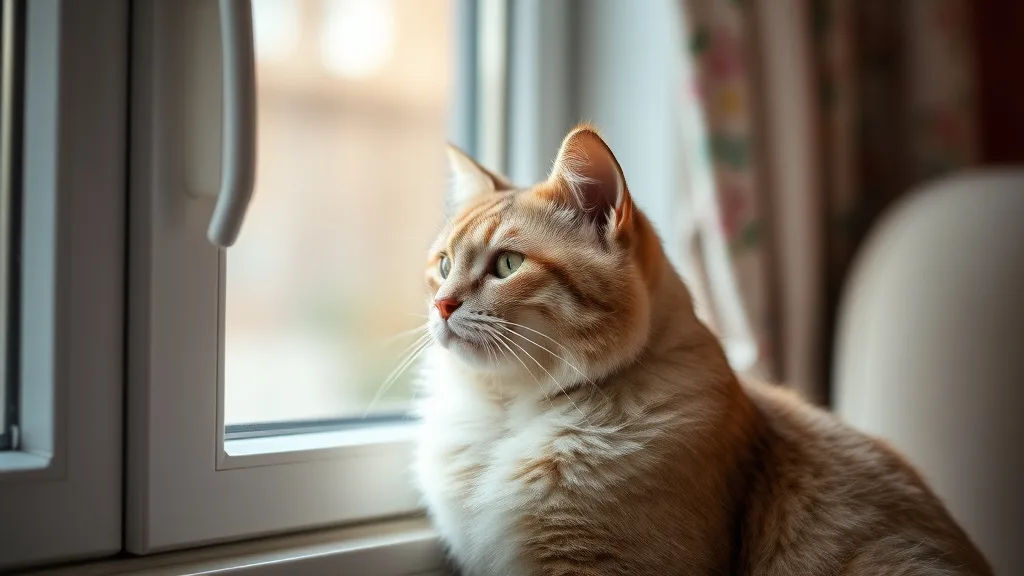
Caring for a cat aged ten or older is a unique challenge. As cats enter their senior years, their health needs change significantly — from kidney function to joint mobility, from stress management during vet visits to sensitive end-of-life considerations. Many owners face confusion about how to best support their aging feline companions, ensuring comfort and quality of life without unnecessary stress or expense. This article provides clear, practical vet care tips specifically for cats aged ten and older.
What Senior Cat Vet Care Involves
As cats age, underlying health conditions become more common, and their bodies respond differently to treatments and environments. The goal of senior cat vet care is to proactively manage health, reduce discomfort, and catch illness early through regular monitoring tailored to senior needs.
Key areas of focus include:
- Renal support: Kidney disease is prevalent in senior cats.
- Joint health: Arthritis and decreased mobility.
- Stress reduction: Anxiety related to vet visits.
- Litter box access: Adjusting for mobility or urinary issues.
- End-of-life comfort: Gentle care and honest planning.
See also: End-of-Life Planning Tips for Owners of Senior Silvertail Cats
How to Support Renal Health in Senior Cats
Kidney function gradually declines in many cats older than ten, leading to chronic kidney disease (CKD). Managing this early can slow progression and improve quality of life.
-
Dietary Adjustments
Renal-friendly nutrition features controlled protein, phosphorus, sodium, and increased moisture content. Specialized diets reduce kidney workload. -
Hydration Encouragement
Cats naturally have low thirst drive. Providing wet food, ample fresh water, or using water fountains encourages fluid intake, which supports kidney function. -
Regular Screening
Blood chemistry panels and urine tests every 6-12 months detect early kidney issues before symptoms appear.
How to Promote Joint Mobility
Arthritis and joint stiffness affect many senior cats, making it uncomfortable for them to jump, climb, or even move around the house.
- Weight Management: Maintaining an ideal weight reduces joint strain.
- Exercise and Enrichment: Gentle play stimulates mobility without overexertion.
- Pain Management: Some cats benefit from veterinarian-prescribed joint supplements or pain medications. Always get vet approval before starting anything.
- Environmental Modifications: Provide ramps, low-entry litter boxes, and accessible resting places.
Minimizing Stress During Vet Visits
Stress can cause senior cats to avoid vet visits entirely or exacerbate health problems through anxiety.
- Carrier Tips: Use a comfortable, familiar carrier, lined with a favorite blanket or clothing with your scent.
- Feliway/Calming Pheromones: Consider synthetic pheromone sprays in the carrier or exam room.
- Timing and Frequency: Schedule appointments during quiet hours to avoid crowded waiting rooms.
- Handling: Let the vet and staff handle your cat gently and minimize restraint.
Adjusting Litter Box Access for Senior Cats
Mobility and urinary health issues mean some senior cats struggle with traditional litter boxes.
- Low-Entry Boxes: Easier to step into and less painful for arthritic cats.
- Multiple Locations: Help your cat avoid long trips across the house.
- Absorbent, Kidney-Friendly Litters: Some cats prefer certain textures or scents, so observe preferences to reduce stress.
- Cleaning Frequency: Keep boxes clean to encourage regular use, reducing urinary tract infections risk.
Approaching End-of-Life Care with Honesty and Compassion
Discussing and planning for a cat’s final stage of life is difficult but vital.
- Quality of Life Assessments: Regular check-ins with your vet to assess pain, appetite, mobility, and happiness.
- Comfort Care Options: Pain management, hydration support, and creating a calm environment.
- Advance Planning: Talk through your wishes regarding euthanasia timing and methods when needed.
- Emotional Support: Seek community, counseling, or support groups for pet loss preparation and grieving.
Comparison Table: Renal-Friendly Diets vs Regular Senior Diets
| Feature | Renal-Friendly Diets | Regular Senior Diets | When to Use |
|---|---|---|---|
| Protein Content | Moderately restricted | Moderate to high | Cats with CKD or at risk |
| Phosphorus Levels | Reduced | Standard | Kidney disease management |
| Moisture Content | Higher (wet food preferred) | Moderate | Hydration focus |
| Sodium | Controlled | Standard | For blood pressure control |
| Cost | Often higher | Generally lower | Budget considerations |
| Palatability | Can be less appealing | Typically good | Cats with poor appetite |
Summary: Key Takeaways for Senior Cat Vet Care
- Prioritize routine vet visits with bloodwork and urine testing every 6-12 months.
- Transition to renal-friendly diets as needed, focusing on hydration and kidney support.
- Monitor joint health vigilantly; provide supplements and home modifications to ease mobility.
- Reduce stress during vet visits through preparation, calming aids, and quiet timing.
- Adjust litter box accessibility thoughtfully to accommodate decreasing mobility.
- Face end-of-life care decisions with care, focusing on comfort and quality of life.
Veterinary guidance tailored to senior cats can significantly extend happy years and reduce suffering. Early intervention, practical home support, and open communication with your vet make all the difference.
Frequently Asked Questions
Q: How often should senior cats have vet checkups?
A: Ideally, every 6 to 12 months. More frequent visits may be needed if your cat has chronic conditions or shows signs of illness.
Q: Can I give my senior cat supplements for joint pain without vet approval?
A: It’s best to consult your veterinarian before starting any supplements or medications because dosages and safety vary.
Q: What signs indicate it’s time to discuss end-of-life care?
A: Loss of appetite, severe mobility issues, chronic pain, behavioral changes, or inability to perform normal activities are red flags that merit a vet conversation on quality of life.
Our picks worth a closer look
- Longevity+ Dog Health Supplement - Dog Vitamins and Supplements for Joint, MusclCheck on Amazon → — see current price and specs.
- Неmp Oil for Dogs Cats (2 Packs), Organic Pet Calming Drops Anxiеty Relief & StrCheck on Amazon → — see current price and specs.
- Pawvotum Glucosamine for Cats, Pet vitamins and supplements with Chondroitin, MSCheck on Amazon → — see current price and specs.
- RiRywony Health 2 Pack Hemp Oil for Dogs & Cats- Helps Pets with Аnxiety, Pаin, Check on Amazon → — see current price and specs.
- 2-Pack Dog Ramp Stairs for Pets ups to 170lbs, Durable Anti-Slip Carpet Surface,Check on Amazon → — see current price and specs.