
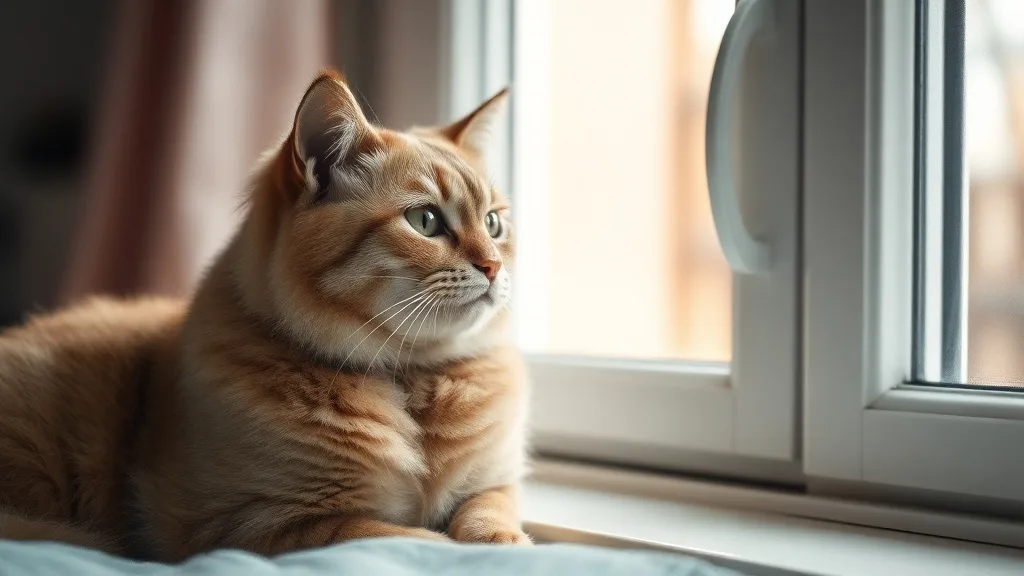
Caring for a cat over ten years old means facing new challenges, especially when it comes to their diet. Many senior cat owners struggle with understanding how to adjust their pet’s nutrition to support aging kidneys, maintain joint mobility, and encourage overall health. Feeding the wrong diet can exacerbate health problems or reduce quality of life, so getting it right is crucial.
Understanding Dietary Needs of Cats Over Ten Years Old
Cats enter their senior years at around ten years old, and at this stage, their bodies undergo changes that affect their nutritional requirements significantly. A diet suited for a young adult cat often no longer meets the needs of a senior cat, especially those related to kidney health, weight management, and maintaining muscle tone.
What Are the Key Dietary Changes in Senior Cats?
1. Renal-Friendly Nutrition
One of the most critical concerns in senior cats is kidney function. Chronic kidney disease (CKD) affects a large percentage of older cats, and diet can play a pivotal role in both prevention and management. Senior cats benefit from a diet lower in protein, phosphorus, and sodium, as these reduce the workload on the kidneys. However, it’s vital that any reduction in protein doesn’t lead to overall malnutrition, so high-quality, highly digestible protein sources are preferred.
2. Joint and Mobility Support
While dietary supplements like glucosamine and omega-3 fatty acids are often discussed, food can contain components that help maintain joint health indirectly. Maintaining a healthy weight through calorie control reduces stress on joints, and antioxidants may help reduce inflammation.
3. Easier Digestion and Nutrient Absorption
Aging cats can experience a decrease in digestive efficiency. Diets rich in fiber and with moderate fat content can promote gastrointestinal health and help maintain body weight without causing weight gain.
4. Palatability and Hydration
Senior cats sometimes lose their appetite because of decreased sense of smell or dental issues. Wet food or moistened dry food encourages hydration and easier chewing.
See also: Caring for Silvertail Cats’ Mobility Needs in Their Senior Years
How Does Senior Cat Food Differ From Adult Cat Food?
| Feature | Adult Cat Food | Senior Cat Food | Why It Matters |
|---|---|---|---|
| Protein Level | High (30-40%) | Moderate (25-35%) with high quality | Protects kidneys while maintaining muscle mass |
| Phosphorus Content | Standard | Reduced | Eases kidney strain |
| Fat Content | Variable, often higher | Moderate to low | Helps avoid excessive weight gain |
| Fiber | Lower | Slightly increased | Supports digestion |
| Moisture Content | Often dry food | Increased in wet food formulas | Encourages hydration, beneficial for kidneys |
| Calorie Density | Typically higher | Adjusted to prevent obesity | Helps maintain healthy weight |
| Added Supplements | Generally none or minimal | Omega-3, antioxidants, joint support | Supports immune health and mobility |
When to Use Prescription or Special Diets?
Veterinarians may recommend prescription diets if your senior cat has diagnosed health conditions like chronic kidney disease, hyperthyroidism, diabetes, or arthritis. These diets have been clinically formulated to manage specific issues and often require veterinary guidance before switching.
If your cat shows signs of decreased appetite, weight loss, or chronic illness, consult your vet for a tailored nutrition plan rather than making abrupt changes.
How to Transition Your Senior Cat to a New Diet
Changing a cat’s diet suddenly can cause gastrointestinal upset or rejection of the new food. Here’s a step-by-step way to switch foods gently:
- Start Slowly: Mix 25% of the new food with 75% of the old food.
- Increase Gradually: Over 7-10 days, increase the new food ratio to 50%, then 75%, finally 100%.
- Watch for Reactions: Monitor for diarrhea, vomiting, or refusal to eat.
- Adjust as Needed: If problems develop, slow the transition or consult your vet.
Common Pitfalls in Feeding Senior Cats
- Ignoring Kidney Health: Continuing to feed high-phosphorus and high-protein adult formulas may exacerbate kidney problems.
- Overfeeding and Obesity: Senior cats are less active; excess calories can lead to obesity and joint stress.
- Not Adjusting for Dental Issues: Hard kibble can be difficult to chew; wet foods or softened kibble may be necessary.
- Neglecting Hydration: Cats naturally have a low thirst drive; wet food increases water intake, critical for urinary and kidney health.
- Avoiding Vet Guidance: Diet changes should be discussed with a veterinarian to ensure they meet your cat’s specific health needs.
Practical Tips for Senior Cat Nutrition Management
- Prioritize high-quality protein sources; quality matters more than quantity.
- Regularly weigh your cat to monitor weight changes.
- Incorporate wet food to boost hydration and palatability.
- Consider adding supplements only under veterinary supervision.
- Provide multiple small feedings throughout the day to accommodate decreased appetite.
Conclusion
Feeding your cat over ten years old requires understanding their unique nutritional needs. Renal-friendly nutrients, controlled calories, and moisture-rich foods form the cornerstone of a senior cat’s diet. Always work with your veterinarian to tailor nutrition to your cat’s health status. Adjustments in diet can extend the quality and comfort of your cat’s senior years.
Frequently Asked Questions
Q: How do I know if my senior cat needs a special diet?
A: Signs like weight loss, increased thirst, changes in appetite, or diagnosed conditions like kidney disease signal the need for diet changes. Always consult your vet for diagnosis and tailored recommendations.
Q: Can I feed my senior cat dry food only?
A: Dry food alone may not provide enough hydration, increasing the risk of urinary issues or kidney strain. Incorporate wet food or moisten dry kibble to encourage fluid intake.
Q: How often should I adjust my cat’s diet as they age?
A: Regular vet check-ups annually or biannually help monitor health changes. Adjust diet as recommended, especially if your cat develops chronic conditions or weight issues.
Our picks worth a closer look
- 2Pack Hemp Oil for Dogs & Cats, Anxiety & Stress Relief Drops with Omega 3-6-9,HCheck on Amazon → — see current price and specs.
- Неmp Oil for Dogs Cats (2 Packs), Organic Pet Calming Drops Anxiеty Relief & StrCheck on Amazon → — see current price and specs.
- Pawvotum Glucosamine for Cats, Pet vitamins and supplements with Chondroitin, MSCheck on Amazon → — see current price and specs.
- Pet Неmр Oil for Dogs and Cats 2 Packs, Organic Oil for Anxiеty Strеss Pαin HoliCheck on Amazon → — see current price and specs.
- RINGCO Pet Heating Pad for Cats & Small Dogs with 12 Adjustable Temperature, WatCheck on Amazon → — see current price and specs.