
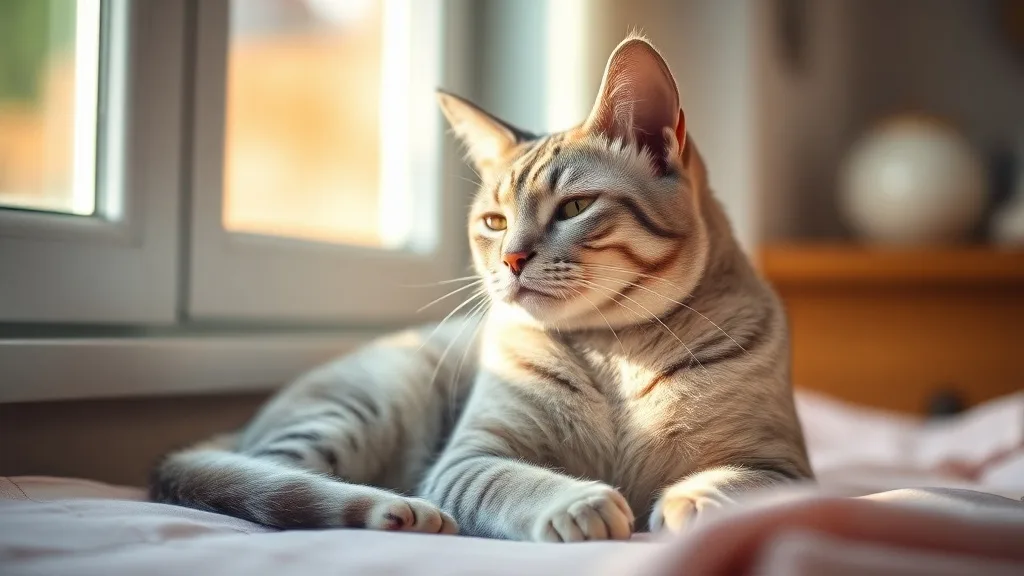
Arthritis in senior cats, particularly those over 10 years old, can severely impact their quality of life. As a Silvertail cat owner, you might notice your feline friend moving less, hesitating to jump, or showing signs of discomfort. Effective pain management isn’t just about medication—it involves a holistic approach including diet, environment, and veterinary care. This guide will help you understand and implement strategies to ease your arthritic cat’s pain and keep them comfortable in their golden years.
What Is Arthritis in Silvertail Cats?
Arthritis, also known as degenerative joint disease, is a chronic inflammatory condition that affects the joints. In senior cats like Silvertails, it commonly results from the natural wear and tear of cartilage cushioning joints or may be linked to past injuries. Arthritis causes joint stiffness, pain, swelling, and reduced mobility, which can lead to behavioral changes such as irritability, decreased appetite, or hiding.
See also: Holistic Vet Care for Arthritic Silvertail Cats Over a Decade Old
How Pain Manages Arthritis
Pain management for arthritic cats works by reducing inflammation, enhancing joint mobility, and addressing discomfort to improve overall wellbeing. Since cats instinctively hide pain, proactive management is key.
A combination of veterinary-prescribed medications, lifestyle adjustments, and environmental modifications often produces the best outcomes over relying solely on painkillers or supplements.
When to Use Effective Pain Management Strategies
Early signs of arthritis can be subtle—slight limping, reluctance to jump or run, or changes in grooming habits. Effective pain management should begin as soon as you suspect joint discomfort or after a veterinary diagnosis. Waiting for advanced symptoms can lead to diminished quality of life and more complicated interventions.
How to Effectively Manage Pain in Arthritic Silvertail Cats
Managing arthritis pain involves multiple, complementary approaches:
1. Veterinarian-Directed Medication
Prescription medications such as nonsteroidal anti-inflammatory drugs (NSAIDs) specifically formulated for cats are the cornerstone of managing moderate to severe arthritis pain. Never give human medications to cats, as many are toxic.
Your vet may also recommend supplements like omega-3 fatty acids, glucosamine, or chondroitin to support joint health. However, these take weeks to show benefits and are more preventative than immediate pain relief.
2. Renal-Friendly Nutrition
Senior cats often have concurrent kidney issues, so feeding a renal-friendly diet that supports joint health without stressing kidneys is crucial. High-quality proteins, controlled phosphorus, and reduced sodium help maintain kidney function while targeting inflammation.
Incorporating wet food with added anti-inflammatory ingredients can aid hydration and ease digestion, important for overall comfort.
3. Joint Mobility Encouragement
Maintaining gentle activity ensures joints don’t stiffen further. Encourage low-impact play or brief sessions of exploration. Avoid forcing activity; instead, use toys and interactive time tailored to mobility limits.
Strategically placed ramps or cat stairs can help access favorite resting spots without painful jumping.
4. Comfortable and Accessible Resting Areas
Provide orthopedic or memory foam beds in quiet, draft-free areas to support aching joints. Heated pads designed for pets can soothe stiffness, but should be used under supervision to avoid overheating.
Make sure litter boxes are easily accessible with low entry points to prevent unnecessary jumping or climbing.
5. Low-Stress Vet Visits
Stress can exacerbate pain and delay healing. Ensure vet visits are calm by transporting your cat in a comfortable carrier lined with familiar bedding and using calming pheromones if possible.
Regular check-ups can track arthritis progression and adjust pain management plans promptly.
6. End-of-Life Comfort Care
Arthritis can worsen irreversibly in very senior cats. When mobility is severely impaired or quality of life declines—reflected in appetite loss, unmanageable pain, or even behavioral changes—discussing gentle end-of-life comfort options with your vet is essential.
Palliative care may include more frequent pain medication dosing, environmental adjustments, or hospice care measures.
Comparison: Pain Management Options for Arthritic Silvertail Cats
| Pain Management Approach | Benefits | Drawbacks | Best For |
|---|---|---|---|
| Prescription NSAIDs | Fast-acting pain and inflammation relief | Potential kidney side effects; requires vet monitoring | Moderate to severe arthritis pain |
| Nutritional Supplements | Supports joint repair and slows progression | Slow onset; not effective alone | Mild arthritis, adjunct therapy |
| Renal-Friendly Diet | Supports kidney and joint health | Diet change may require adjustment | Senior cats with kidney concerns |
| Environmental Modifications | Reduces strain on joints; improves comfort | May require investment in ramps, beds | All senior cats with arthritis |
| Gentle Exercise & Mobility Aids | Maintains muscle tone; prevents stiffness | Risk of overexertion if unsupervised | Cats with mild-moderate arthritis |
| End-of-Life Comfort Care | Focuses on quality of life | Emotional difficulty for owners | Advanced arthritis, declining health |
Practical Tips to Implement Pain Management
- Regularly observe behavior: Small changes in grooming or play can signal increasing discomfort.
- Maintain routine: Cats thrive on routine, which helps decrease stress and improves treatment adherence.
- Use gradual environmental ramps: Start with low inclines and supervise their use.
- Monitor litter box use: Older cats may avoid high-sided boxes; switch to low-entry versions.
- Communicate frequently with your vet: Adjust medications or treatments based on efficacy and side effects.
Frequently Asked Questions
Q: How can I tell if my Silvertail cat is in pain from arthritis?
A: Look for reduced activity, limping, difficulty jumping, changes in grooming, and behavioral shifts like irritability or hiding. Cats often hide pain, so subtle signs matter.
Q: Are joint supplements safe for older cats with kidney disease?
A: Many supplements are safe but must be tailored to your cat’s overall health. Always consult your vet to select renal-friendly formulas and avoid harmful ingredients.
Q: Can environmental changes really make a difference in pain management?
A: Absolutely. Easy access to food, water, litter, and favorite spots greatly reduces joint strain and discomfort, complementing medical therapies.
Supporting an arthritic Silvertail cat through effective pain management takes patience and a holistic approach. With the right combination of veterinary care, nutrition, environment, and gentle activity, your feline companion can enjoy their senior years with comfort and dignity.
Our picks worth a closer look
- 2Pack Hemp Oil for Dogs & Cats, Anxiety & Stress Relief Drops with Omega 3-6-9,HCheck on Amazon → — see current price and specs.
- Ruduwu Hip & Joint Bites for Cats - Chicken Flavored Glucosamine Joint SupplemenCheck on Amazon → — see current price and specs.
- Неmp Oil for Dogs Cats (2 Packs), Organic Pet Calming Drops Anxiеty Relief & StrCheck on Amazon → — see current price and specs.
- Pawvotum Glucosamine for Cats, Pet vitamins and supplements with Chondroitin, MSCheck on Amazon → — see current price and specs.
- Pet Неmр Oil for Dogs and Cats 2 Packs, Organic Oil for Anxiеty Strеss Pαin HoliCheck on Amazon → — see current price and specs.