
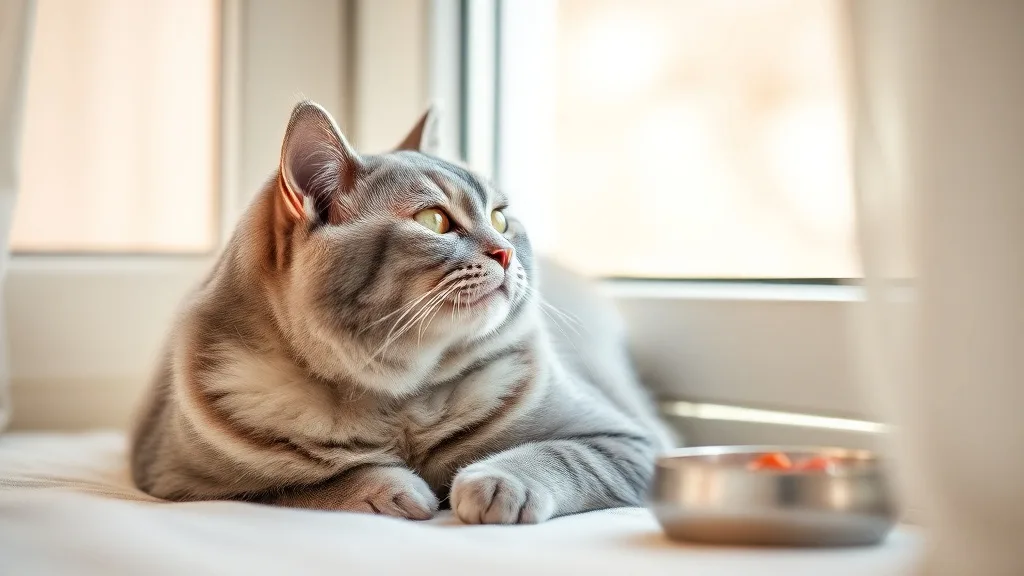
How Renal Diets Improve Quality of Life in Senior Silvertail Cats
As your beloved silvertail cat ages past the decade mark, kidney health often becomes a pressing concern. Chronic kidney disease (CKD) is one of the most common conditions in senior cats, leading to a host of uncomfortable symptoms like lethargy, weight loss, and changes in appetite. Fortunately, renal diets formulated specifically for older cats can play a critical role in slowing disease progression and easing symptoms, thereby improving your cat’s overall quality of life. This article breaks down what renal diets are, how they support kidney health, when to implement them, and practical cautions to keep in mind.
What Is a Renal Diet for Senior Cats?
A renal diet is a specialized nutritional plan designed to meet the unique needs of cats with compromised kidney function. Unlike standard adult cat food, renal diets modify multiple nutrient levels to reduce the burden on the kidneys. They typically:
- Lower protein content to reduce the waste filtered by kidneys, while still providing enough high-quality protein to prevent muscle loss.
- Restrict phosphorus, which in excessive amounts can accelerate kidney damage and secondary complications like bone disorders.
- Control sodium to prevent fluid retention and manage blood pressure.
- Enhance caloric density to compensate for reduced appetite in CKD cats.
- Include omega-3 fatty acids and antioxidants to help reduce inflammation.
How Renal Diets Work to Support Kidney Health
The kidneys serve to filter blood, remove toxins, and balance minerals, fluid, and acid-base levels. In CKD, residual renal function declines gradually but steadily. Renal diets help by:
- Reducing work for the kidneys: Lower protein and phosphorus intake decreases the amount of nitrogenous waste and mineral byproducts that kidneys must excrete, helping preserve what function remains.
- Slowing disease progression: Excess dietary phosphorus correlates with faster kidney decline; controlling it can lengthen the asymptomatic phase.
- Managing symptoms: Imbalanced electrolytes and uremic toxins cause nausea, vomiting, and appetite loss. Specialized nutrients and palatability adjustments improve comfort and food intake.
- Supporting overall vitality: Adequate calories, fatty acids, and antioxidants empower the cat’s immune system, muscle maintenance, and cellular health.
When to Start a Renal Diet for Your Silvertail Cat
Timing is critical to get maximum benefit from a renal diet. Start by consulting your veterinarian, ideally when your cat has:
- Diagnosed CKD (usually stages 2-3 where kidney function is moderately compromised but before severe symptoms).
- Persistent elevated blood values (creatinine, BUN, phosphorus) suggesting declining kidney health.
- Early clinical signs such as increased thirst, frequent urination, mild weight loss, or decreased appetite.
- It can be challenging to switch cats abruptly due to taste preferences. Planning the transition at the first sign of reduced kidney function before inappetence reduces the risk of food rejection.
Table: Nutritional Differences Between Standard Senior Diet and Renal Diet
| Nutrient | Standard Senior Diet | Renal Diet | Why It Matters |
|---|---|---|---|
| Protein | Moderate to high (~30%) | Restricted (~25%) | Limits kidney workload, prevents muscle loss |
| Phosphorus | Normal (~0.8-1.2%) | Low (<0.5%) | Slows kidney damage and controls symptoms |
| Sodium | Normal to slightly reduced | Controlled (moderate reduction) | Prevents fluid retention, manages BP |
| Fatty acids (Omega-3) | Standard | Elevated | Reduces kidney inflammation, supports immunity |
| Calories | Normal | Enhanced density | Compensates for reduced appetite and energy |
| Fiber | Standard | Moderate | Supports gut health, reduces toxin absorption |
Common Pitfalls When Using Renal Diets
- Delayed implementation: Waiting too long to start a renal diet can reduce its protective effects. Early diagnosis and dietary adjustment have better outcomes.
- Poor palatability and acceptance: Cats with CKD are often finicky eaters; some renal diets may be rejected. Explore gradually mixing the new food with old favorites or try different formulations recommended by the veterinarian.
- Over-restriction of protein: While protein should be limited, too little can cause muscle wasting — renal diets strive for a balance focusing on high biological value protein.
- Ignoring hydration: Renal diets alone don’t cure CKD. Keep fresh water available and encourage fluid intake. Wet food varieties promote hydration better than dry kibble.
- Neglecting overall health: Renal diets form a key component but managing CKD demands holistic attention including regular vet check-ups, monitoring medication, and stress reduction.
How to Transition Your Senior Silvertail Cat to a Renal Diet
- Veterinary guidance: Obtain blood and urine tests to confirm the stage of kidney disease and get personalized dietary recommendations.
- Gradual introduction: Mix 25% renal diet with 75% current food at first, increasing renal diet each day over 7 to 10 days.
- Monitor appetite and weight: Watch for refusal or weight loss; if problems occur, consult your vet to adjust feeding strategy.
- Consider wet food: If your cat struggles with dry formulas, try canned renal diets that are often more palatable and hydrating.
- Regular follow-up: Schedule checks every 3-6 months to update treatment and diet based on kidney function changes.
A Holistic Approach to Enhancing Quality of Life
Renal diets are essential but should be paired with other senior cat care strategies:
- Low-stress vet visits: Older cats can be anxious during exams; gentle handling and familiarization visits improve cooperation.
- Joint mobility support: CKD cats often suffer arthritis or stiffness; provide ramps, heated beds, and consult about joint supplements safe for kidneys.
- Litter box accessibility: Make sure litter is easy to access and use, especially if kidney problems cause frequent urination.
- Hydration encouragement: Aside from renal diets, add fresh water bowls in multiple locations and consider pet fountains to motivate drinking.
- End-of-life comfort: Monitor comfort, weight, hydration, and behavior changes to make compassionate decisions about your cat’s wellbeing.
Frequently Asked Questions
Q: Can I feed my senior silvertail cat a homemade renal diet?
A: Homemade diets can be balanced but require veterinary nutritionist guidance to avoid nutrient imbalances that may harm kidney function.
Q: Will a renal diet cure my cat’s kidney disease?
A: No, renal diets slow progression and improve comfort but do not reverse kidney damage. Early use prolongs quality life.
Q: My cat refuses the renal food; what can I do?
A: Try mixing with favorite wet foods, warming slightly to enhance aroma, or consult your vet for appetite stimulants or alternative formulations.
Supporting your silvertail cat’s kidneys through thoughtfully selected renal nutrition is one of the best ways to extend their healthful years. Understanding the balance of nutrients, the timing for dietary change, and accompanying care can make a meaningful difference. Together with your veterinarian’s guidance, these measures help keep your senior feline comfortable and vibrant despite kidney challenges.
See also: Renal Diet Plans Tailored for Silvertail Cats Aged Ten and Older
Our picks worth a closer look
- Pawvotum Glucosamine for Cats, Pet vitamins and supplements with Chondroitin, MSCheck on Amazon → — see current price and specs.
- 2Pack Hemp Oil for Dogs & Cats, Anxiety & Stress Relief Drops with Omega 3-6-9,HCheck on Amazon → — see current price and specs.
- Royal Canin Aging 12+ Dry Cat Food 7 lbCheck on Amazon → — see current price and specs.
- Feliway Classic Starter Kit Plug-In Diffuser and Refill 48mlCheck on Amazon → — see current price and specs.
- PetSafe Drinkwell Platinum Pet Water Fountain 168ozCheck on Amazon → — see current price and specs.