
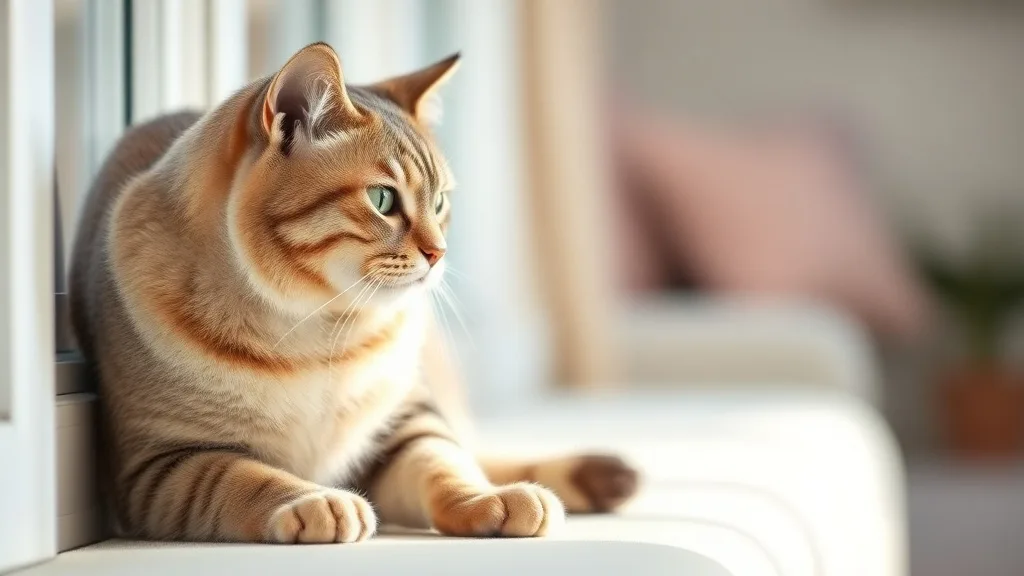
How to Manage Arthritis in Aging Cats for Better Mobility
If you have a senior cat over 10 years old who seems less active, reluctant to jump, or stiff after resting, your feline friend may be struggling with arthritis. This common but often overlooked condition can seriously reduce a cat’s quality of life by limiting their mobility and causing pain. Managing arthritis in aging cats takes a holistic approach that includes nutrition, environment adjustments, joint care, and stress reduction. This guide will walk you through the best ways to help your senior cat move comfortably and enjoy their golden years.
See also: Managing Arthritis in Silvertail Cats Aged 10+ Through Vet Care
What Is Arthritis in Cats?
Arthritis, also called osteoarthritis or degenerative joint disease, is the breakdown of cartilage protecting the joints. As this cartilage erodes, bones may rub against one another, causing pain, inflammation, and stiffness. In cats, arthritis is largely underdiagnosed because they often mask pain and tend to slow down naturally with age.
Common Signs of Arthritis in Cats
- Decreased activity or reluctance to jump/climb
- Limping or subtle changes in gait
- Stiffness, especially after resting or sleeping
- Difficulty using litter boxes with high sides
- Grooming less frequently or missing spots
- Irritability when touched or picked up
If you notice these signs, a veterinary assessment is essential for diagnosis and to develop a pain management plan.
How Arthritis Affects Mobility in Senior Cats
Arthritis impacts both large and small joints, reducing flexibility and causing discomfort. Cats rely heavily on mobility to express natural behaviors like stretching, climbing, jumping, and grooming. When arthritis limits these actions, it not only affects physical health but can also reduce happiness and lead to other issues like weight gain or muscle loss.
Key challenges include:
- Difficulty jumping onto favorite resting spots such as couches or windowsills.
- Avoidance of litter boxes that require stepping into or climbing.
- Lower motivation for physical activity, which may cause muscle atrophy.
- Increased stress due to pain and frustration.
How to Manage Arthritis for Better Mobility: Step-by-Step
Managing arthritis in cats requires a combination of veterinary treatment and practical home strategies. Here’s a step-by-step approach to ease your cat’s discomfort and improve movement.
1. Get a Veterinary Diagnosis and Pain Management Plan
The first and most important step is to consult your veterinarian for a thorough examination. They may recommend X-rays or other imaging to assess joint health. Based on this, your vet can suggest:
- Prescription pain relievers or anti-inflammatory medications tailored to cats.
- Joint supplements containing glucosamine, chondroitin, or omega-3 fatty acids.
- Weight management plans if your cat is overweight, as excess weight worsens joint stress.
Never give your cat over-the-counter human pain meds, as many are toxic to cats.
2. Provide Renal-Friendly Nutrition with Joint Support
As many senior cats also face kidney issues, it’s critical to balance arthritis-friendly nutrition with kidney health. Look for senior cat foods that:
- Are low in phosphorus and moderate in protein to support kidneys.
- Contain supplements that promote joint health (like omega-3s).
- Support overall vitality without promoting weight gain.
If your cat needs multiple dietary considerations, discuss tailored options with your vet or a veterinary nutritionist.
3. Create a Low-Stress, Accessible Environment
Cats with arthritis benefit immensely from a home that minimizes strain and frustration. Simple environmental changes include:
- Providing ramps or stairs to favorite elevated spots.
- Switching to litter boxes with low sides for easier entry and exit.
- Placing multiple litter boxes around the home to reduce the need for long-distance travel.
- Offering orthopedic or memory foam beds that cushion painful joints.
- Keeping food and water bowls at accessible heights to avoid strain.
Reducing stress during vet visits is also key. Ask your vet about options like:
- Gentle handling techniques.
- Treats and toys to distract during exams.
- Scheduling appointments during quieter hours.
4. Encourage Gentle, Regular Exercise
Maintaining muscle tone and joint flexibility is important. Introduce low-impact play designed for older cats:
- Use interactive toys that encourage movement without jumping.
- Try gentle stretching exercises recommended by your vet or physical therapist.
- Engage in short play sessions multiple times a day to avoid exhaustion.
Avoid forcing your cat into activities; observe their comfort level closely.
5. Monitor and Adjust Treatment Over Time
Arthritis is a progressive condition. Keep track of your cat’s mobility and comfort using a pain diary or app:
- Note changes in activity, litter habits, or grooming.
- Communicate regularly with your vet to adjust medications or treatments.
- Consider therapies like acupuncture or laser treatment if recommended.
Early intervention and ongoing management maximize quality of life.
Arthritis Joint Supplement Comparison Table
Here’s a simplified comparison of common joint supplement types to help you discuss options with your vet:
| Supplement Type | Key Ingredients | Benefits | When to Use | Considerations |
|---|---|---|---|---|
| Glucosamine & Chondroitin | Derived from shellfish or synthetic | Supports cartilage repair | Mild to moderate arthritis | May take weeks for effect; monitor for allergies |
| Omega-3 Fatty Acids | Fish oil or algal oil | Reduces inflammation | All stages of arthritis | Can support renal health if balanced properly |
| Green-Lipped Mussel | Naturally sourced marine extract | Anti-inflammatory, joint lubrication | Moderate arthritis | Limited studies; watch for shellfish allergies |
| Hyaluronic Acid | Synovial fluid component | Improves joint lubrication | Severe arthritis or after injury | Often given by injection; consult vet |
Always consult your veterinarian before starting any new supplement to ensure safety and appropriateness.
Common Pitfalls to Avoid
- Ignoring Early Signs: Small changes in activity or litter box use can be early arthritis indicators. Don’t wait until the cat is visibly limping.
- Overmedication or Self-Medication: Only use veterinary-approved medications. Cats are sensitive to many human drugs.
- Neglecting Environment: A home set-up that forces jumping or long walks can worsen pain and discourage movement.
- Inconsistent Monitoring: Arthritis symptoms can fluctuate; regular check-ins and adjustments improve outcomes.
- Stressful Vet Visits: Anxiety exacerbates pain perception. Work with your vet to reduce visit-related stress.
Frequently Asked Questions
Q: Can arthritis in cats be cured?
A: Arthritis is a chronic, progressive condition with no cure. However, with proper management, cats can experience significant relief and maintain good mobility.
Q: Are all joint supplements safe for cats with kidney disease?
A: Not all supplements are appropriate for cats with renal issues. Always discuss supplements with your vet to ensure they align with your cat’s kidney-friendly diet.
Q: How can I tell if my cat is in pain from arthritis?
A: Cats often hide pain, but signs include reduced activity, slower movements, decreased grooming, and irritability. A vet can perform specific pain assessments.
Managing arthritis in senior cats is a blend of veterinary care, diet, environment, and regular monitoring. With thoughtful adjustments, you can help your aging companion maintain better mobility and enjoy a more comfortable, active life.
Our picks worth a closer look
- Pawvotum Glucosamine for Cats, Pet vitamins and supplements with Chondroitin, MSCheck on Amazon → — see current price and specs.
- 2Pack Hemp Oil for Dogs & Cats, Anxiety & Stress Relief Drops with Omega 3-6-9,HCheck on Amazon → — see current price and specs.
- Royal Canin Aging 12+ Dry Cat Food 7 lbCheck on Amazon → — see current price and specs.
- Неmp Oil for Dogs Cats (2 Packs), Organic Pet Calming Drops Anxiеty Relief & StrCheck on Amazon → — see current price and specs.
- Pet Неmр Oil for Dogs and Cats 2 Packs, Organic Oil for Anxiеty Strеss Pαin HoliCheck on Amazon → — see current price and specs.